Environment
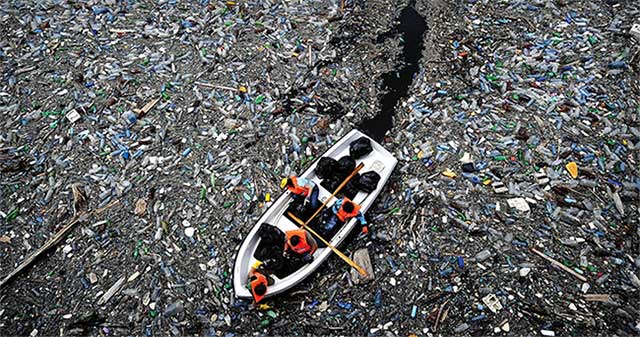
Even if humanity becomes extinct, these three traces of humanity will still exist almost forever!
Human extinction is a fantasy, but the traces humans leave behind are not.
Browse ScienceInfo articles and explainers related to Plastic Waste.
119 published items.
Human extinction is a fantasy, but the traces humans leave behind are not.
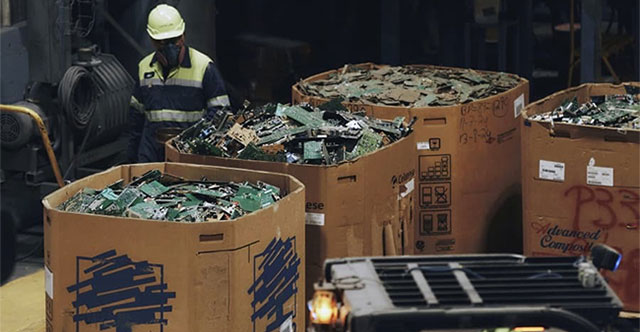
A 97-year-old mining company is turning what would otherwise be discarded in drawers and landfills into a precious material the world needs.

ICIPE scientists have discovered that the larvae of a beetle species, scientifically known as Alphitobius, are capable of consuming plastic - a global environmental poll…
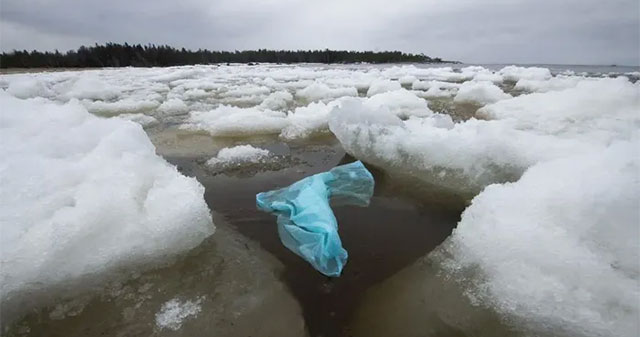
The volume of plastic waste globally has doubled in 20 years, from 156 million tons in 2000 to 353 million tons in 2019 and is expected to nearly triple to more than 1 b…

Bel Albatros, a company in Brussels (Belgium), is pioneering the conversion of plastic waste into recycled materials to produce new items.
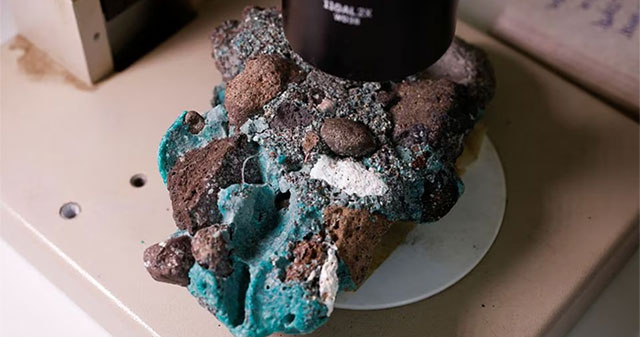
Scientists in Brazil have discovered rocks mixed with plastic on the volcanic island of Trindade.
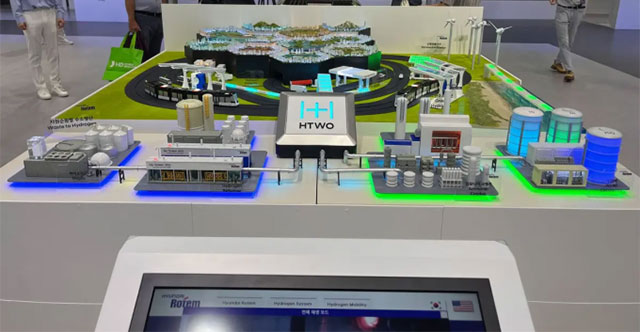
Hyundai Engineering's new facility is expected to be able to utilize organic waste and plastic waste to produce 30,000 tons of hydrogen per year.
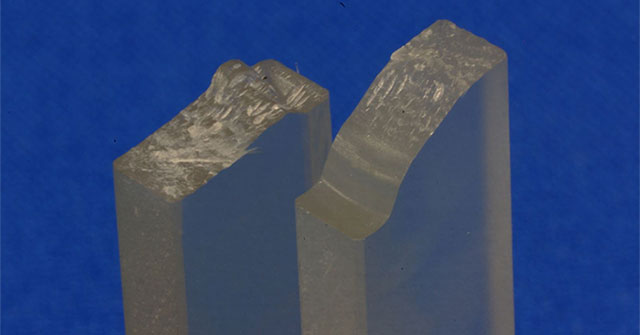
A group of Japanese researchers on April 10 announced that they had developed a new type of bioplastic that is not only durable but also decomposes quickly in seawater a…
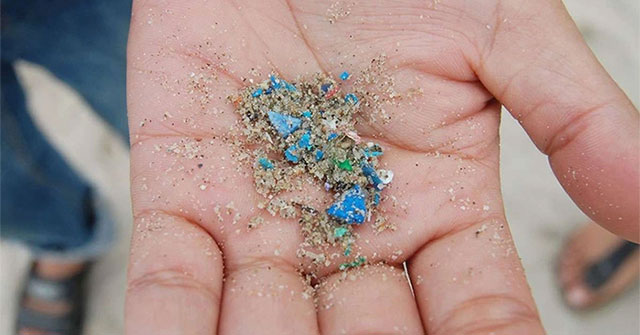
A laboratory study shows that microplastics can persist during cell division and contribute to the spread of cancer when they are in tumors.

With plastic waste on the rise around the world, Buthelezi is using her work to bring attention to and combat the problem.
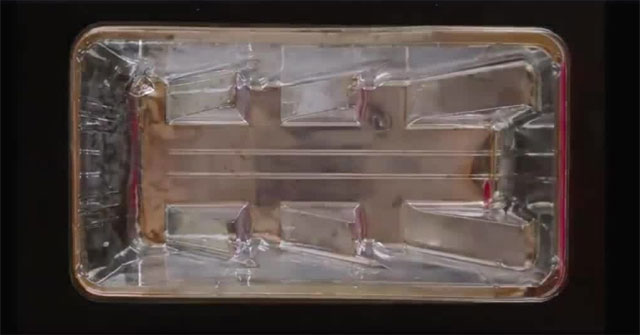
The team at the University of Texas developed an enzyme that effectively degrades PET plastic at temperatures of 30 - 50 degrees Celsius and a variety of pH levels.
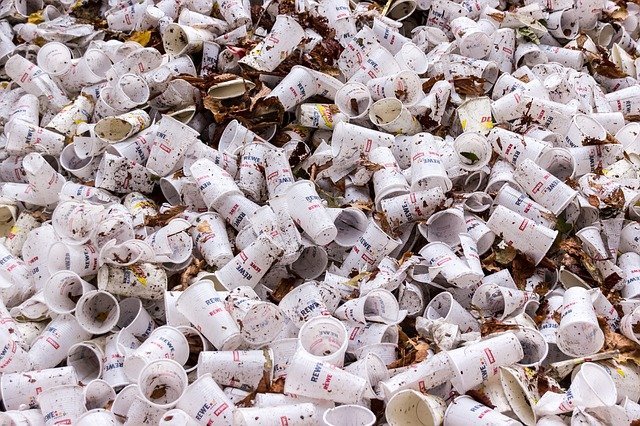
Plastic is almost everywhere in life, and you can even chew it every day like gum. How serious is the problem of plastic waste?
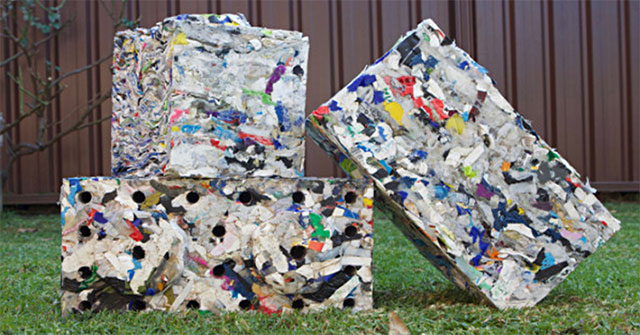
American startup ByFusion proposes an effective recycling solution to help reduce plastic pollution in the world.

New NASA graphic shows the path of microplastics around the oceans across the Earth's surface.
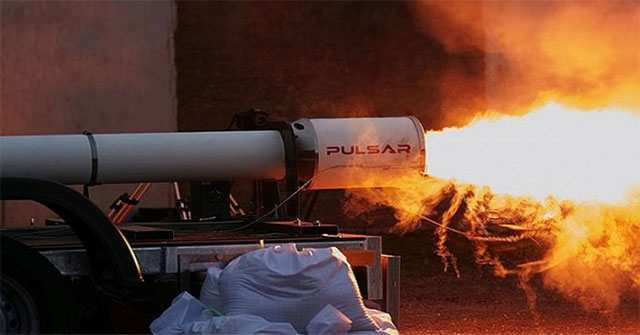
Pulsar Fusion is developing and testing rocket engines powered by compounds found in recycled plastic waste.