Environment
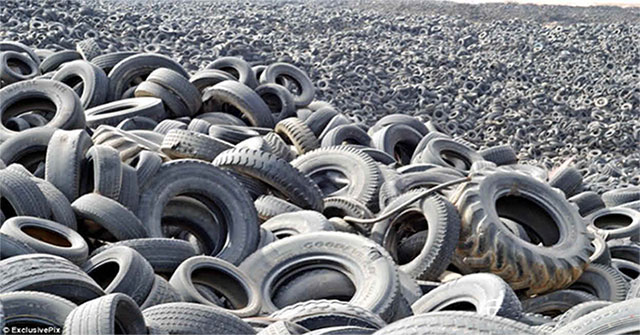
Tires cause pollution in the sea - little is known
Tires are made of natural rubber and rubber, so it is unlikely that it will be the culprit for spreading 28% of the total amount of micro-particles into the ocean, contr…
Browse ScienceInfo articles and explainers related to Plastic.
805 published items.
Tires are made of natural rubber and rubber, so it is unlikely that it will be the culprit for spreading 28% of the total amount of micro-particles into the ocean, contr…
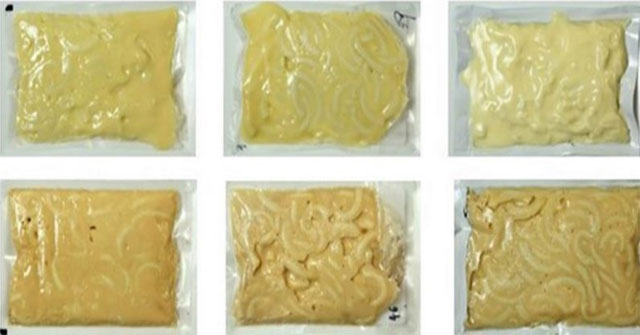
Scientists have developed a new packaging method that allows for extended shelf life of food up to three times the normal shelf life.
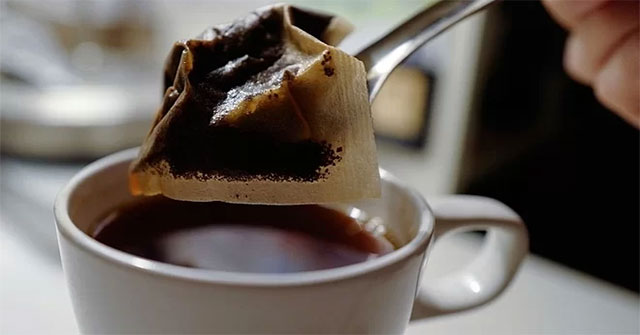
When drinking a cup of tea, the amount of plastic particles in the body 200,000 times the total amount of micro plastic a person consumes each year.
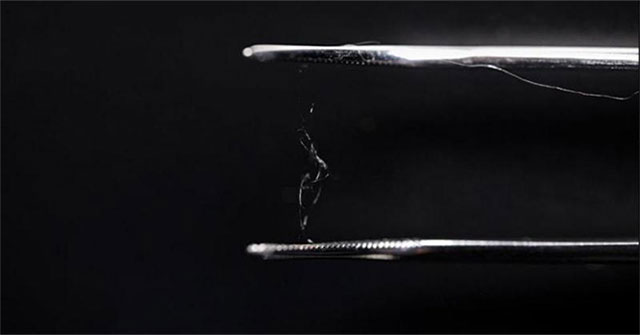
Scientists have created a new material combining silk and wood pulp that has similar properties to plastic, but is biodegradable and environmentally friendly.
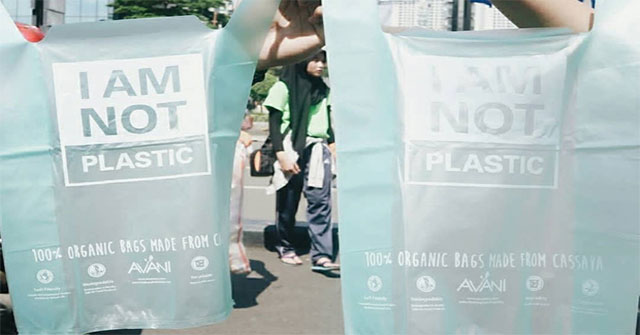
If sea creatures eat this bag, they are ... okay, even fat.
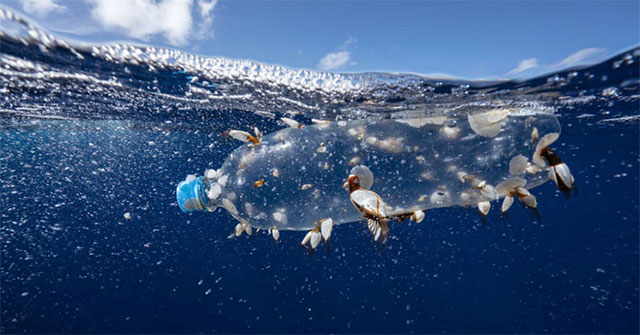
People of this era not only store history lists, but the amount of plastic we emit will remain forever.
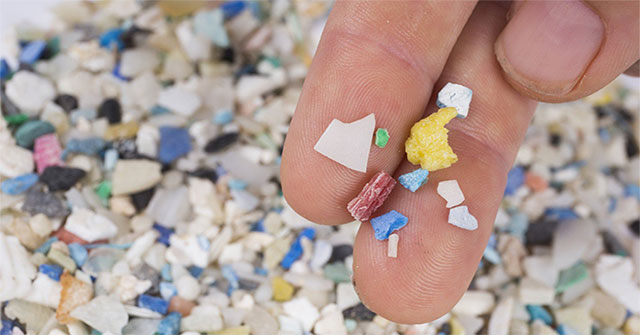
About 73,000 small pieces of plastic enter the human body through food, drinks and breathing, carrying pathogenic bacteria and causing antibiotic resistance.
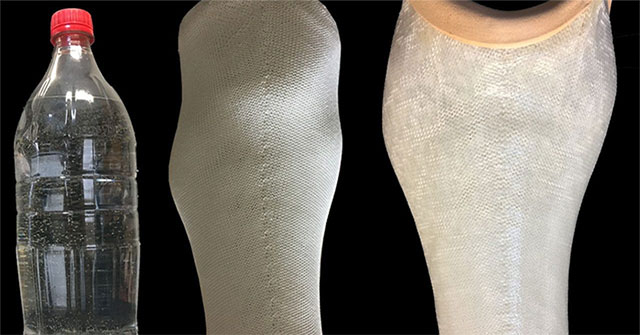
Turning plastic bottles into arms and legs for people with disabilities promises to be a breakthrough in the reuse of plastic products and practical support for life.

This strange phenomenon is quite common when many Vietnamese netizens and the world have encountered it while still in school. So where is the cause?
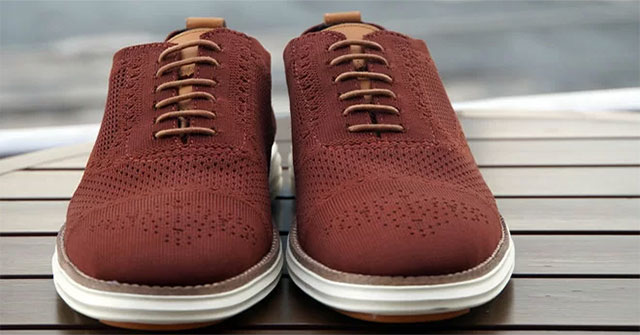
Each pair of shoes is made from 3 cups of coffee grounds and 12 plastic cups, capable of waterproofing, deodorizing and blocking UV rays.
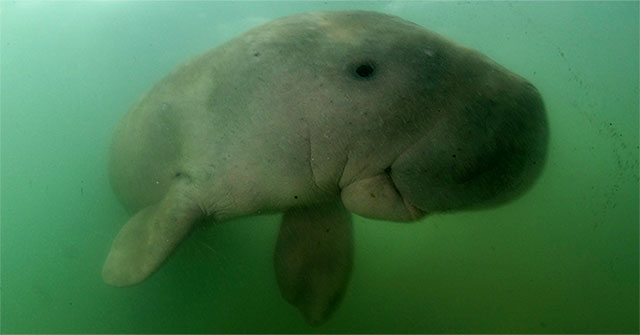
A baby bull (bighead) is very popular with Thai people who have died from a serious infection that is caused by a blockage of plastic waste in the stomach.
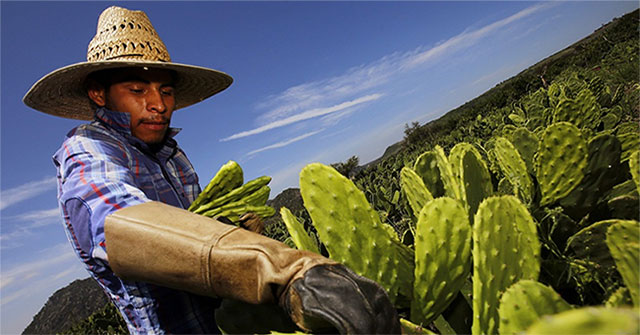
A Mexican researcher has found a formula for developing new packaging materials from cactus. This initiative suggests a promising solution to tackle the current headache…
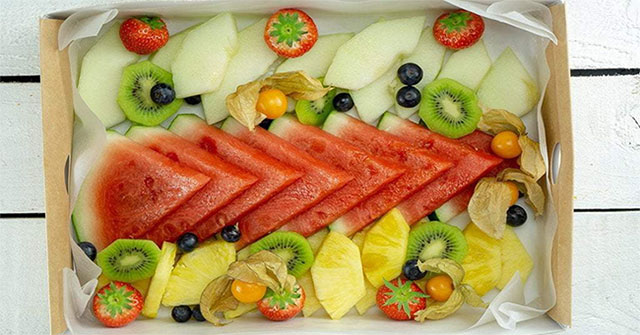
Fresh vegetables are often not kept for a long time but if you know how to preserve them, you can
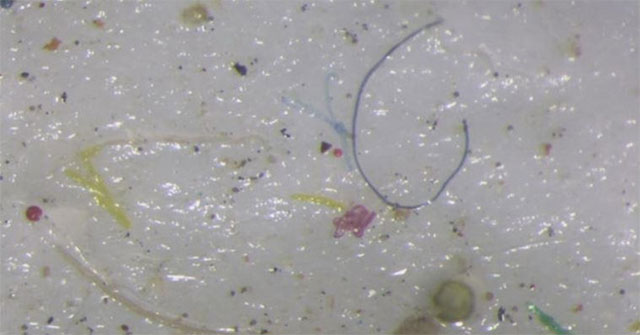
Tiny pieces of plastic have been found in ice cores drilled in the Arctic, indicating increasing pollution for marine life in even the most remote waters of the planet.

Scientists make micro-coils from carbon, nitrogen and manganese, capable of producing chemical reactions that dissolve micro-plastic particles.