New technology
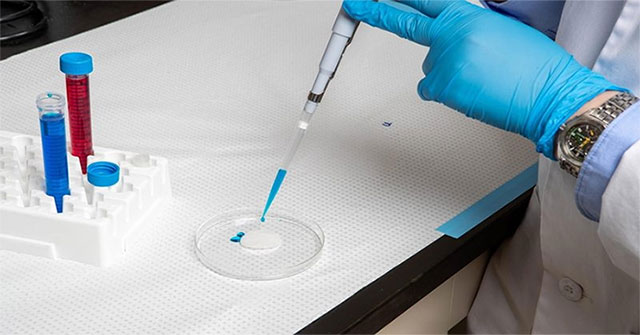
Successful non-stick coating repels all bacteria
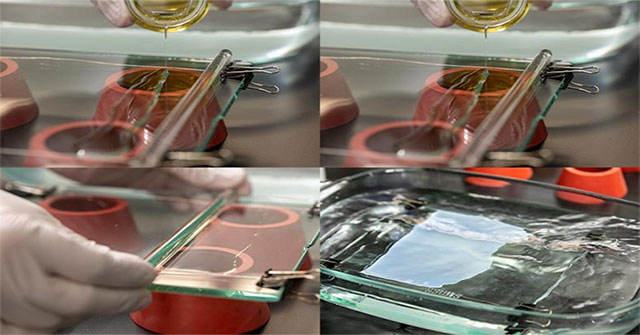
Researchers have created an optimal anti-stick layer that combines medical technology and the food industry to create a self-cleaning surface that repels even the most d…
Browse ScienceInfo articles and explainers related to Plastic.
805 published items.
Researchers have created an optimal anti-stick layer that combines medical technology and the food industry to create a self-cleaning surface that repels even the most d…
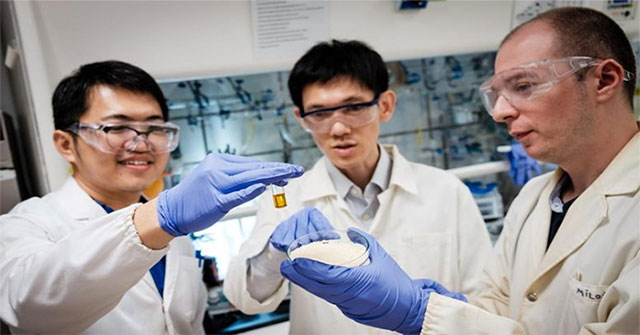
The work of Nanyang University of Technology (Singapore) is expected to be a solution to the current problem of plastic waste in an environmentally friendly manner.
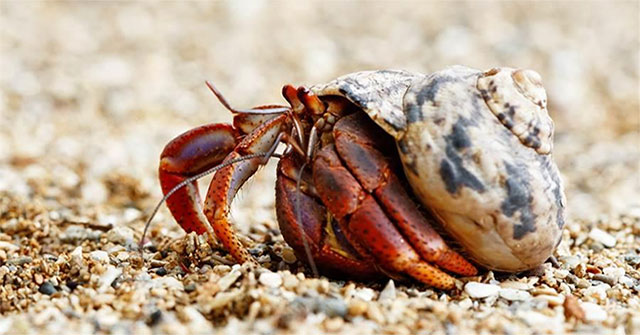
Over half a million borrowed souls died after being trapped in plastic debris on two remote archipelagos, causing scientists to fear that death could be part of a global…
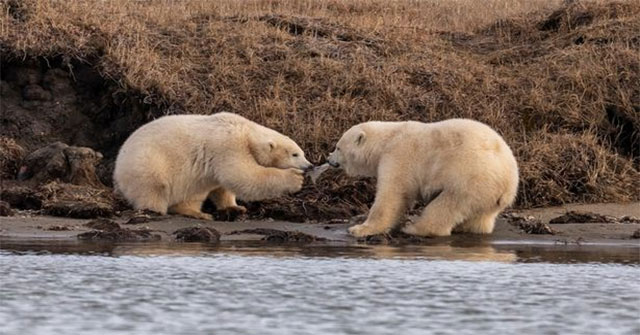
The heartbreaking image of young polar bears scrambling for plastic containers shows the dreadful human impact on the environment.
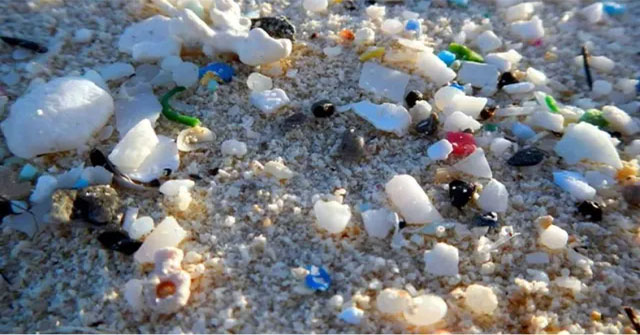
The number of microscopic plastics in the world's oceans is a million times larger than previously thought, according to a new study just published.
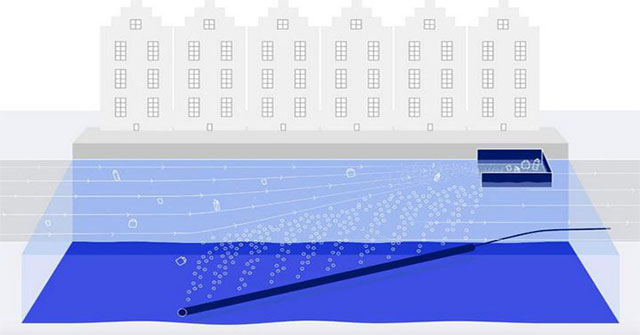
An interesting technology is being tested by Dutch scientists, using air bubbles to decompose plastic waste in the ocean.
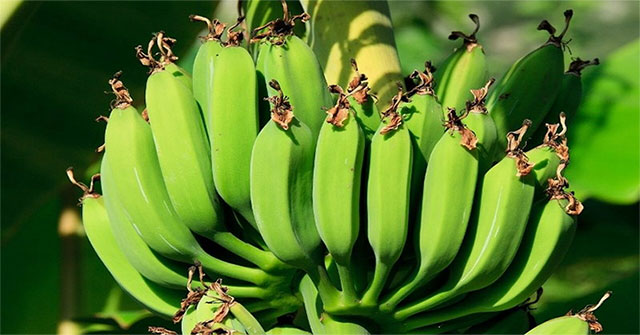
Biodegradable 'plastic' bags made from a banana plant may sound a bit ... bananas, but some Australian researchers have found a way to do that and make it a public solut…
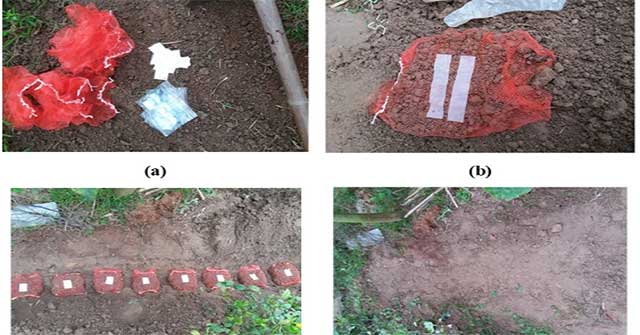
In less than 3 years, the bag will decompose into water and CO2, easily penetrating the soil, bringing nutrients to the plants.
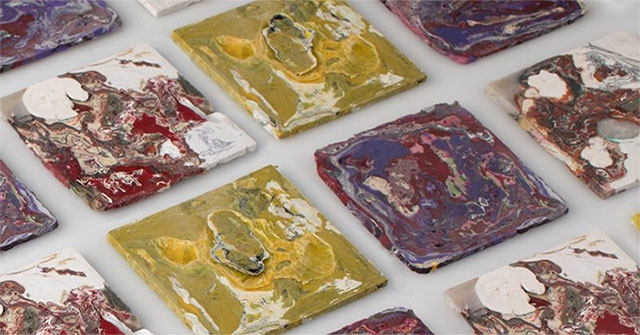
Kazakh designer Enis Akiev has developed a method of turning single-use plastic packaging into tiles by simulating the organic process of rock formation.
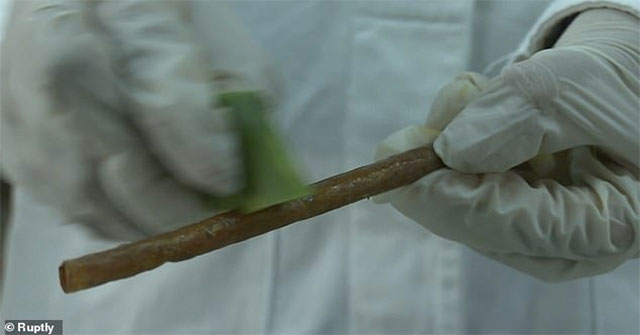
More than fifty million tons of mangoes are grown annually worldwide, but until now, their shells are often abandoned or used very rarely.
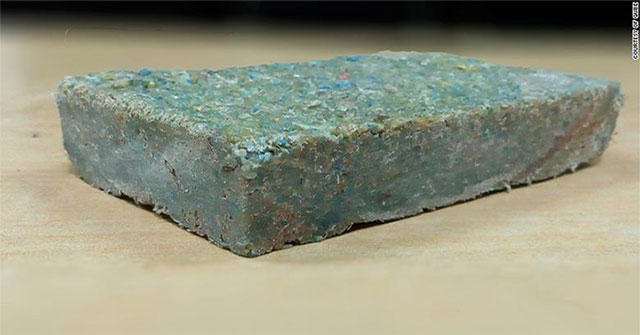
A young Indian has found a way to replace traditional brick kilns by making bricks from plastic waste cheaper and without environmental pollution. Moreover, the bricks c…

Most Christmas sweaters are made from plastic and this has the potential to contribute to plastic pollution in the global oceans.
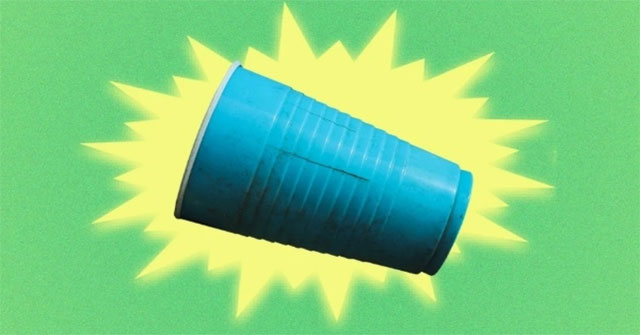
BPA chemicals in plastics have long been known as a hormone disruptor that ranges from pregnancy abnormalities to cancer, diabetes and obesity.

Overcoming the disadvantages of plastic and glass is an extremely safe and suitable choice for everyone to store food.
In a world that seems to be engulfed in plastic bottles, recycling this waste into useful materials will reduce the impact on the environment.