Environment
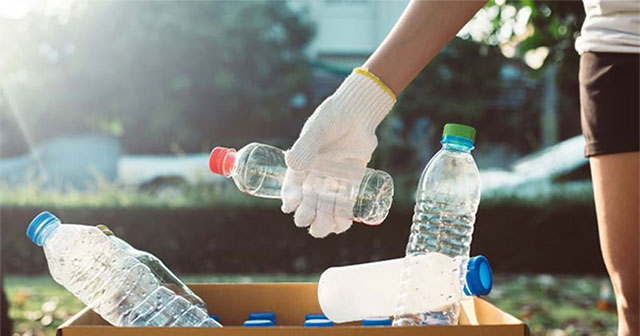
Turning plastic waste into a trendy trend
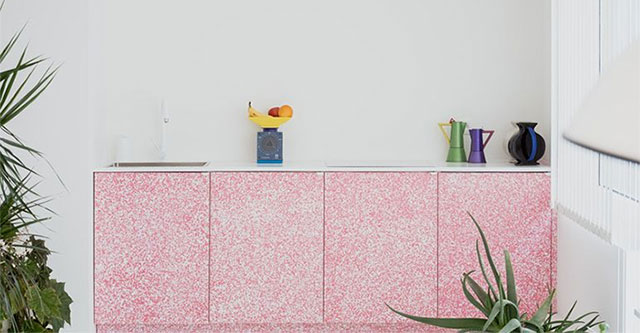
Bel Albatros, a company in Brussels (Belgium), is pioneering the conversion of plastic waste into recycled materials to produce new items.
Browse ScienceInfo articles and explainers related to Plastic.
805 published items.
Bel Albatros, a company in Brussels (Belgium), is pioneering the conversion of plastic waste into recycled materials to produce new items.

In medical literature, the origin of the syringe can be traced back to the early years of the AD. Since then, syringes can be made of all kinds of materials from metal,…
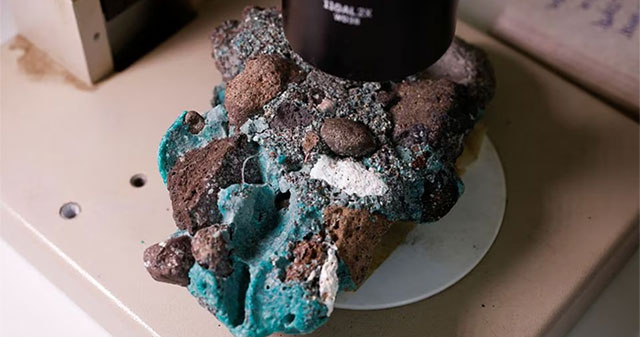
Scientists in Brazil have discovered rocks mixed with plastic on the volcanic island of Trindade.

Hyundai Engineering's new facility is expected to be able to utilize organic waste and plastic waste to produce 30,000 tons of hydrogen per year.
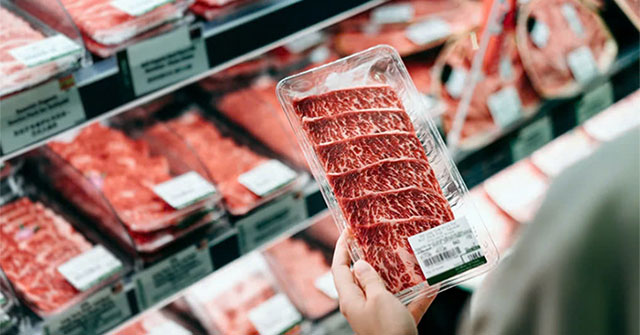
New research into chemicals in food packaging and plastic utensils has raised concerns about their effects on human health.
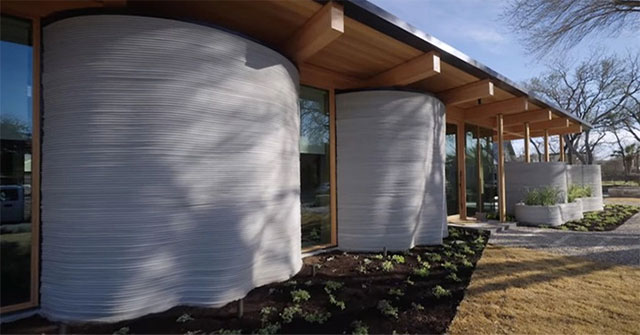
The world has faced many crises in 2022, and overcoming the biggest of them will be a huge and long-term challenge.
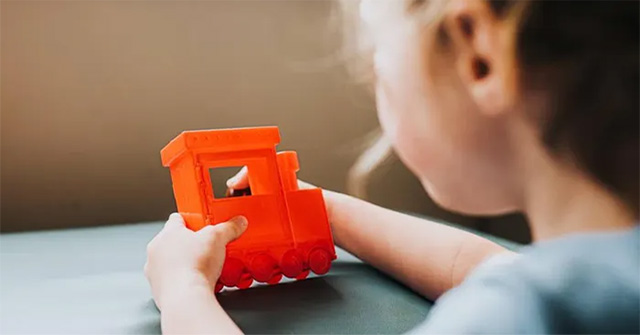
Research shows that brightly colored plastics such as red, blue and green are able to decompose into microplastics faster than light or colorless plastics.
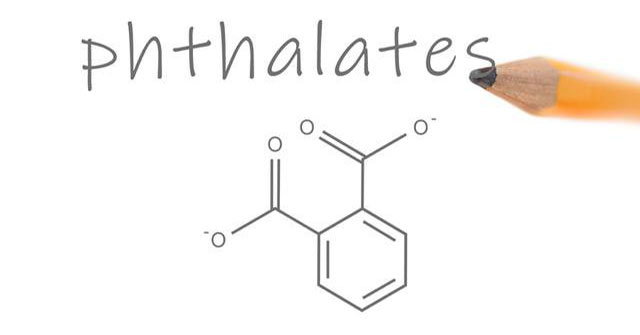
Phthalates are a group of chemicals used to make plastics more flexible and harder to break
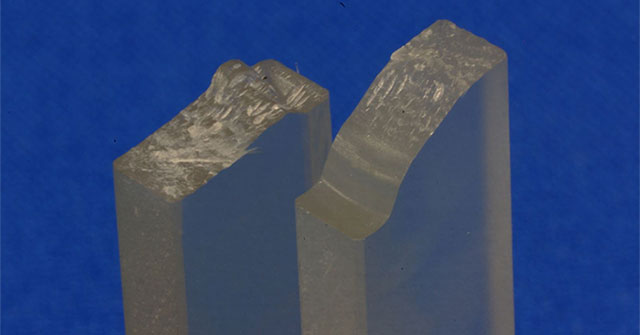
A group of Japanese researchers on April 10 announced that they had developed a new type of bioplastic that is not only durable but also decomposes quickly in seawater a…
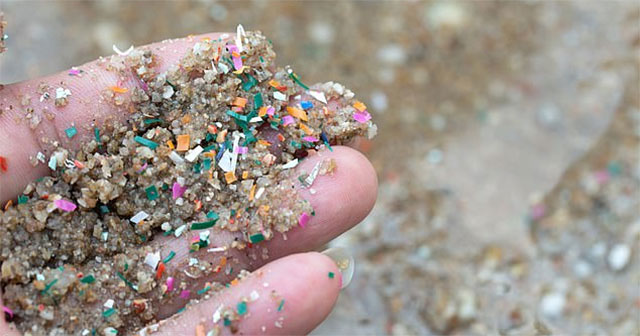
Researchers at the University of California - San Diego have created a biodegradable, plant-based plastic.
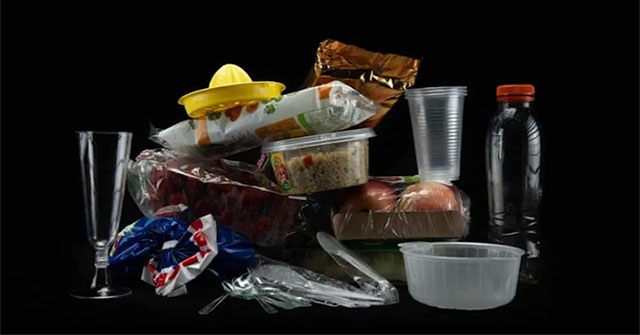
More than 16,000 chemicals exist in plastic products, from food packaging, children's toys to medical equipment...
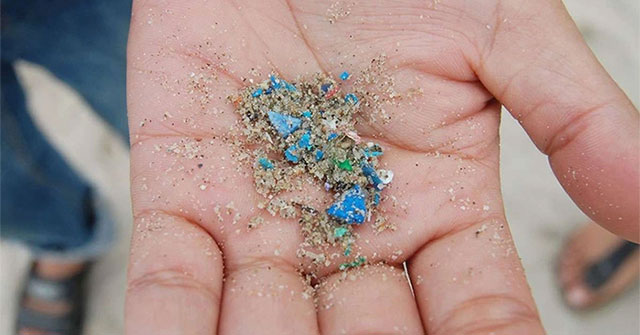
A laboratory study shows that microplastics can persist during cell division and contribute to the spread of cancer when they are in tumors.
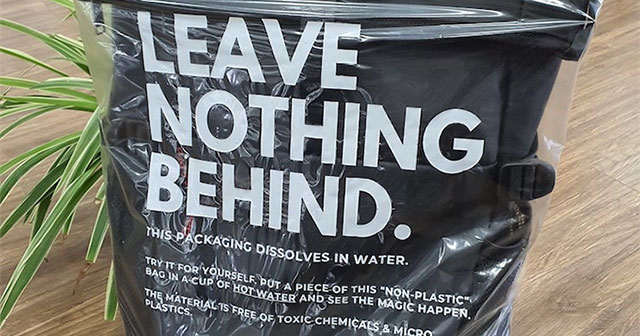
Products from the compound PVA (Polyvinyl alcohol) only take 30 - 60 minutes to dissolve in warm water (70 degrees Celsius).
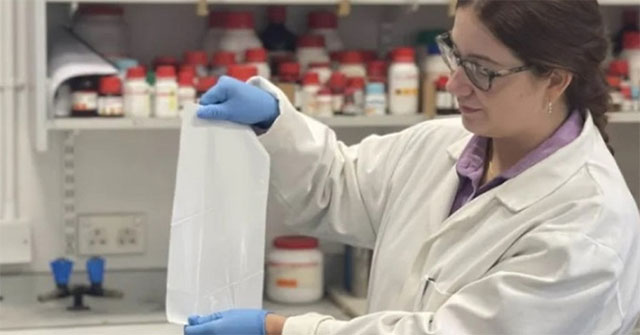
Scientists have developed a plastic that kills viruses that are able to persist on surfaces and infect hospitals like nCoV.
Seeing waste as a resource is trending in many countries around the world. Accordingly, waste can completely become a source of benefits for life.