Animal world
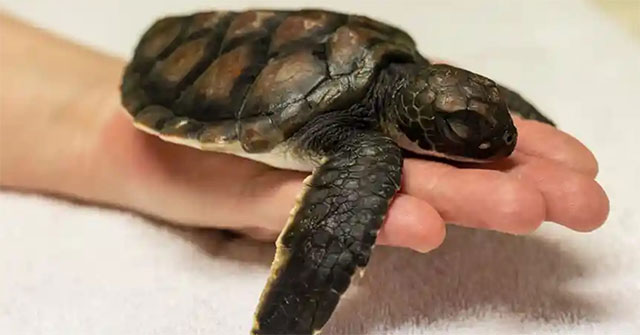
Newly rescued baby turtle in Sydney took 6 days to poop all the plastic it ate
Baby turtle has eaten too much plastic. Until after 6 days, all this plastic is brought out through the waste line.
Browse ScienceInfo articles and explainers related to Plastic.
805 published items.
Baby turtle has eaten too much plastic. Until after 6 days, all this plastic is brought out through the waste line.
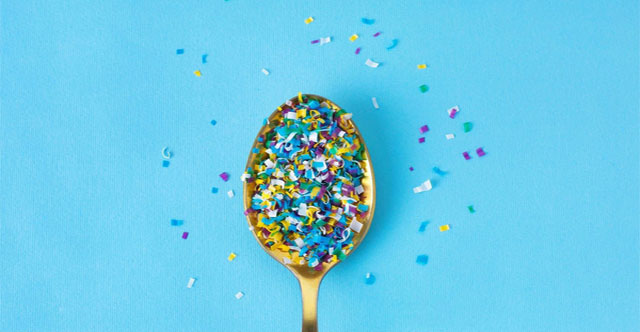
Microplastics have been found in supermarket food and farm animals in the Netherlands, however, its impact on human health is unknown.
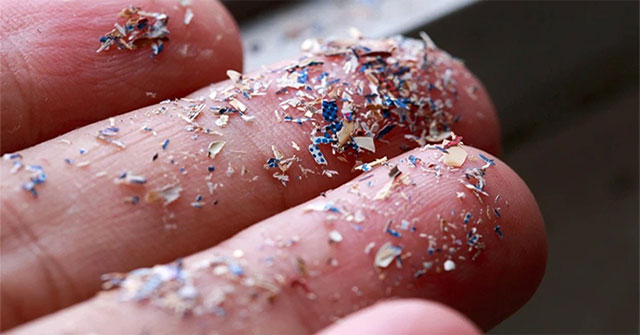
Scientists have proven that microplastics are everywhere, in the air, in the oceans and even in the human body for many years.
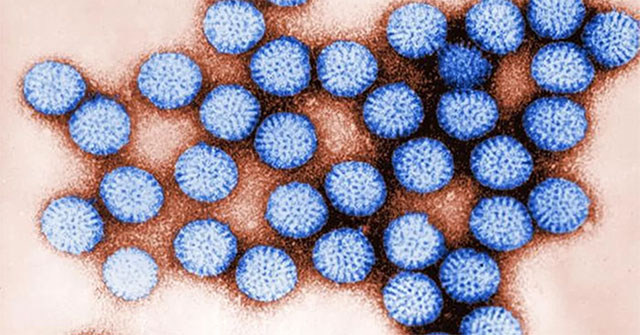
Researchers have found that dangerous viruses can remain infectious for up to 3 days in freshwater environments by attaching to plastic objects.

The coating, developed by the Rutgers School of Public Health, can be sprayed on food, washed before eating, and takes just three days to break down in the soil.

With plastic waste on the rise around the world, Buthelezi is using her work to bring attention to and combat the problem.

Researchers from the University of La Laguna in Spain have discovered a new form of pollution, with a combination of microplastics and tar deposited on coastal rocks.

Scientists in Australia have found a solution that can contribute to the treatment of about one million tons of plastic waste each year in this country.
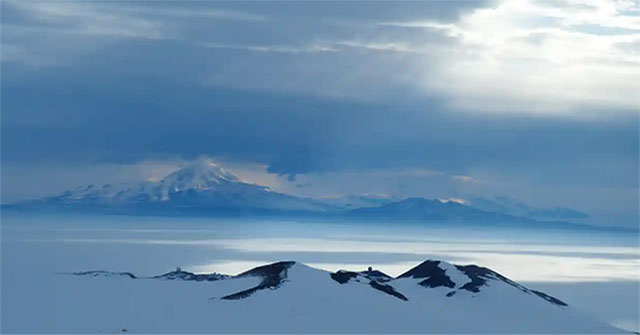
Recently, microplastics have been found for the first time in snowfall in Antarctica. This could accelerate the thaw and pose a threat to the continent's unique ecosyste…
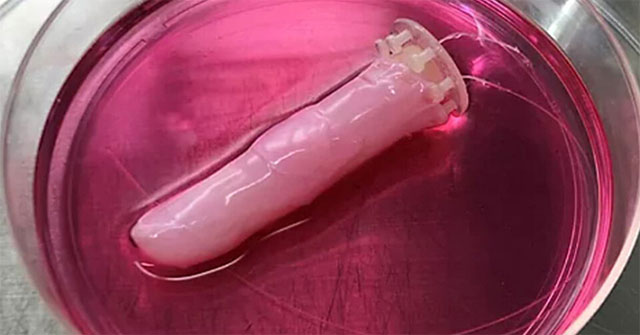
Japanese researchers have created a robotic finger with a self-healing flexible plastic coating made from human skin cells.
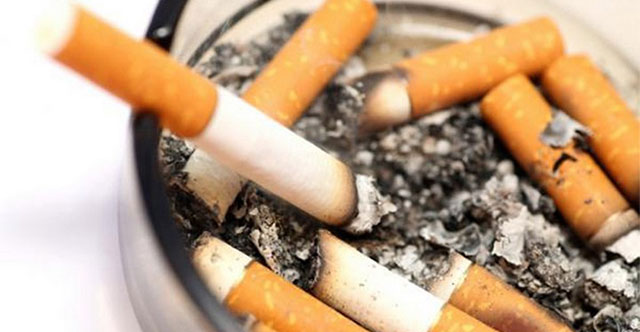
The most common source of plastic pollution in our environment is not plastic bottles, plastic bags or food wrappers but tobacco waste.
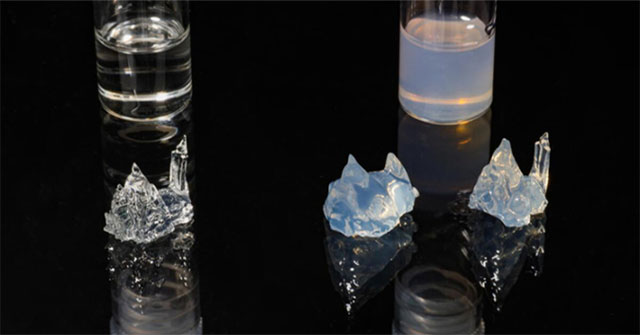
Light-based 3D printing is capable of creating small objects in tens of seconds with high resolution.
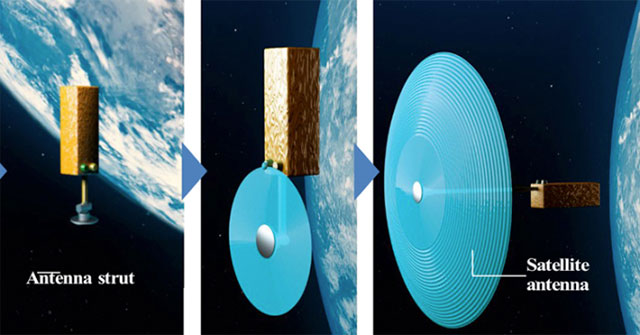
New technology allows to make satellite antennas right in orbit using plastic and sunlight, greatly saving launch costs.
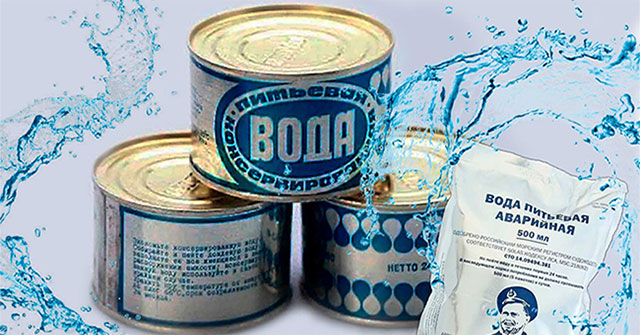
We are all too familiar with convenient plastic bottled water that we can carry with us. But the Russians used to have canned drinks that looked like cans of meat.
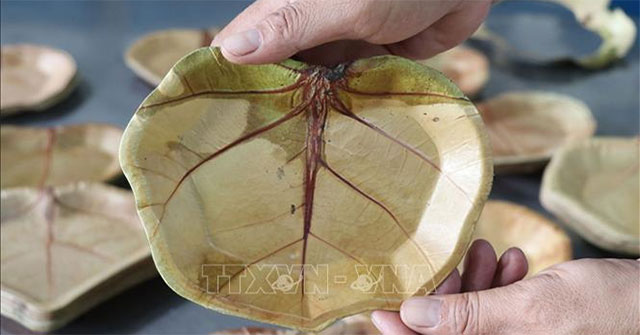
From the leaves of the sea vine, Mr. Nguyen Van Tuyen (Phu Yen province) has created beautiful, environmentally friendly dishes.