New technology
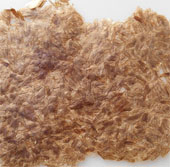
Resins made of insect wings
Dutch designer Aagje Hoekstra has introduced a new invention: material made from the beetle's shell, which promises to replace traditional plastics that harm the env…
Browse ScienceInfo articles and explainers related to Plastic.
805 published items.
Dutch designer Aagje Hoekstra has introduced a new invention: material made from the beetle's shell, which promises to replace traditional plastics that harm the env…
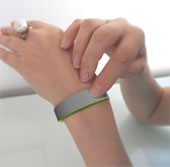
TapTap braces contain a capacitive sensor and an accelerometer to feel the user's pat. .
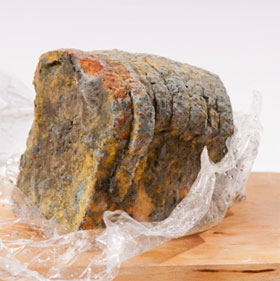
In the UK, about 15 million tons of food are discarded each year, mostly due to damage or mold growth.
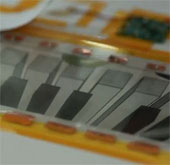
Electronic ink printed on a plastic film is used to create a transparent keyboard that can play music like a piano.
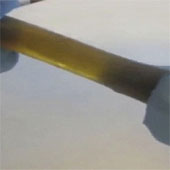
Spanish scientists claim to have successfully developed the world's first self-contained plastics.
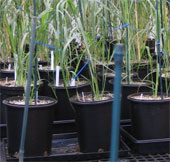
The study focused on the technique of creating a biodegradable polymer called polyhydroxybutyrate (PHB).
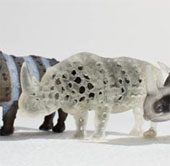
Although 3D print technology has grown dramatically in recent years, most machines still print solid objects with only one material.
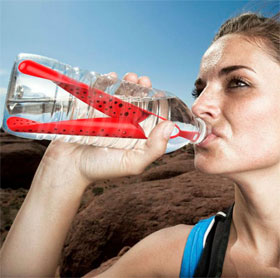
Bottled water is a big business but the production consumes a lot of energy and creates waste that pollutes the environment.
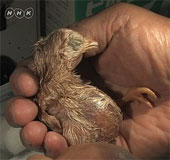
A Japanese high school teacher developed a method of incubation in plastic wrap and plastic cups to replace the eggshell.
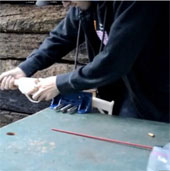
The 5.6 caliber gun barrel made mostly of plastic molded from a 3D printer could fire successfully, but then broke double.
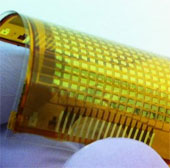
A team led by Professor Ali Javey, head of UC Berkeley's electrical and computer engineering department, has successfully developed the first sensor network that all…
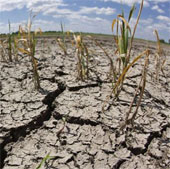
A team of scientists in the Russian city of Khabarovsk in Russia's Far East has synthesized a unique plastic, making the soil in the tanks made of this plastic more…
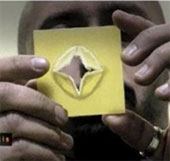
At a research institute in Brindisi, eastern Italy, people are cooking a special thing in a large saucepan, not a traditional pasta but an organic plasticizer.
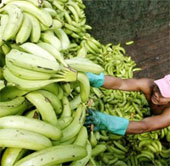
Elif Bilgin, a 16-year-old school girl from Turkey, is famous for his research on turning banana peels into bioplastics.
Lighter materials, such as plastic, can help astronauts effectively block harmful radiation rays during space travel.