Oceanography
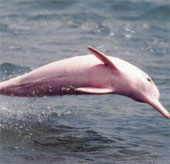
Pink dolphin - the symbol of Hong Kong is disappearing
According to the South China Morning Post newspaper (Hong Kong), experts have just announced a significant decrease in the number of pink dolphins in Hong Kong.
Browse ScienceInfo articles and explainers related to Pollution.
1,077 published items.
According to the South China Morning Post newspaper (Hong Kong), experts have just announced a significant decrease in the number of pink dolphins in Hong Kong.
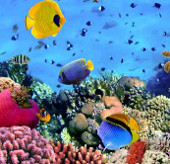
China's economic boom has seriously threatened the living environment and significantly reduced the area of coral reefs in the South China Sea.
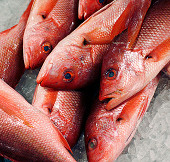
The Maine State Institute for Biodiversity Research (USA) has reported that up to 84% of fish worldwide contain a significant amount of mercury to human health, accordin…
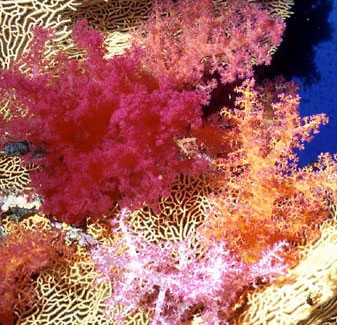
Conservationists warn that the area of coral living in Caribbean is only 10% compared to before. Coral reefs in this area grow very little and risk being completely de…
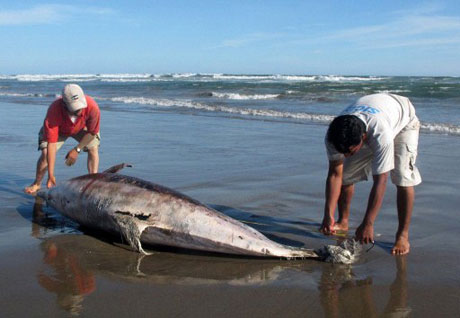
From January to now, nearly 900 dolphin carcasses, of which 95% are bottlenose dolphins, continuously drifted to a coast about 170km in northern Peru. Officials suspect…
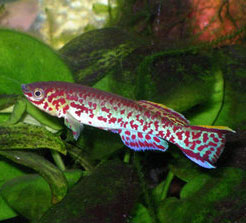
The popular fish in the swamp in Louisiana, USA, has been deformed and may not reproduce normally due to the oil spill in the Gulf of Mexico last year.
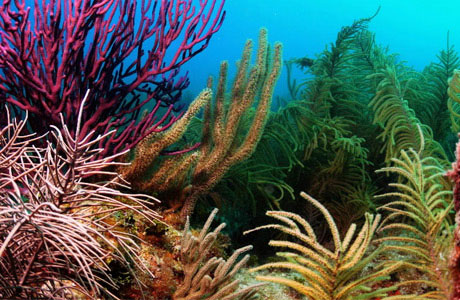
The ocean in the world is increasingly degraded and marine life is facing serious extinction unprecedented in human history, scientists study warning seas.
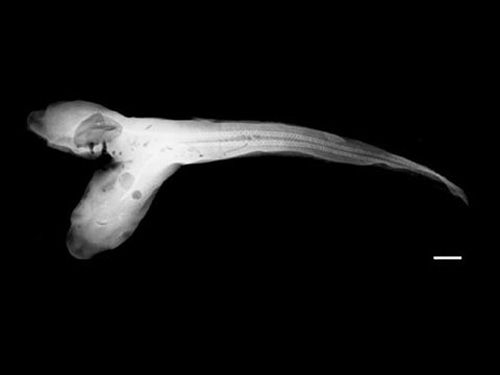
A pair of sharks, both of which have two heads, are found in a personal collection. One of the above two children was in the vessel since it was discovered in 1934 off t…
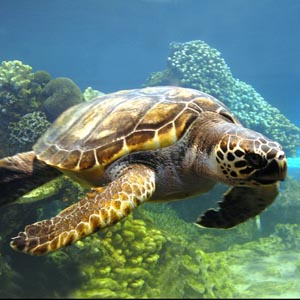
Sea turtles are at risk of extinction because they eat plastic bags that they mistakenly think are jellyfish.
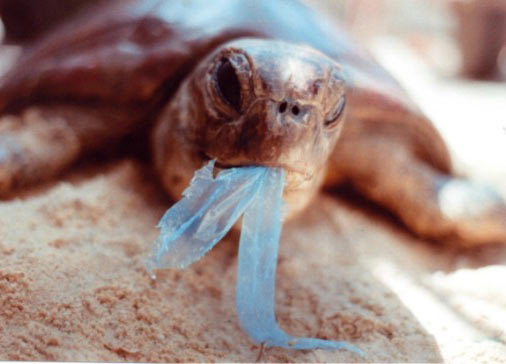
Oceanographer David Gallo, Woods Hole Oceanographic Institution (WHOI) as he boarded his ship anchored in the area where the Titanic was resting, saw evidence of a much…
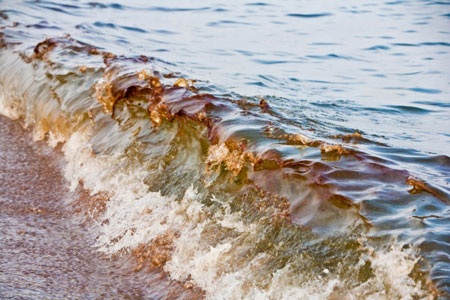
US scientists claim that most of the oil in the Gulf of Mexico has settled to the bottom rather than disappear like officials say.
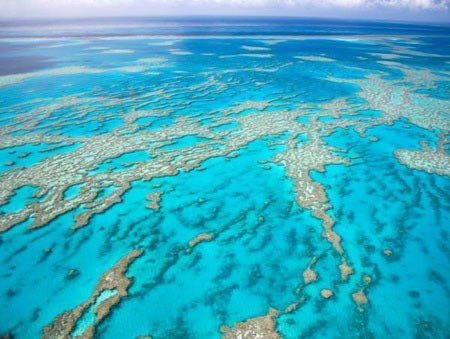
According to a recent study, people are constantly destroying the oceans with many different activities and at different levels of danger.

The conclusion of a group of US and Swedish scientists shows that dead sea areas - where aquatic species cannot survive due to lack of oxygen - are continuing to expand.

The increase in CO2 in the atmosphere makes the ocean acidification become more serious.
Pollution of oil and oil spills even if the concentration of oil in water is only 0.1mg / l can cause death of plankton; greatly affects young offspring and larvae of be…