Oceanography
Successfully recreating endangered coral in the laboratory
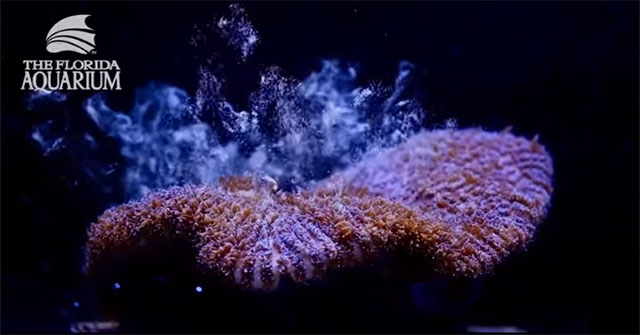
The successful reproduction of Atlantic column corals in the artificial environment opens hope for saving the dying coral population in Florida.
Browse ScienceInfo articles and explainers related to Population.
651 published items.
The successful reproduction of Atlantic column corals in the artificial environment opens hope for saving the dying coral population in Florida.
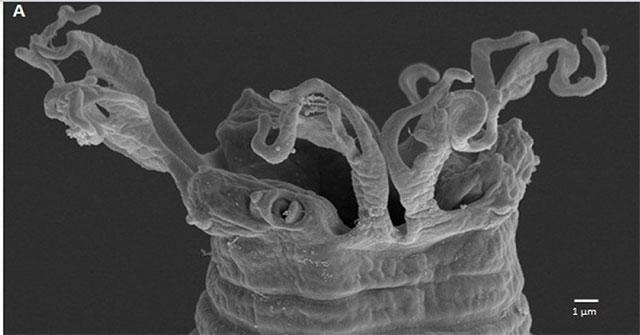
Spending 10 years collecting specimens, research on nematodes by Dr. Nguyen Thi Anh Duong and her colleagues has been published in the prestigious Nature Magazine.

Over the past 40 years, nearly 90% of the world's largest freshwater species have suffered a serious decline, doubling the proportion of vertebrate populations on land o…

Japanese scientists have found a way to reach the invisible super galaxies that NASA's Hubble space hunter must also give up.

University Hospital Aarhus, University of Aarhus (Denmark) and University of Lindköping (Sweden) have pointed out that up to a quarter of the world's population are carr…
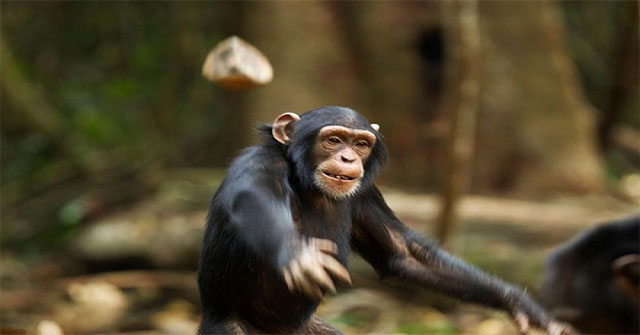
The zoo can be a bad place to experience an interesting trip, until you see a fist of flying straight to you.

In the next 30 years, high levels of CO2 in the atmosphere can lead to human deficiency of important nutrients, especially protein, iron and zinc.

The world population is growing rapidly, if it comes back to 200 years ago, according to estimates of the world population of less than 1 billion people, today the world…
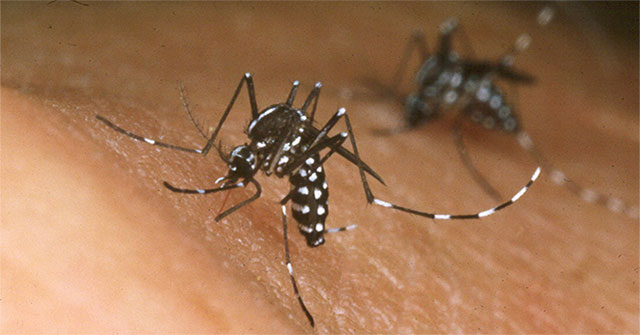
The team released male and female mosquitoes born naturally during the breeding season, successfully eliminating mosquito populations on the two islands.

Dandruff is a common scalp condition that affects more than 50% of the population and is characterized by visible white scales in your hair.
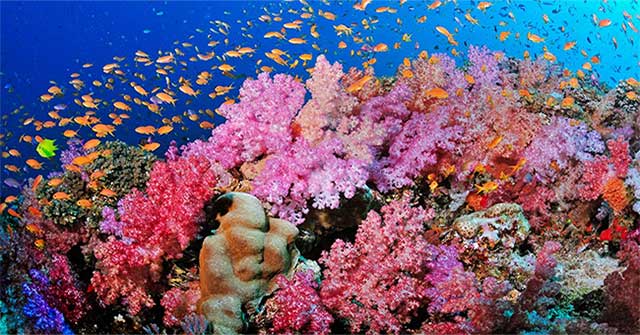
The coral is a small intestinal animal, having two embryos, often using tentacles around the mouth to catch prey.
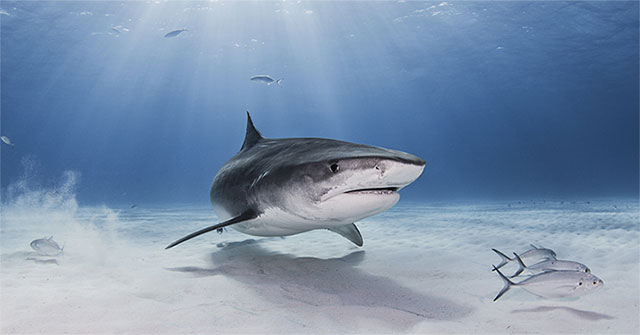
Thousands of tons of sharks are caught each year and the impact from plastic waste pollution puts the Mediterranean at risk of absence of sharks.
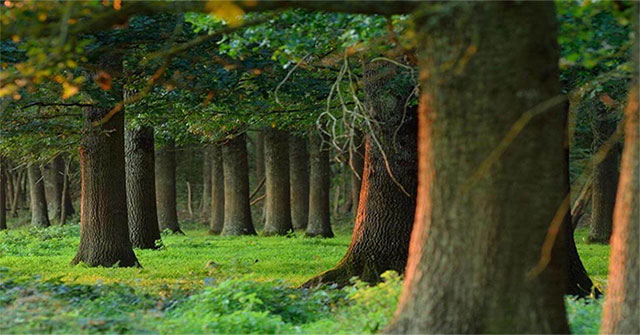
The study was done with nearly 2,500 different species of plants and found that there was a rearrangement of plant populations in France since 2009.

The study shows that genetic independence reflects the very high resistance of Vietnamese people and is far from the Han Chinese genome.

Human ancestors from about 9,000 years ago have faced modern urban problems such as overpopulation, violence and environmental hazards.