Animal world
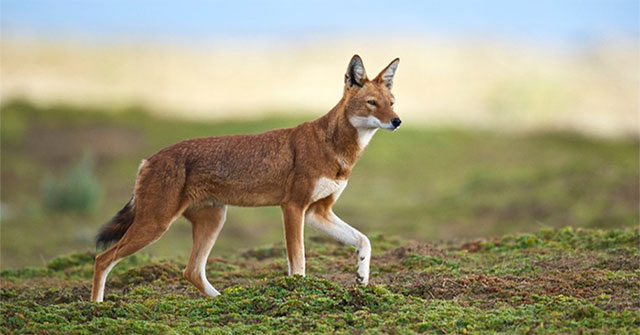
Ethiopian Wolf: Africa's Most Endangered Carnivore Despite Existing for More Than 1 Million Years
Africa is a continent famous for its biodiversity, especially its predators, from lions and cheetahs to foxes and mongooses.
Browse ScienceInfo articles and explainers related to Predator.
323 published items.
Africa is a continent famous for its biodiversity, especially its predators, from lions and cheetahs to foxes and mongooses.
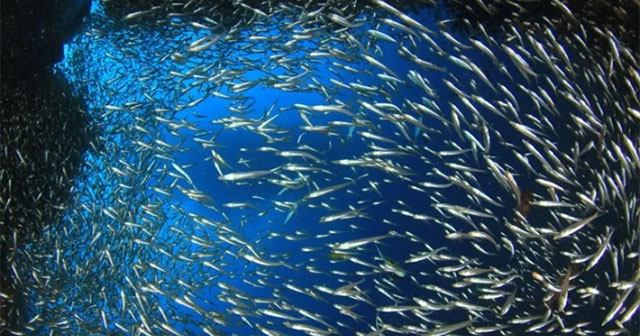
Researchers using sonar technology detected the largest predation event ever recorded in terms of both the number of individuals involved and the area over which the act…
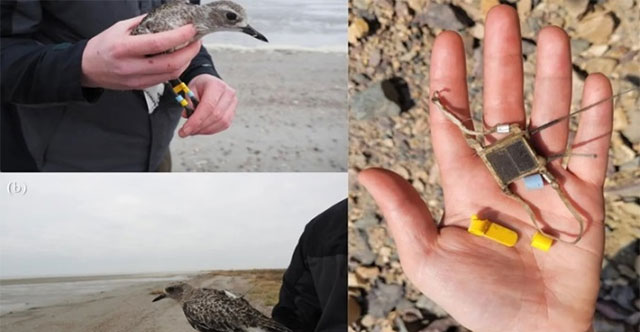
Scientists observed the highest-altitude predator display ever recorded as a plover fell into the claws of a peregrine falcon.

The annual migration of giant schools of sardines from eastern South Africa to the Indian Ocean is the largest on the planet in terms of biomass.
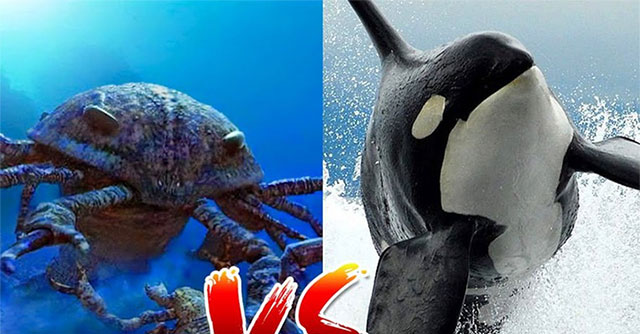
Millions of years ago, giant sea scorpions were considered predators.
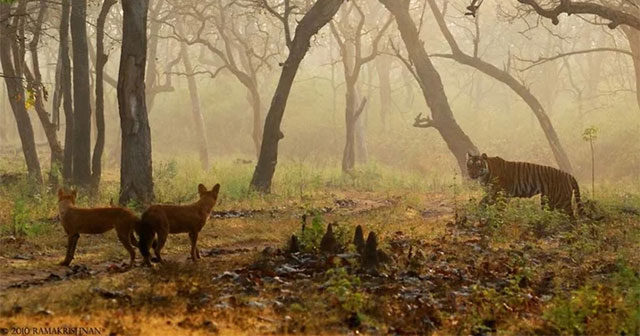
This wild dog is called the dhole, an unknown predator in the wilds of India.
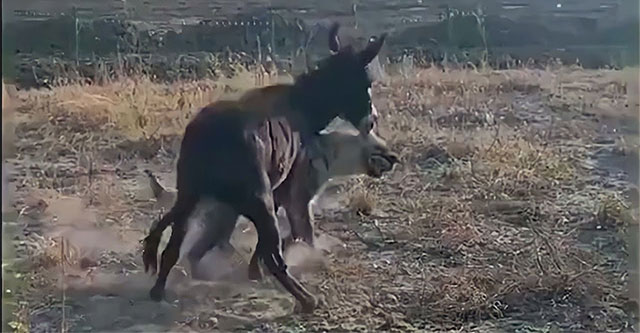
Donkeys' appearance makes us think that they are dull, stupid and easy to bully. However, reality proves the opposite.
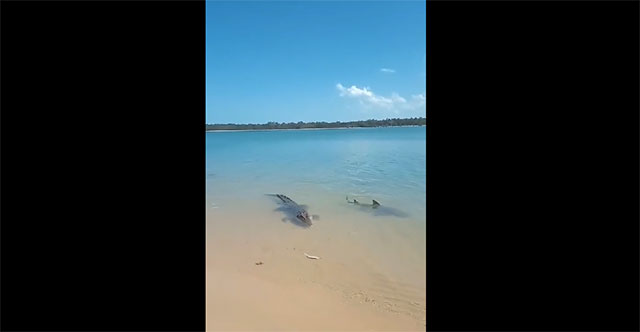
Sharks and crocodiles share common habitats and prey, so they can interact when foraging.
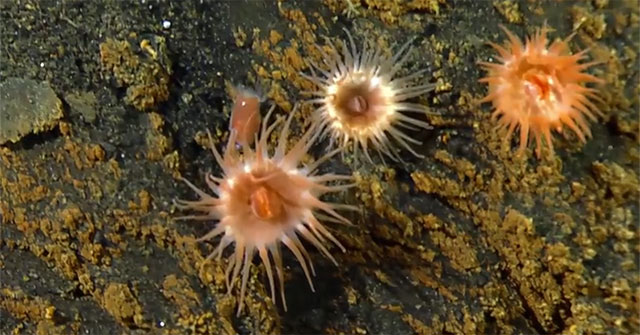
At a depth of nearly 700m under the sea, a remotely operated vehicle recorded the scene of a sea anemone hunting for prey at lightning speed using its tentacles.

Although ostriches have excellent self-defense abilities, why do lions, the top predators on the African grasslands, rarely eat ostriches?
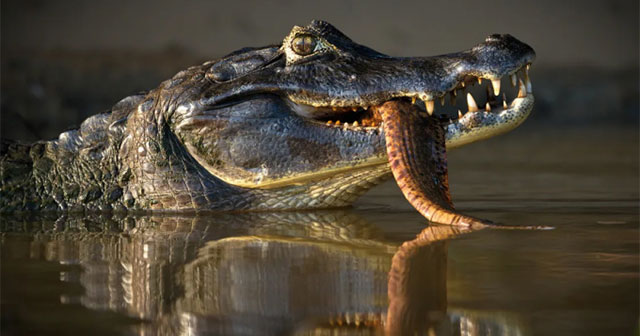
Black caiman crocodiles can be up to 5m long, are the apex predators in the Amazon, they will eat anything, including people if food is scarce.

The python was surrounded by a herd of more than 20 mongooses and could only endure the blows and find a chance to escape instead of fighting back.
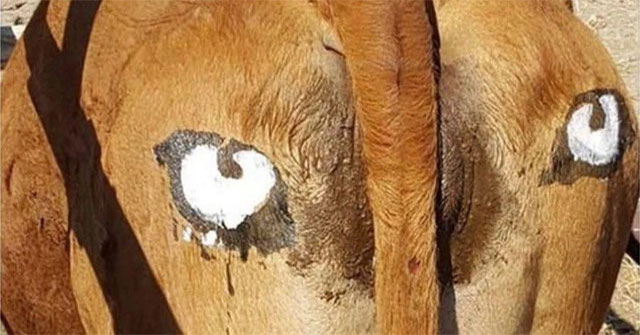
Painting eyes on the buttocks of cows in Africa is a unique measure to protect livestock from lion attacks.
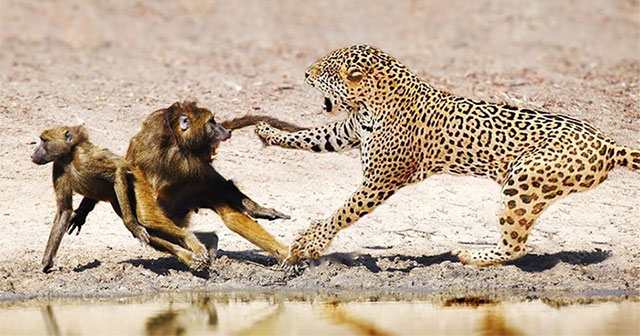
A clip recording the hunting scene of leopards in Kruger National Park, South Africa has attracted the attention of many wildlife lovers and thrill-seekers.
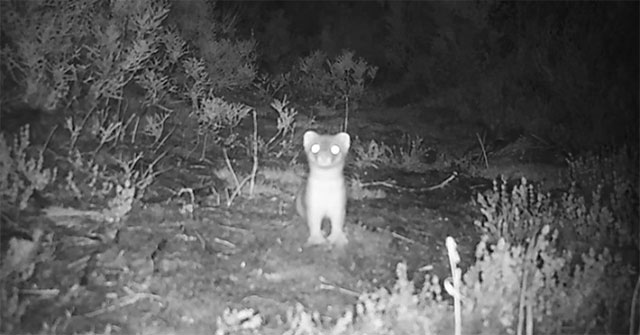
New Zealand authorities are willing to spend $300,000 on a campaign to destroy an ezmin that appeared on an island with many rare animals.