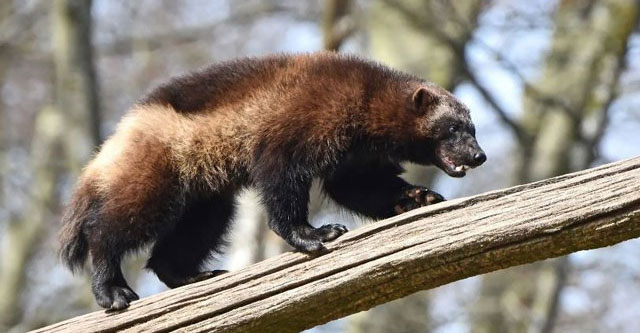
Animal world
Top 10 scariest 'olfactory terrorists' in the world
In the wild, there are some species that use their own body odor to create a layer of protection against predators. Here are the top 10 smelliest animals in the world.
Browse ScienceInfo articles and explainers related to Predator.
323 published items.
In the wild, there are some species that use their own body odor to create a layer of protection against predators. Here are the top 10 smelliest animals in the world.

Strangled by a giant python, the dog still tried to fight back and turned the tables at the last minute.
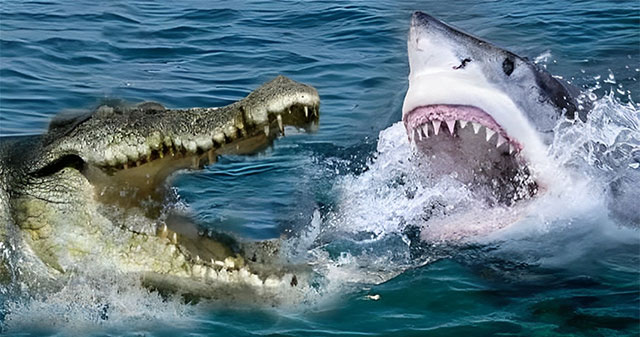
Great white sharks and crocodiles are two of the top predators that live in the oceans and wetlands.
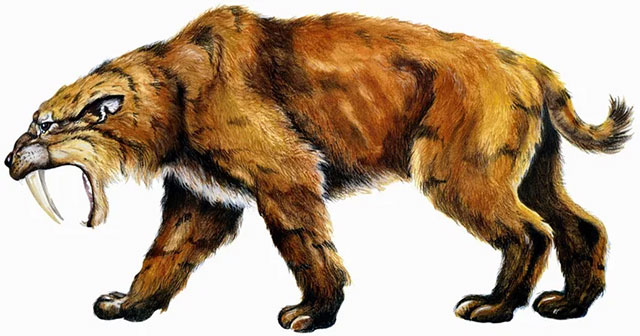
The saber-toothed tiger is one of the most well-known Ice Age animals, yet modern science still doesn't really understand this massive predator.
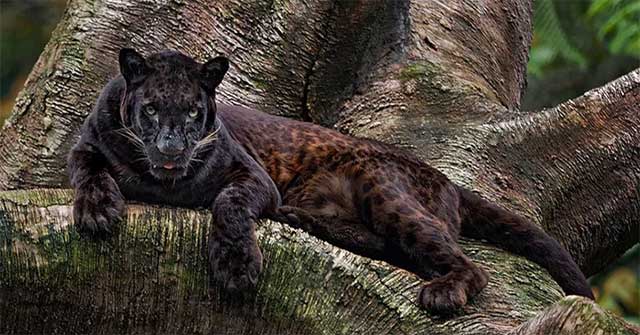
Many of the Marvel superheroes' powers are inspired by the predator of the same name, and Black Panther is one of them. He is inspired by the black panther in the wild.

Slime eels have evolved the ability to use mucus as a defense mechanism to clog the gills of predators in less than a second.

Just like a miniature society, the wild world has its order and is established by powerful hunters.

Life on Earth has a history of development and evolution of 3.8 billion years. On Earth, there are millions of species, without exception, all species are in large food…
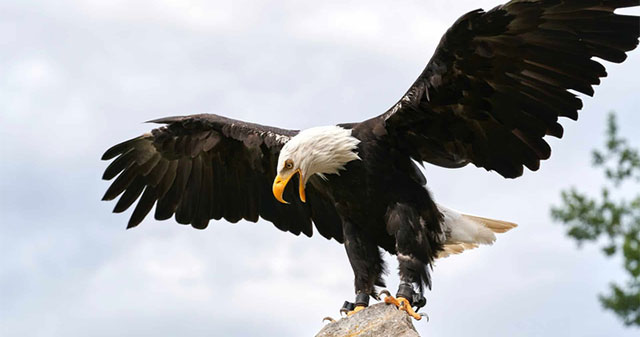
Both the bald eagle and the mountain lion are among the most powerful predators in the Americas, so what would happen if these two species went head to head?
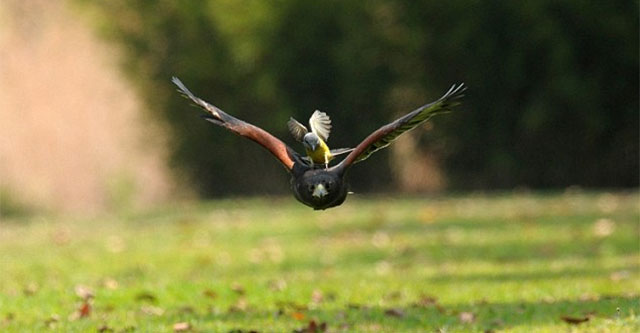
Surprisingly, the hawk, although much larger, did not dare to respond to this small bird.
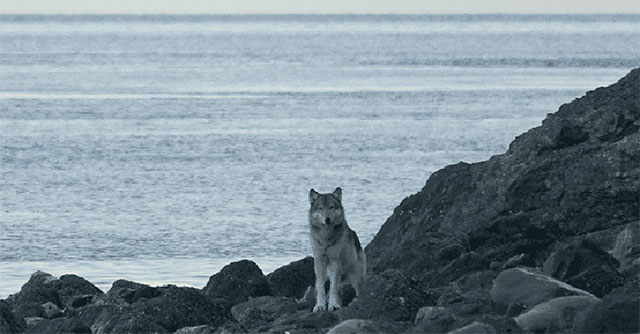
In a wilderness area of Alaska, where the moose population is only about 200, when wolves first appeared there, there were predictions that they would quickly leave on…
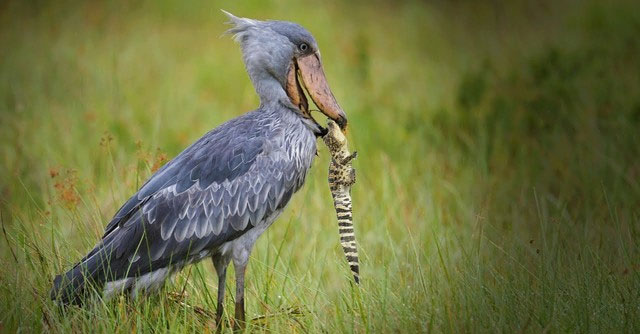
There are up to 3 species of birds that have a preference for seeking out crocodiles to eat.

Razorfish possess a unique swimming style that allows them to both evade predators and ambush hiding prey.
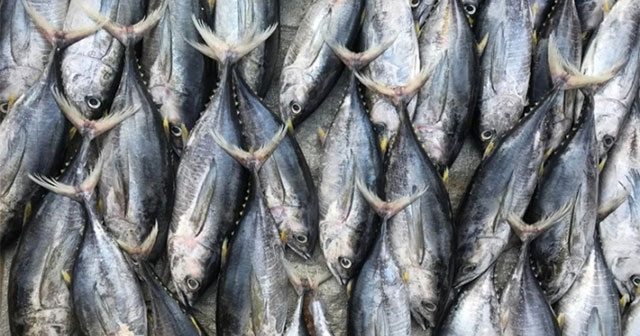
Tuna is one of the fish that contains the most mercury because the long-term feeding process causes them to accumulate mercury in their bodies.
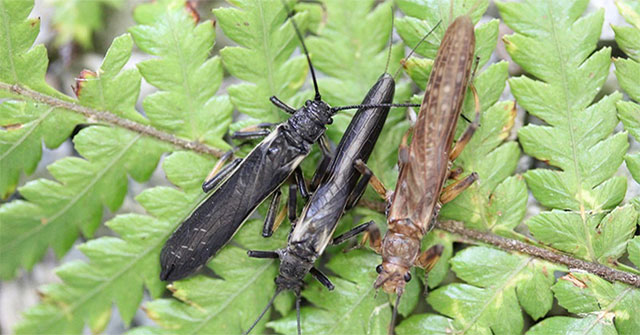
Researchers have discovered that a native New Zealand stonefly species is forced to change its body colour to survive in heavily deforested areas.