Medicine - Health
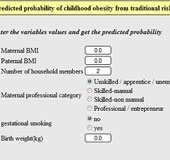
It takes two minutes to know if the child is obese when he is growing up?
Scientists have created a table of six questions and it only takes two minutes to predict whether an infant will grow obese or not.
Browse ScienceInfo articles and explainers related to Prediction.
300 published items.
Scientists have created a table of six questions and it only takes two minutes to predict whether an infant will grow obese or not.
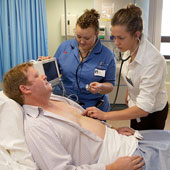
Will you die at about 11am or around 6pm? Your genotype can say that.
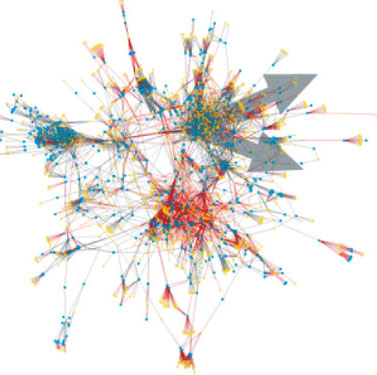
The SEA computer model of UCSF pharmacy uses the similarity of each drug's form with thousands of other compounds to predict possible side effects.
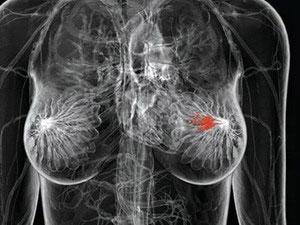
A recent British study found that the status of an ATM gene is linked to the risk of human breast cancer. By blood test, scientists can know the abnormal changes of this…
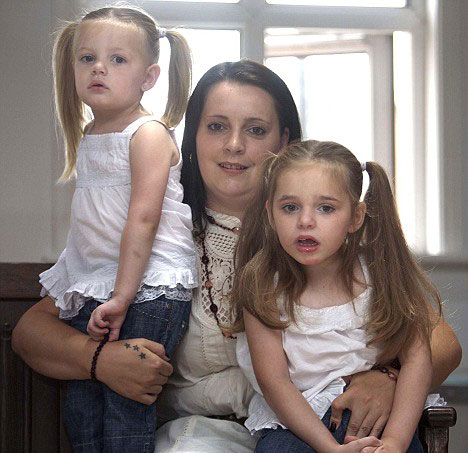
In her mother's safe arms, the sisters looked like any healthy and bright girls. But Ashleigh Lennon, 6, and his 3-year-old sister Alisha will die before they turn 12.

A study shows that the aging process may start much earlier than our prediction.
According to US researchers at Johns Hopkins University, more than 26 million people around the world suffer from Alzheimer's disease and according to new predictions, t…
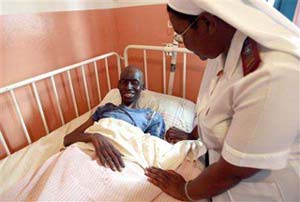
By relying on the World Bank's predictions for socio-economic development over the next 25 years, the World Health Organization researchers have begun to predict global…

Israel's Medial company offers less invasive solutions, based on more data for drug-resistant patients.
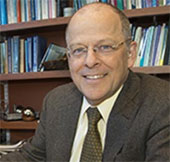
The group of American epidemiologists at Washington University has designed a statistical model called Rosner-Colditz.

Chinese scientists have found two proteins that can help accurately predict the spread of colon cancer.
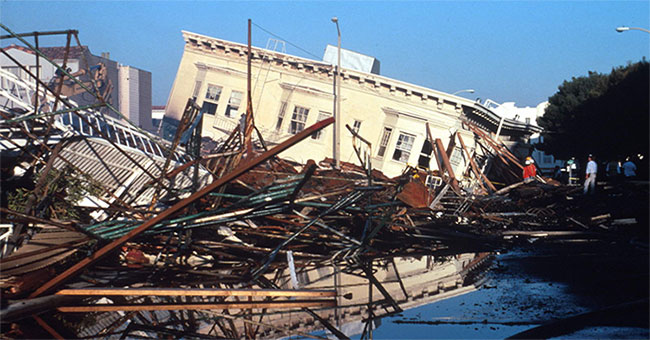
This model was studied from the synthesis of 199 large earthquake events in recent decades, and from data of 130,000 aftershocks.

An artificial intelligence program predicts the 2018 World Cup champion based on 100,000 simulations, according to Science Alert.
Side effects of drugs - the cause of extremely dangerous complications can be life threatening.

15 years ago, Microsoft co-founder Bill Gates had a somewhat strange prediction at the time, but was extremely accurate.