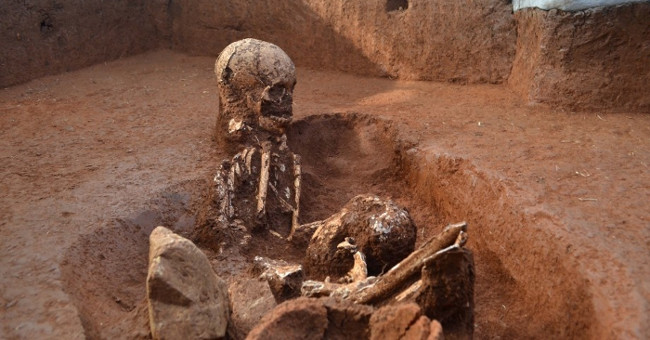
ArcheologyScientists are close to the goal of explaining the existence of the Plain of Jars, one of the most mysterious archaeological sites in Asia when they discovered the ancie…
December 17, 2018
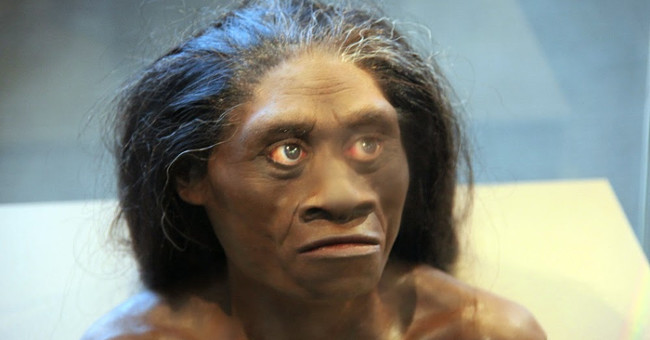
ArcheologyAccording to a recent study, prehistoric dwarfs who lived in Indonesia many thousands of years ago may have been wiped out by the first modern humans.
December 17, 2018
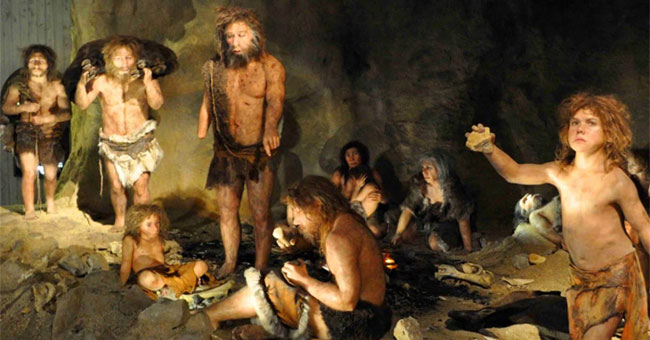
ArcheologyGerman scientists found climate change in the Ice Age eventually led to the disappearance of most Europeans and the emergence of newcomers from the Middle East and Euras…
December 17, 2018
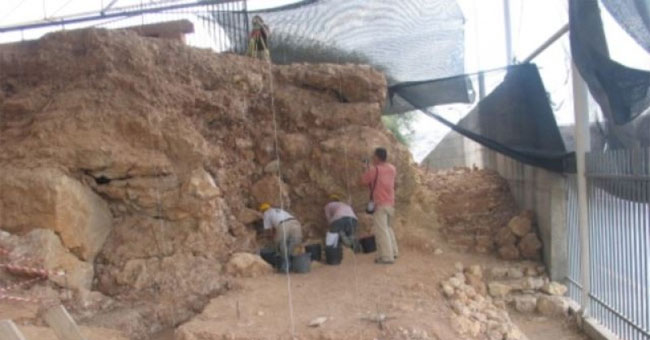
ArcheologyIsraeli scientists have discovered that prehistoric people in the Qesem cave in this country have tried to diversify the food they earn.
December 17, 2018
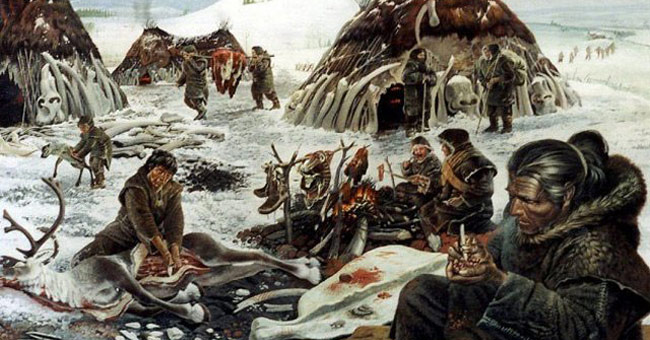
ArcheologyScientists discovered that people began dressing 170,000 years ago at a time when people went out of Africa and migrated to other regions.
December 17, 2018
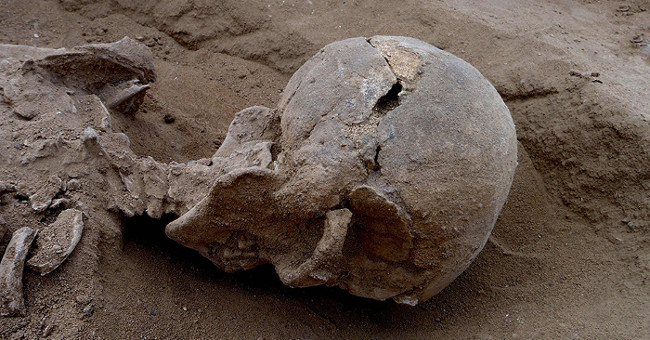
ArcheologyArchaeologists found fossil skeletons of 27 massacred hunter-gatherers 10,000 years ago in Nataruk, near Lake Turkana, Kenya.
December 17, 2018
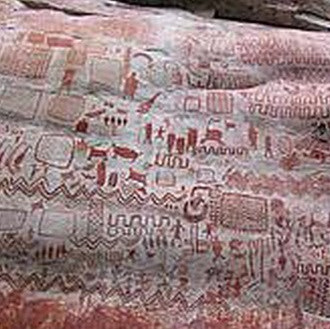
ArcheologyColombian archaeologists have discovered the remains of prehistoric people in the Amazon forest area of the state of Guaviare, which is conducting research on stone ca…
December 17, 2018
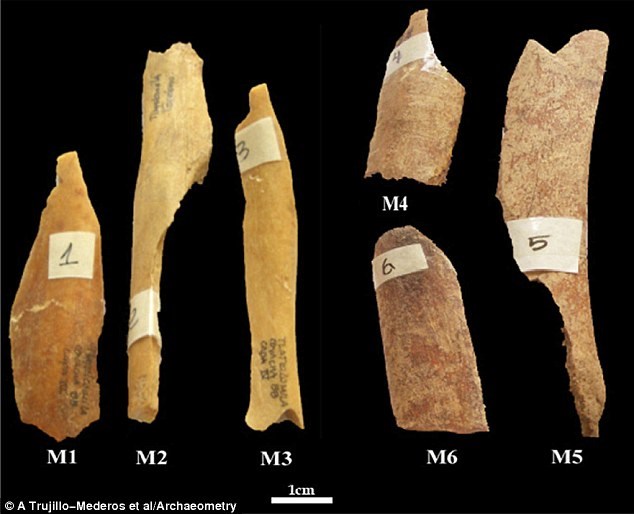
ArcheologyScientists have discovered that 2,500 years ago, people living near the present area were Mexico City, grilled or boiled human flesh and spices like chili and a saffron…
December 17, 2018
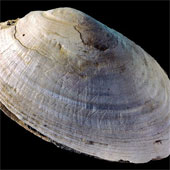
ArcheologyAccording to the Nature magazine on December 4, an Australian scientist has discovered that the first work of art was created by human ancestors.
December 17, 2018
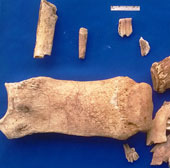
ArcheologyDuring the excavation from November 21 to December 1 in Thach Lac commune (Thach Ha, Ha Tinh), scientists discovered many archaeological sites dating back 4,000 years.
December 17, 2018
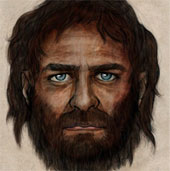
ArcheologyThe Stone Age skeleton was a hunter-gatherer found in 2006 in a cave at the archaeological site of La Brana-Arintero in northwestern Spain.
December 17, 2018

ArcheologyEating nuts and head fruits is a major cause of dental disease in prehistoric people.
December 17, 2018
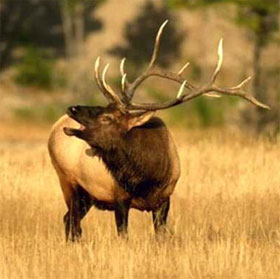
ArcheologyFrom hunting trips 12,000 years ago, prehistoric people proved to be as fabulous as modern people when they knew of flesh and bones and took bone marrow to eat.
December 17, 2018
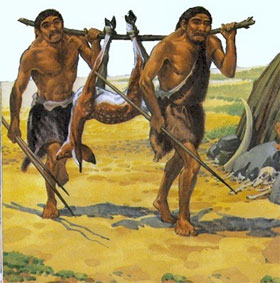
ArcheologyThe time when these two groups coexist together lasts about 2,000 years, longer than previously thought.
December 17, 2018
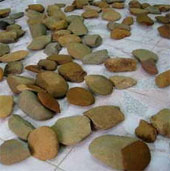
ArcheologySao Can Ty site is located next to Highway 4C (the road from Quan Ba district to Yen Minh, belongs to the Global Geopark of Dong Van Plateau).
December 17, 2018