Medicine - Health
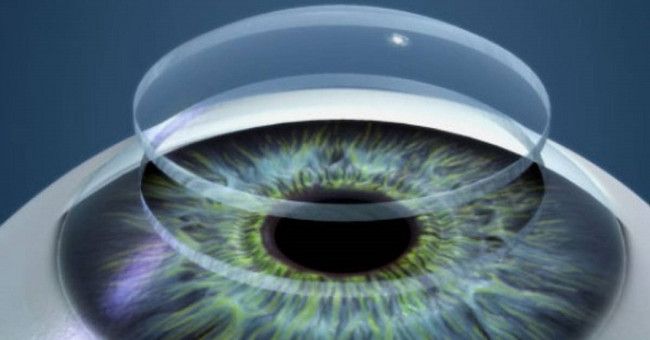
3D printing gets both corneas and implants successfully, people really come to the future
3D printing technology today is probably not too new anymore, with many applications in the manufacturing industry.
Browse ScienceInfo articles and explainers related to Printer.
213 published items.
3D printing technology today is probably not too new anymore, with many applications in the manufacturing industry.
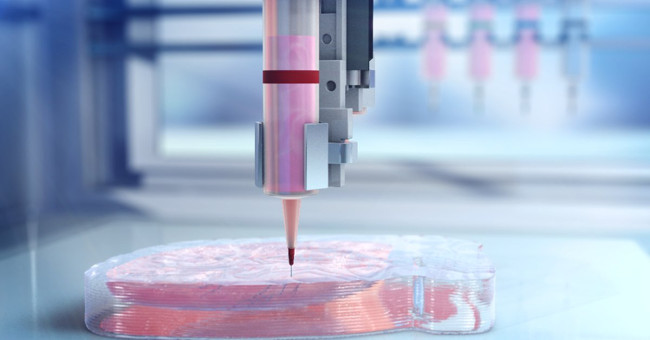
Artificial organs created with biological 3D printing will solve the problem of a shortage of organ donors.

In order to be able to print biologically in these agencies, 3D printers must mimic their activity in nature - both in terms of their arrangement and biological needs.
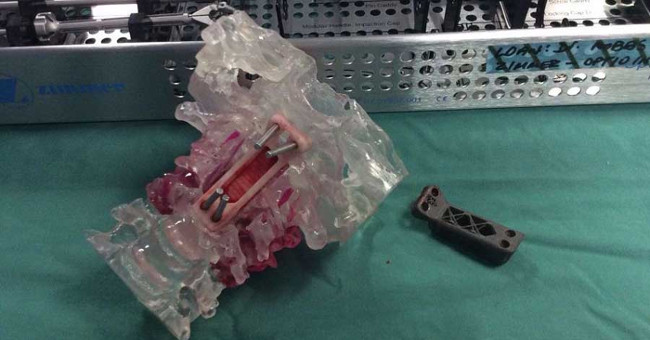
Although we have not been able to popularize 3D printers at home yet, in medicine, this tool has become extremely useful.
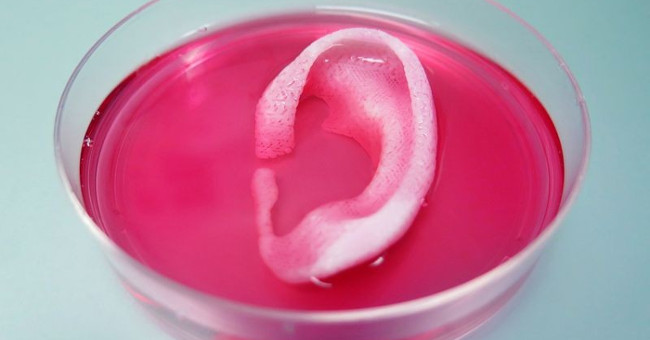
Experts have recently succeeded in printing an ear
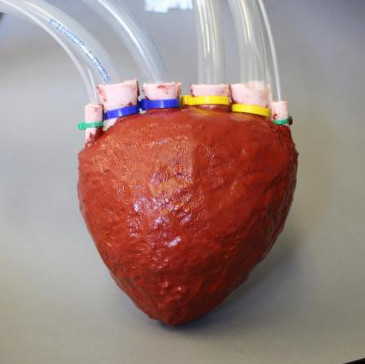
Using a kind of 'elastic foam' and 3D printers, scientists at Cornell University have created a liquid-shaped pumping device that acts like a human heart.
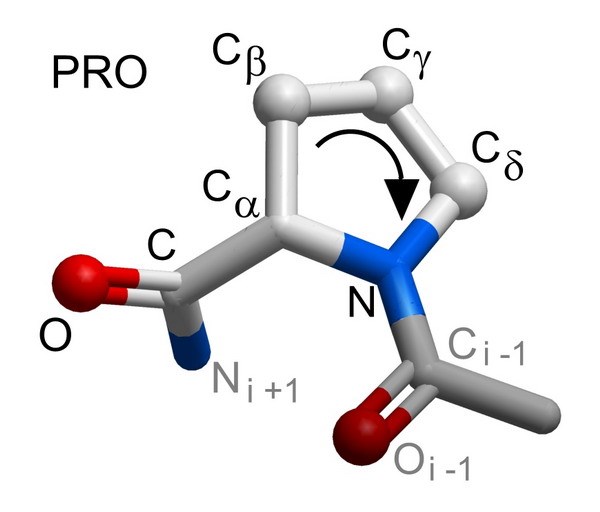
Thanks to 3D printing technology, researchers from the Royal University of London (UK) have created a model of protein chains, an essential component of DNA replication,…
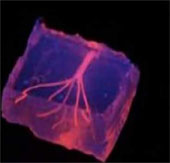
A group of scientists at Brigham and Women Hospital in Boston, USA, succeeded in producing blood vessels using 3D biological printing technology, Phys.org said.
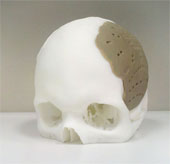
3D printing technology is no stranger to us, but applying this technology to Medicine is still quite a new thing.

The study was co-chaired by neuroscientists Keith Martin and Barbara Lorber of Cambridge University.
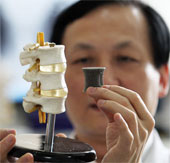
Beijing University Hospital No. 3, a leading hospital in China, has produced positive results in the use of implants manufactured by a 3D printer in a recent clinical tr…
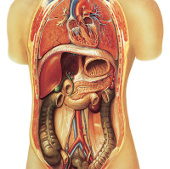
The British Institute of Physics (IOP) on February 4 published research results in Biofabrication, saying for the first time scientists have
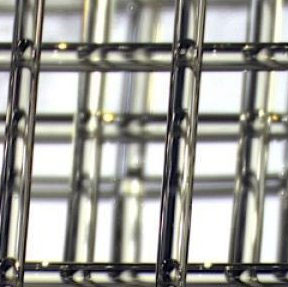
Scientists have just taken a step closer to the technology of artificial liver development, after a team of researchers in the US created molds made of sugar to make blo…
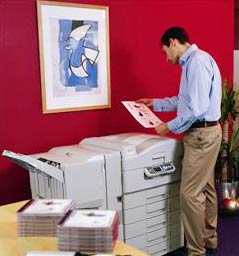
Office workers are at risk of diseases from laser printers, because they emit a large amount of tiny dust into the air, Australian scientists discovered.
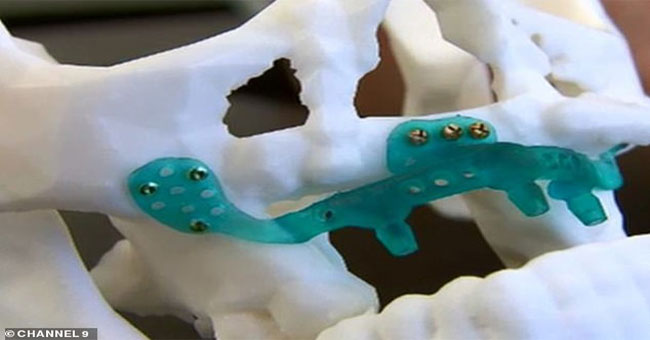
Myburg's life returned to normal after a successful jaw bone transplant. Remarkably, this jaw bone is cast from a 3D printer.