
Medicine - Health
Animal protein is very harmful to health
Some recent studies confirm that protein-rich eating habits significantly increase the risk of cancer and reduce serious life.
Browse ScienceInfo articles and explainers related to Protein.
936 published items.
Some recent studies confirm that protein-rich eating habits significantly increase the risk of cancer and reduce serious life.
In the process of regulating human health,
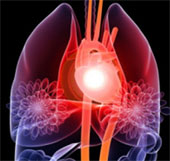
German scientists at Bochum University discovered a mechanism to control the elasticity of Titin protein, deciding on the hardening of the heart muscle.

Fish is high in protein, omega-3 fatty acids are very useful for building muscles, helping not to fall, reducing joint pain as well as avoiding intellectual decline.

Scientists have created more effective analgesics than stalk morphine.
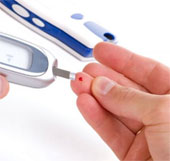
Japan is experimenting with SGLT2 inhibitors that can treat diabetes completely to avoid potentially dangerous complications for patients.

A new study has invented a drug that slows down the aging process, which is the key for people to live longer and live healthier when they get older.

Dr. David Katz - Director of the Yale-Griffin Center for Disease Research and Prevention (USA) - recommends that consumers before choosing milk should consider based on…
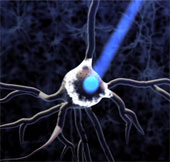
Scientists from the Stanford University's Bio-X division have used gene therapy to manipulate mice, so light can be used on the legs of mice to alter the sensitivity of…

US researchers report developing a simple, inexpensive cancer detection method that can produce results within minutes with a paper test strip.

Pumpkin seeds contain anti-stress ingredients, reduce anxiety, antibacterial and even prevent cancer.
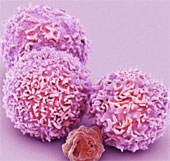
Scientists have discovered a breakthrough method that can kill cancer cells in blood vessels before they infect other parts of the body.
A new finding by scientists from Singapore's Nanyang Technological University (NTU) brings promise about the possibility of developing a vaccine against malaria.

A scientific breakthrough can make birth control pills for men a reality.

A new study shows that the risk gene for Alzheimer's disease can begin to affect the brain from childhood.