Science invention
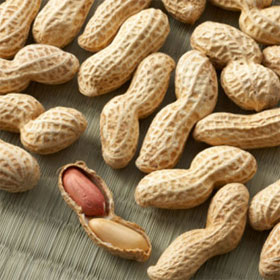
Cure peanut allergies with stickers
Children with severe allergies to peanuts can eat peanuts after a year using special patches on their skin, according to the Daily Mail on June 24.
Browse ScienceInfo articles and explainers related to Protein.
936 published items.
Children with severe allergies to peanuts can eat peanuts after a year using special patches on their skin, according to the Daily Mail on June 24.
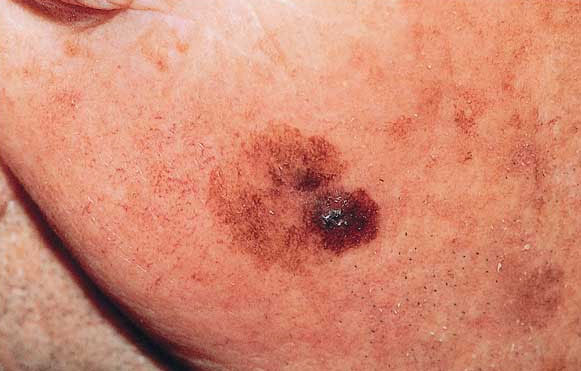
According to British scientists, Trametinib can neutralize a protein called MEK that stimulates the growth of melanoma while Dabrafenib can prevent a mutant gene called…
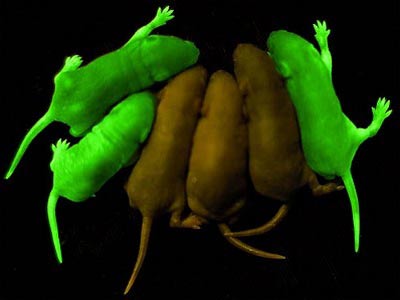
Mankind has not forgotten the appreciation of scientists who discovered GFP, an effective marker used in biochemical research.

Almost half a century after his father won the Nobel Prize, American professor Roger D. Kornberg also won this year's Nobel Prize in Chemistry for his study of how cells…
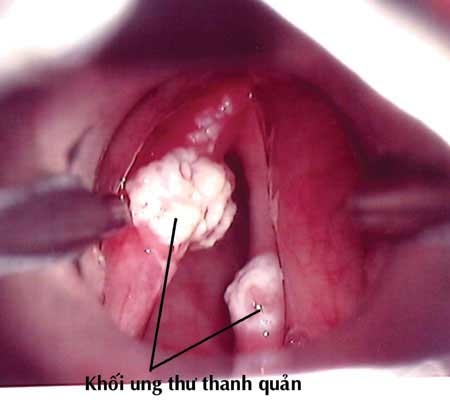
Korean scientists have successfully researched a new technique that can simultaneously diagnose 12 types of cancers with the same mutant protein. Professor Lee of the Ko…
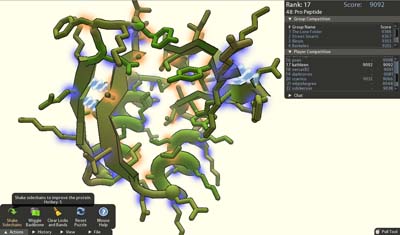
Do you like video games? And also want to solve problems for science? A new game, called Foldit, transforms protein folding into a competitive sport. The opening level t…


The two most powerful supercomputers in the world today are responsible for analyzing proteins instead of processing numbers. That's because life science, not physics, i…
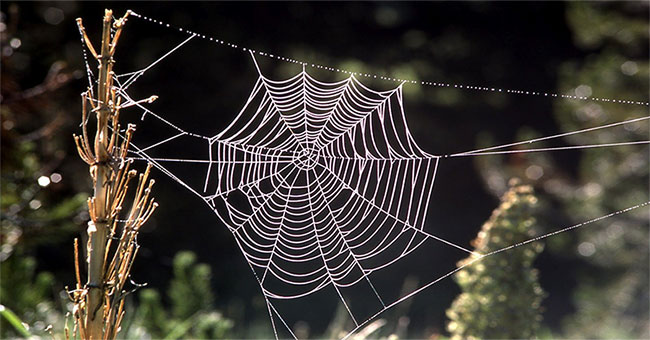
This work was done by a team at Washington University (Saint Louis, Missouri, USA) using bacteria to synthesize spider silk proteins.
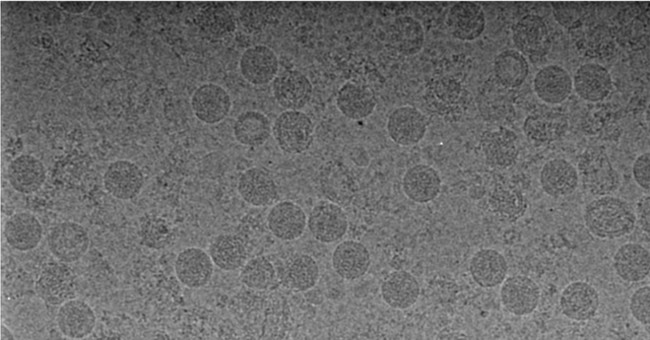
If you see the structure of a machine, you can guess how it works. The same is true for biological structures, such as viruses.
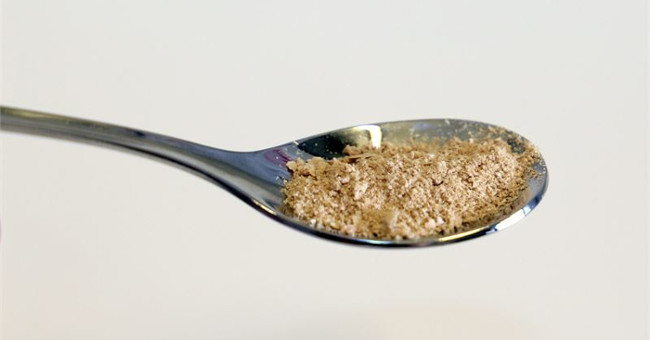
In a recent statement, VTT did not elaborate on the production process but only revealed that the protein could be produced 'from anywhere where there is renewable e…
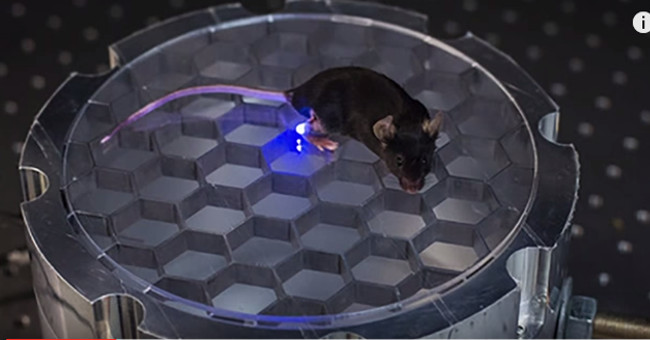
A remarkable scientific advance, opening up more areas related to the neuroscience and brain aspects.
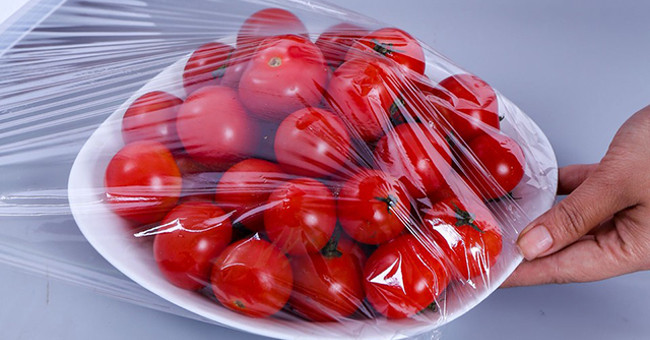
American researchers have developed dairy-coated films that not only help preserve food but also eat it.
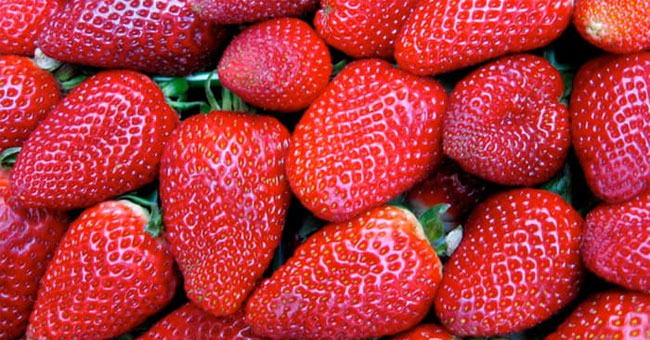
US researchers have developed silk-wrapping technology that allows the fruit to remain fresh and succulent even when not in the refrigerator for a week.
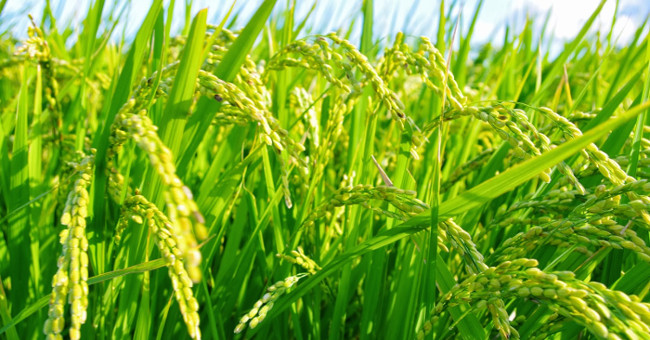
US scientists have discovered ways to use sunlight to synthesize ammonia, an important ingredient in fertilizer production.