Archeology
Detecting wrecks from the 17th century
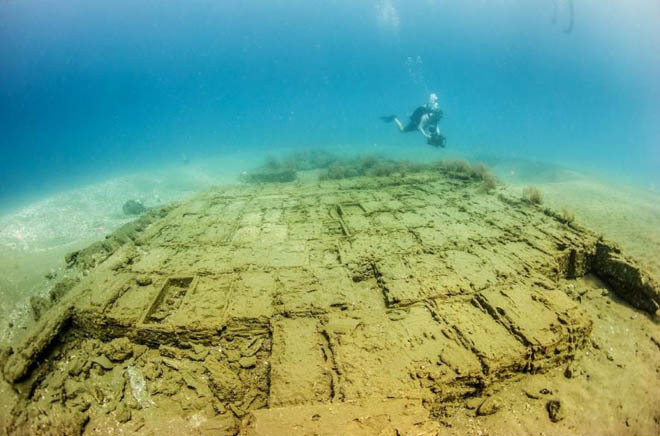
The researchers discovered the wreck of Spain with many tools and weapons, suffered in the 17th century but still preserved intact.
Browse ScienceInfo articles and explainers related to RNA.
1,928 published items.
The researchers discovered the wreck of Spain with many tools and weapons, suffered in the 17th century but still preserved intact.
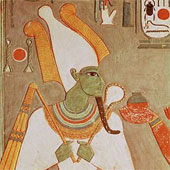
Recently, archaeologists in Egypt suddenly discovered a tomb of the god of death Osiris - god of ancient Egyptian gods.
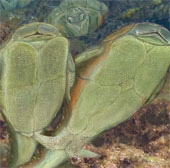
According to Nature, scientists have discovered the source of mating from the fossil observation of the catfish, living 385 million years ago in Scotland.
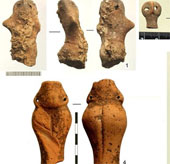
Many small statues like humans and remains of sacrificial animals have been discovered in a 6,000-year-old temple in Ukraine's prehistoric settlement.
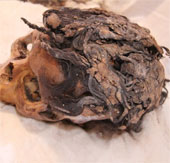
Experts found that the hair of this 3,300-year-old ancient Egyptian woman was braided into small, fixed curls at the top of her head.
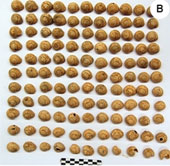
A new archaeological excavation in Spain reveals that humans eat snails from the Paleolithic period 30,000 years ago.
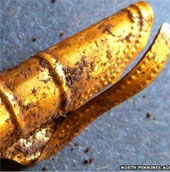
A group of British elementary students on the trip actually found a rare gold jewelry, dating from 2,300 BC.
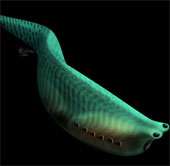
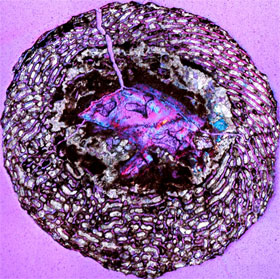
A tiny, non-living little fish more than 500 million years ago is providing extremely important evidence of the origin of vertebrates on Earth.
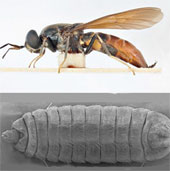
The larvae are found in the black soldier fly, with the scientific name Hermetia illucens. This fly grows thanks to decaying organic material.

As soon as the information of the 1000-year-old Grail is found in gold encrusted with precious stones, people in this area have come to admire.
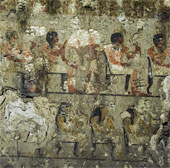
Archaeologists have just discovered the tomb of an official of the 18th dynasty of Egypt - the reign of Tutankhamun (around 1341-1323 BC) - in the area of Sheikh Abdel…

The letter revealed in part the sentiment and longing for the Roman soldier to participate in fighting for the army.
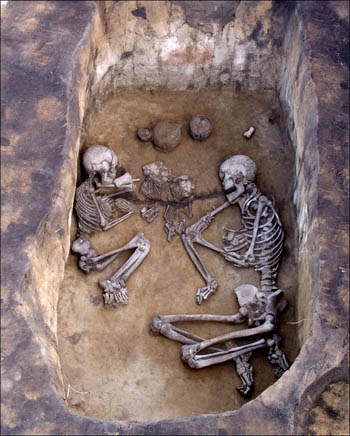
Recent archaeologists excavated many graves of double burial or family burial in Siberia, dating back about 3,500 years.
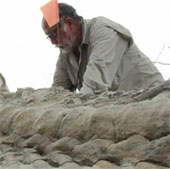
A group of excavators carefully swept away the sand and gravel that covered thousands of years of age to reveal the dinosaur tail about 5 meters (16 feet) long.
Scientists have discovered a cave storing more than 200 fossil skeletons from dinosaur fetuses in Yunnan, China.