
Space science
Paranormal phenomena from the universe
Aviation experts claim: In the universe there are often strange phenomena that result in astronauts hearing and seeing what's outside our scientific knowledge.
Browse ScienceInfo articles and explainers related to Radiation.
747 published items.
Aviation experts claim: In the universe there are often strange phenomena that result in astronauts hearing and seeing what's outside our scientific knowledge.
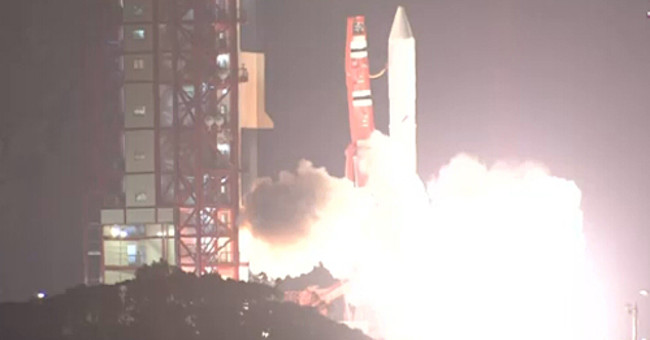
Japan's advanced hard-fueled Epsilon rocket has been successfully tested from the Uchinoura Space Center.
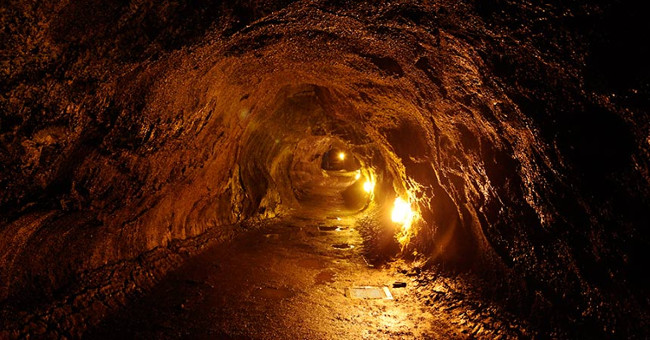
Lava caves beneath the Moon's surface with a diameter of up to 5 km can protect people from extreme temperatures, radiation and meteorite collisions.
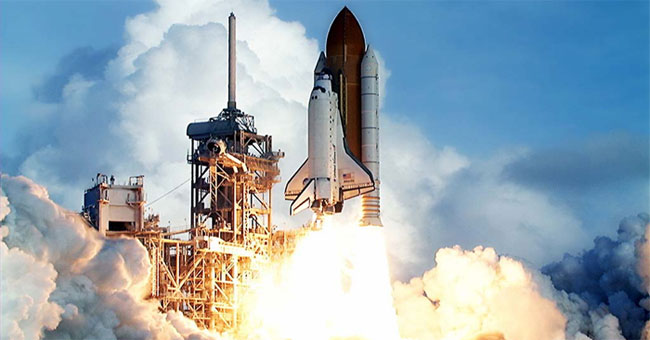
Naveen Jain, founder of Moon Express, said he believed Moon travel could be done in just a decade.
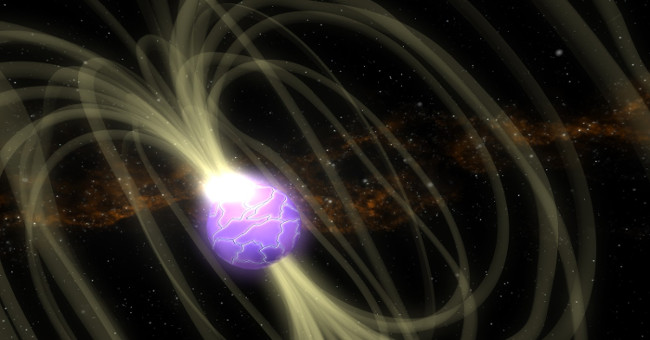
American scientists first discovered the strong release of gamma-ray radiation accompanied by radio waves in very short time.
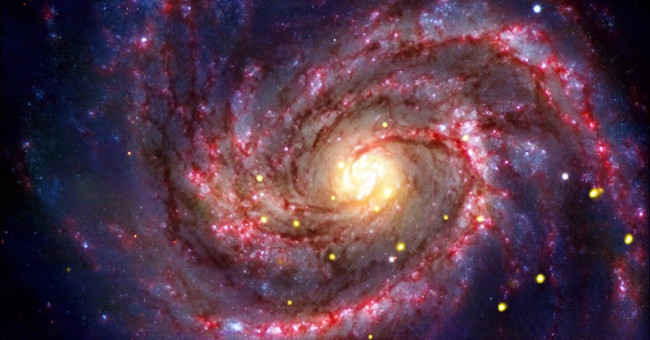
This idea has been around since 1990, but it has not been officially tested yet.
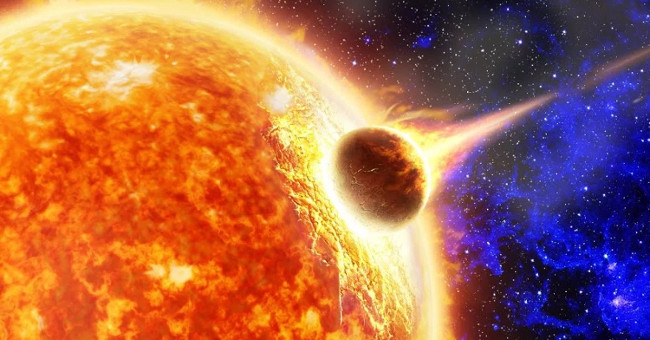
The consequences of comets hitting the Earth are so well known. But what if the Sun becomes a victim?

In many fantasy films, people born on Mars will have weaker bones than normal, so they won't tolerate gravity on Earth.
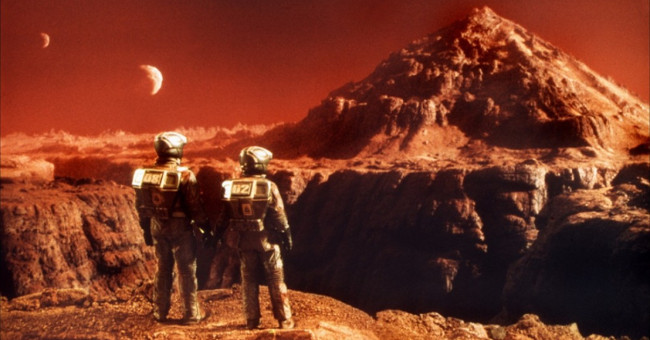
Astronauts traveling to Mars face the risk of long-term damage to the brain and even loss of memory due to exposure to galactic cosmic rays.
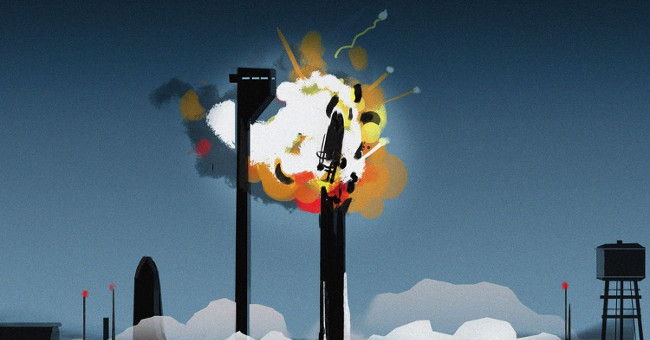
American billionaire Elon Musk dreams of bringing people to Mars, but still hesitates, because there are too many potential dangers to avoid.
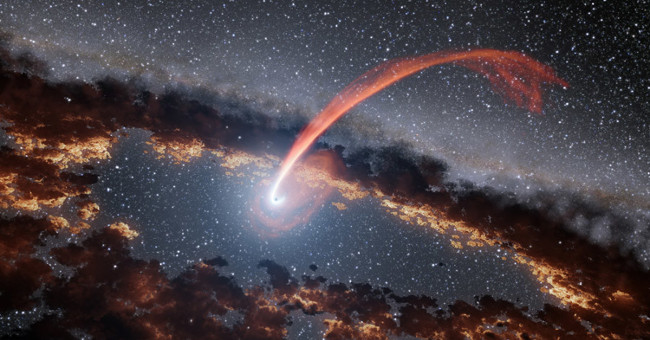
For the first time in history, astronomers have recorded the massive flow of radiation emanating from the black hole of the universe, after it

Red vines are placed in Thien Cung 2 space station to be exposed to cosmic radiation to find the best gene mutation for good wine.
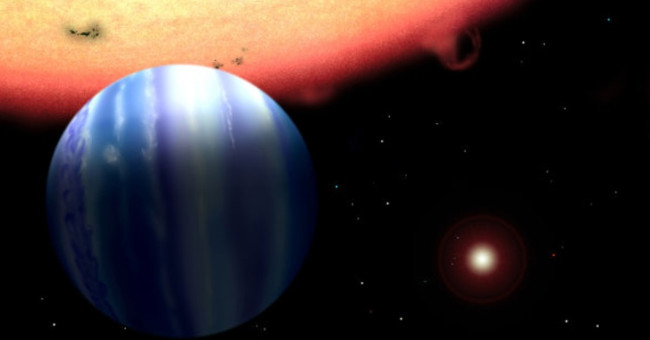
Scientists say they have discovered a planet the size of Jupiter, which has water in its atmosphere, thanks to the application of new technology in space research.
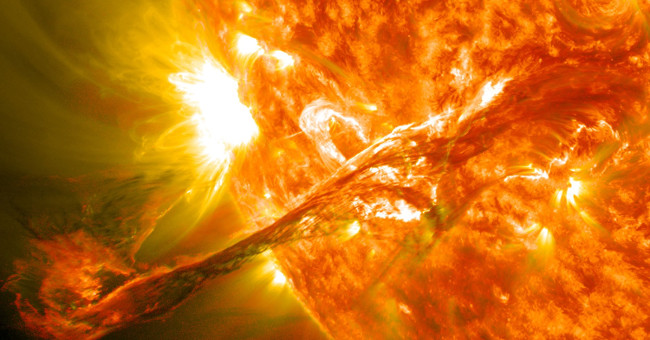
The world almost went through a nuclear disaster after a Sun storm interfered with radar and interrupted radio signals at the coldest time of the Cold War.
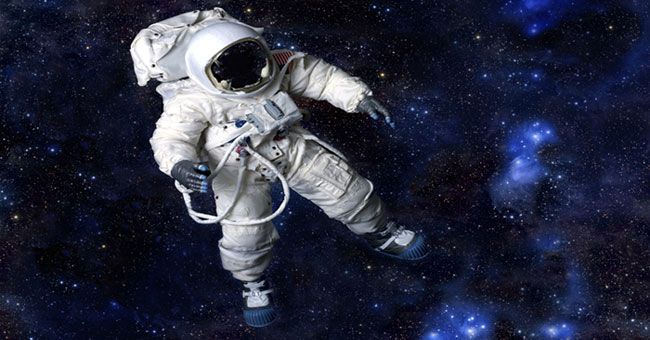
The first in-depth study of the long-term effects of space travel shows that 43% of astronaut deaths are due to cardiovascular problems.