Space science
Announcing the final images Rosetta captured before
In 2004, the European Aviation Agency (ESA) launched an ambitious space mission named Rosetta.
Browse ScienceInfo articles and explainers related to Rosetta Spacecraft.
12 published items.
In 2004, the European Aviation Agency (ESA) launched an ambitious space mission named Rosetta.

In 2015, scientists announced the discovery of oxygen molecules on comets 67P / Churyumov-Gerasimenko, based on the observations of Rosetta spacecraft.
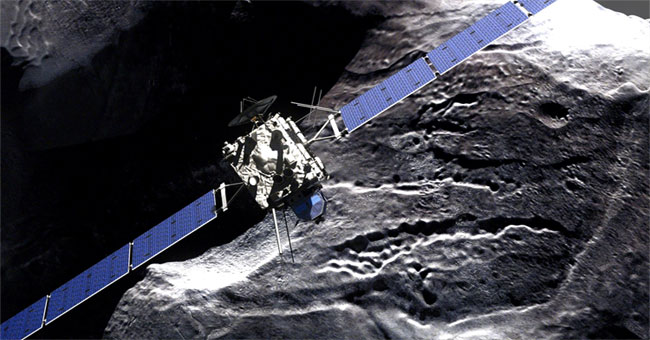
Scientists are preparing to farewell the spacecraft to probe the Rosetta comet when the device hits the comet, ending the 12-year mission in the universe.
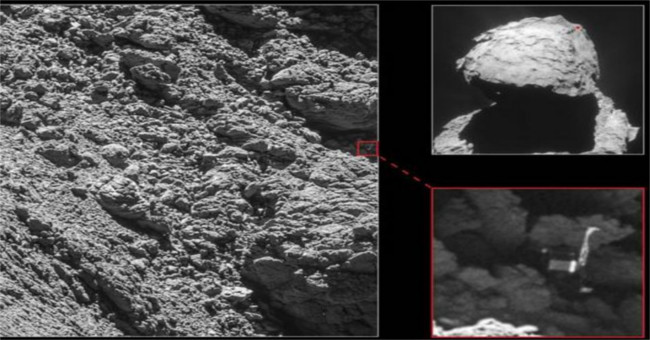
Scientists discovered that the probe robot Philae was stuck in the crack in the comet through a photograph of Rosetta's mother ship.

The Rosetta spacecraft took 10 years to cross the journey of more than 6 billion km to bring the robot Philae to land and study comets 67P / Churyumov-Gerasimenko.
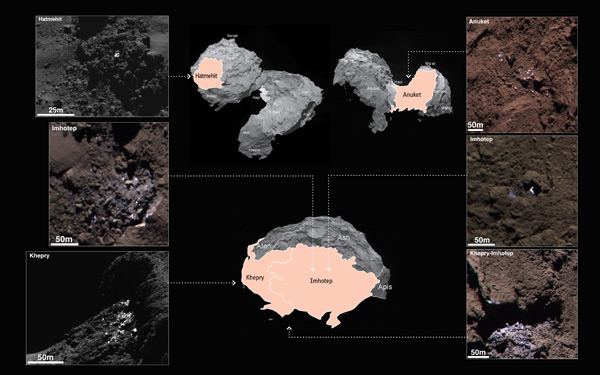
The Rosetta spacecraft, currently in a trawl around comet 67P / Churyumov - Gerasimenko, has detected 120 light spots on the comet surface with an area of at least 2m.
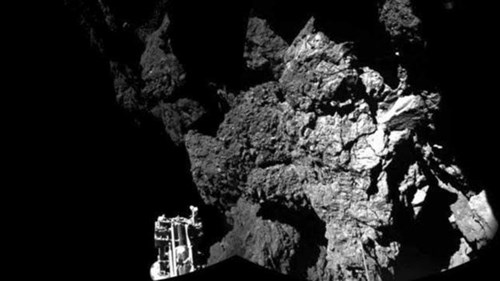
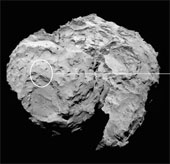
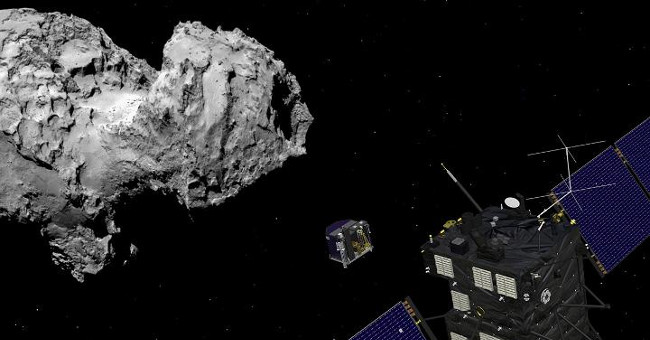
The European Rosetta spacecraft, on November 12, will drop a probe landing on a distant comet in the universe.
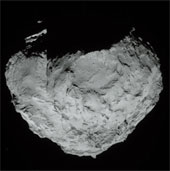
The Rosetta spacecraft published some unexpected features about comet 67P / Churyumov-Gerasimenko as it turned around in its cold journey.
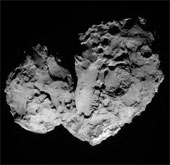
The area 4 km above the top of the comet 67P / Churyumov-Gerasimenko will be the landing point of the Philae probe of the Rosetta spacecraft.
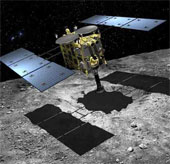
Japanese space scientists have announced the rival of Rosetta: the Hayabusa-2 spacecraft will chase the asteroid and land on the target, take samples and return to Earth.
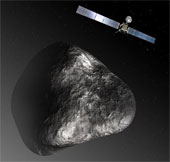
Following the 10-year-long 6-billion-kilometer journey, the European Space Agency's (ESA) Rosetta spacecraft finally reached a comet on August 6.