
New technology
For the first time in the world, a large automatic ferry runs 240km in the Sea of Japan
The 222m-long Soleil ferry reached a maximum speed of 48km/h when testing autonomously on the Iyonada sea, even performing the docking itself.
Browse ScienceInfo articles and explainers related to SEA.
3,672 published items.
The 222m-long Soleil ferry reached a maximum speed of 48km/h when testing autonomously on the Iyonada sea, even performing the docking itself.
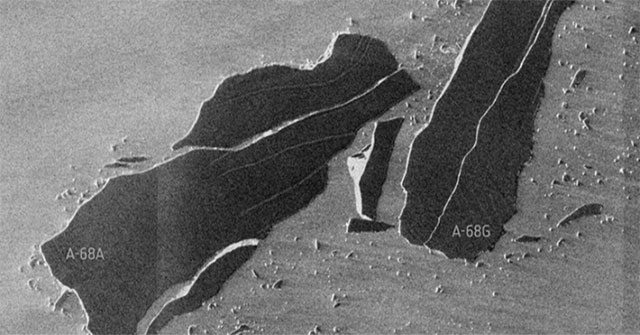
Iceberg A-68A releases large amounts of fresh water and nutrients into the sea, which can affect surrounding ecosystems.
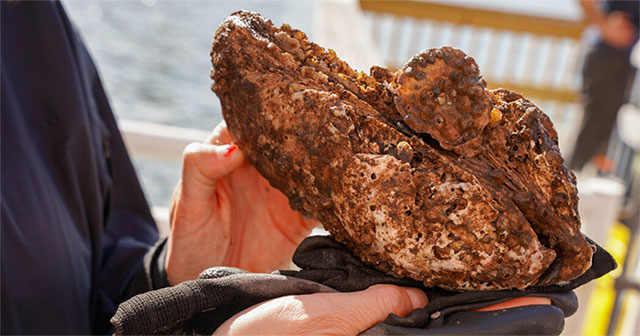
New York City (USA) has restored 'oyster reefs' in 5 counties, creating a surprisingly effective flood defense system.
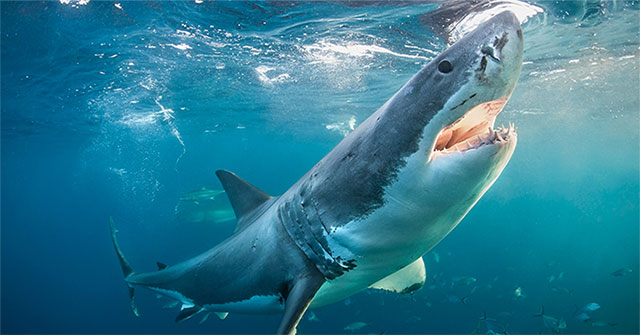
You may not know when the full moon rises, a lot of strange things happen on Earth: corals lay eggs, zooplankton dive deeper, seabirds perch near the shore, lions also h…
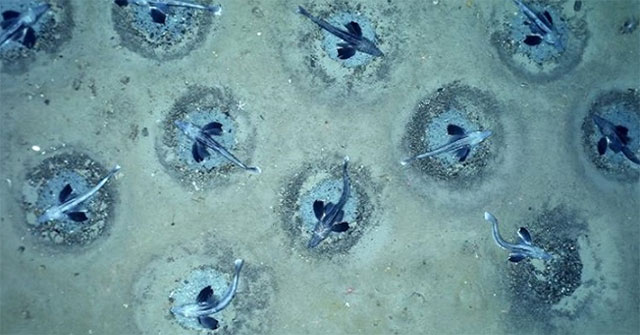
Researchers discovered a huge population of ice fish (notothenioids) in the Weddell Sea south of Antarctica in a report published January 13 in the journal Current Biolo…

Engineers have developed a system that combines multi-wing drones and underwater drones that can be used for underwater maintenance inspection and search and rescue.
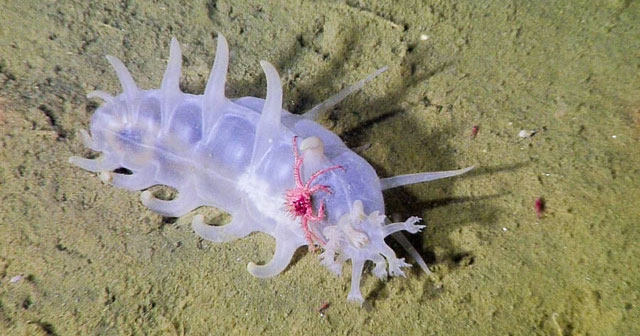
When it comes to manatees, many people will immediately think of large sea mammals weighing up to hundreds of kilograms, living entirely in the water, mainly eating plan…

Sea snails, river snails, farmed snails... are all human favourites. However, the fragrant ginger, lemongrass, and lime leaves make us not care much about whether snails…

In 1972, a young ecologist named Hjalmar Thiel ventured to a remote region of the Pacific Ocean known as the Clarion-Clipperton Zone (CCZ).
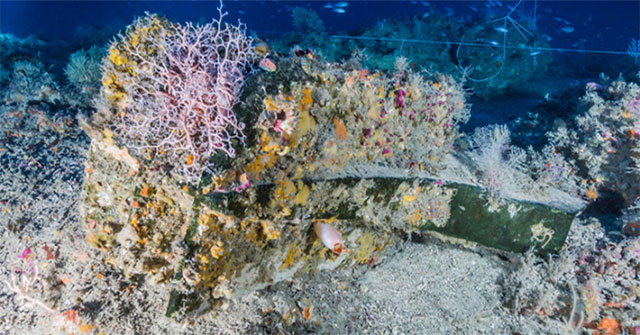
After being submerged for a long time under the sea, the wreck became inhabited by a diverse and structurally complex biome.
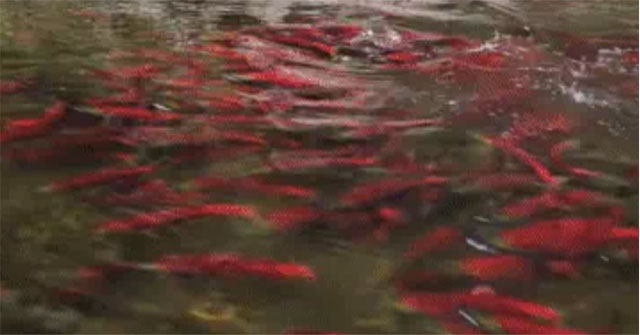
Hundreds of visitors were attracted by this great event.
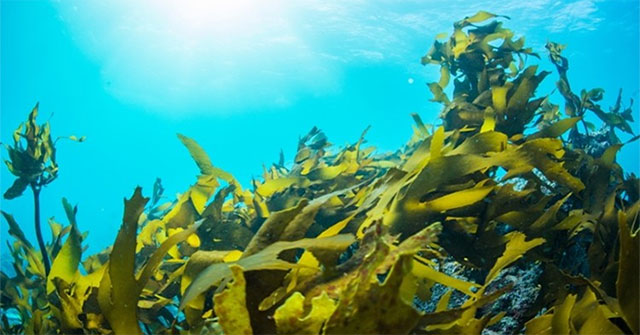
The researchers used the seaweed species Ulva, commonly known as sea lettuce, as a new photosynthetic source for electric current, which generates molecules that transfe…
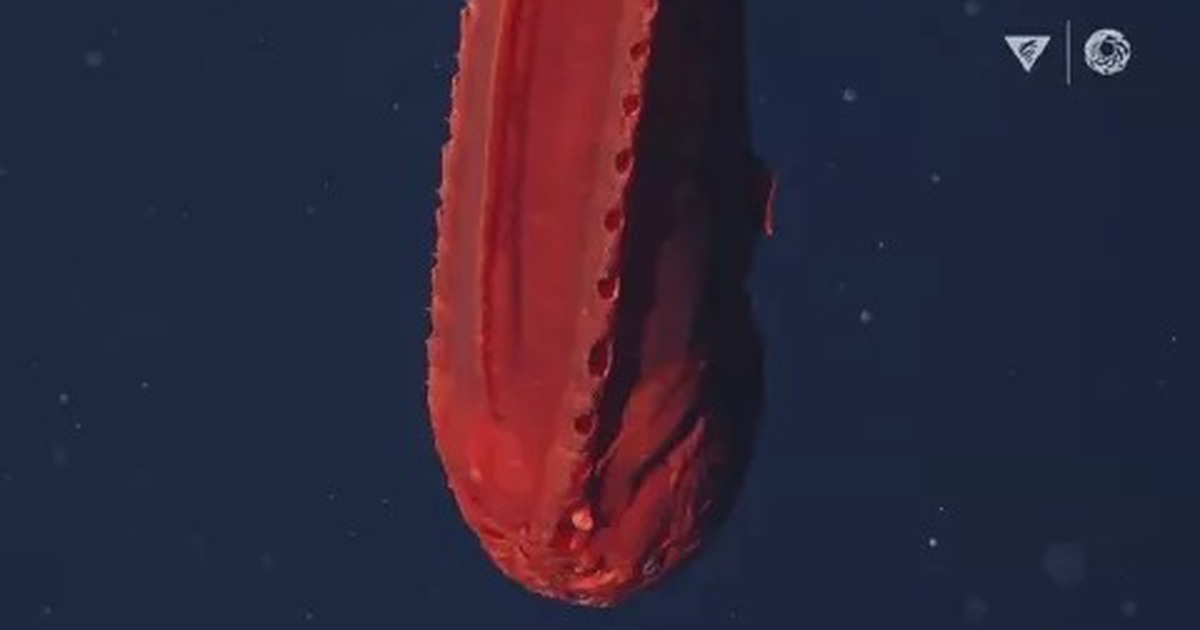
Shapeshifting fish, giant ghost jellyfish, creatures with 'invisible' heads will make you amazed when you see them for the first time.
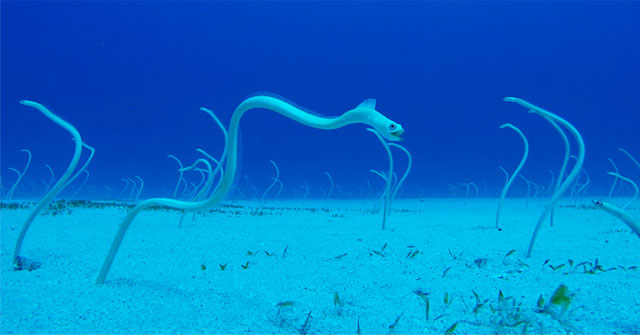
Hawaiian garden eels hide in sand burrows on the sea floor, emerging only to eat zooplankton and then back down when they detect danger.
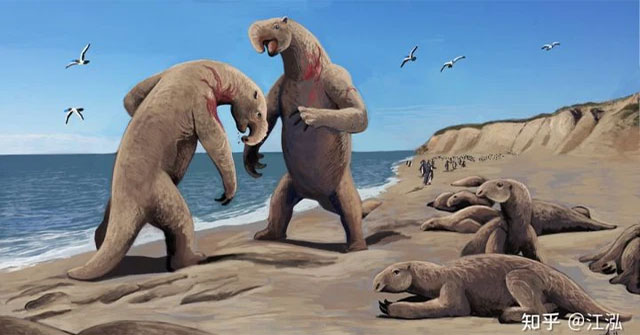
They are large mammals, appearing 7 million years ago, but after 4 million years, they completely disappeared because of changes in the environment.