Environment
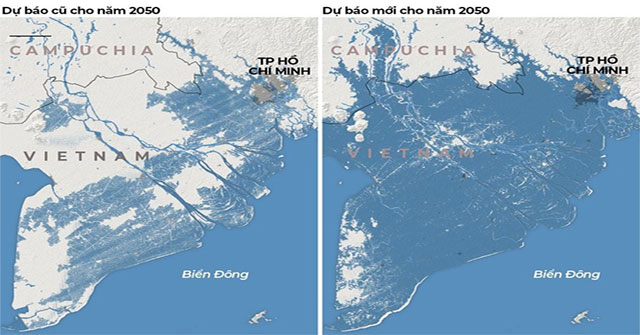
Nature: In 2050, almost the whole South is submerged under the tide
New research indicates rising sea levels will worsen coastal areas. By 2050, much of South Vietnam will be submerged at the peak of the tide.
Browse ScienceInfo articles and explainers related to SEA.
3,672 published items.
New research indicates rising sea levels will worsen coastal areas. By 2050, much of South Vietnam will be submerged at the peak of the tide.

This finding may explain some of the side effects of drugs that block potassium pathways, such as cardiovascular and high blood pressure medications, and allow the prepa…
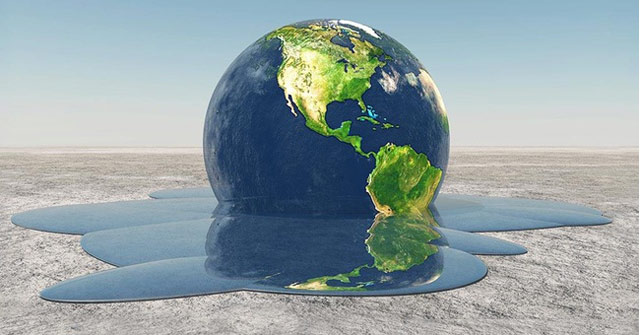
Summary of UN Special Report on Climate Change: Those who live in the 21st century must read it
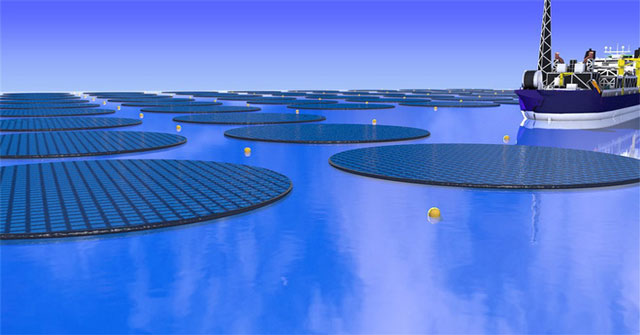
Floating solar farms will solve three issues on one hand: energy, greenhouse gases and scenes that depend on fossil fuels.
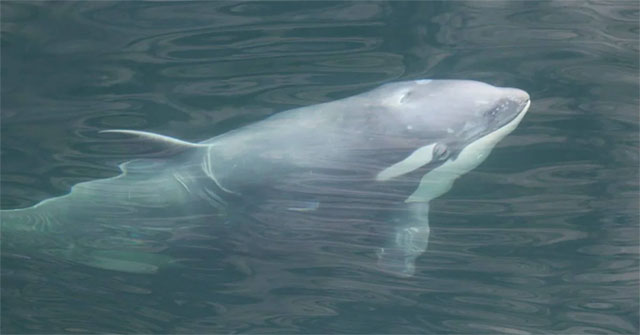
Special-colored killer whales appear with the flock while hunting sea bass and sea lions off Washington state.

The photographer encounters a group of about 10,000 rays on a 4-hour swim.
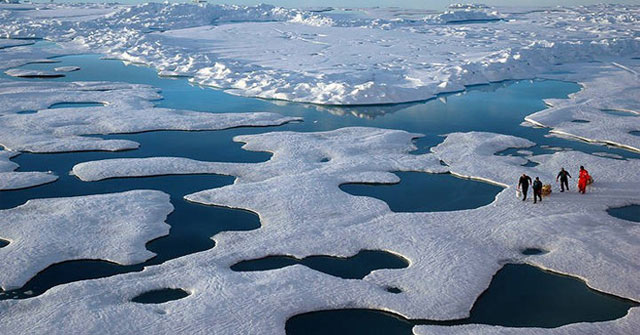
Freezing on Earth, 99% is at 2 poles, 1% is inland. And any part that melts, mankind has suffered terrible consequences.
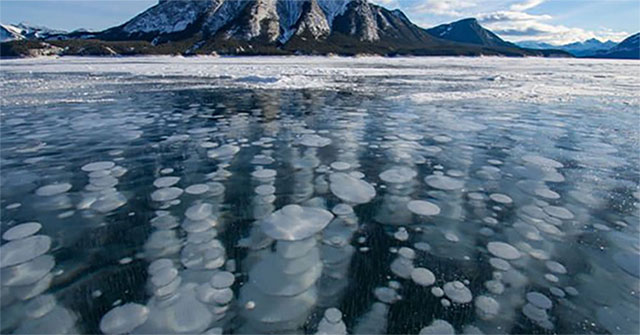
Russian scientists have discovered a sea of dense air bubbles under the ice that looks like boiling water in the Arctic sea.
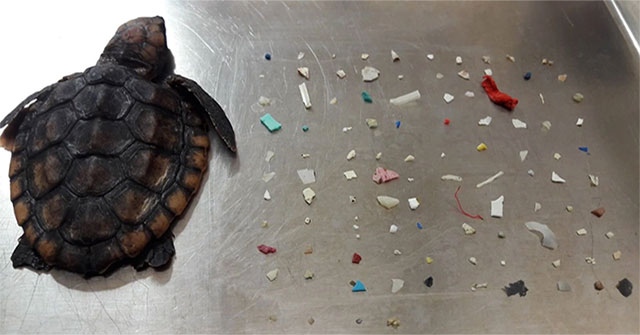
Recently, the Gumbo Limbo Nature Center in Boca Raton posted a picture of a dead turtle and hundreds of small pieces of plastic removed from its gut.
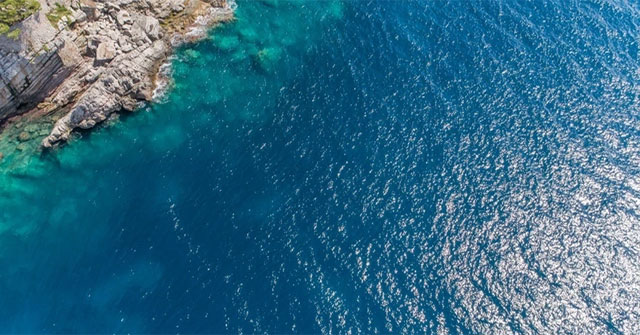
If the sea is no longer salty, the ecosystem will be turned upside down. At the same time, the weather will become more severe for humans.
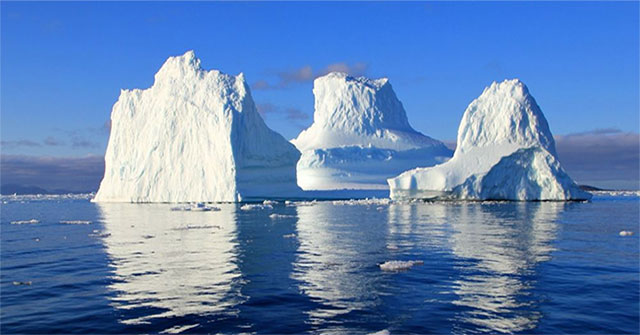
Scientists believe that by 2100, the worst-case sea level could rise by 1 meter.
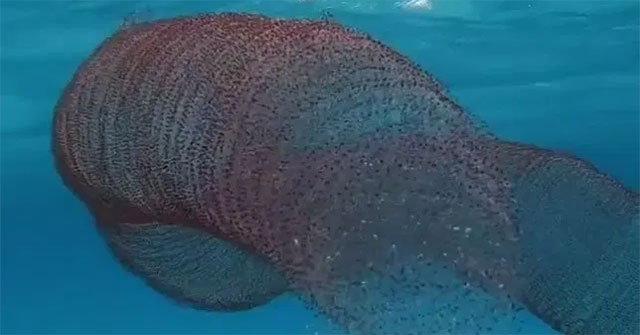
Divers come across a giant nest of squid eggs floating in water near the Great Barrier Reef.
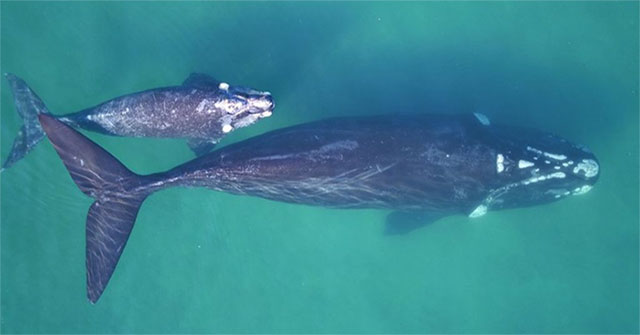
500 years ago, Luong Luong The Vinh solved the elephant weight puzzle of the Minh porcelain by dragging an elephant into a boat and measuring the water line. Now, to sol…

Google Doodle today 6/10 honors poet Xuan Quynh, a Vietnamese female poet with much dedication to the country's literature.
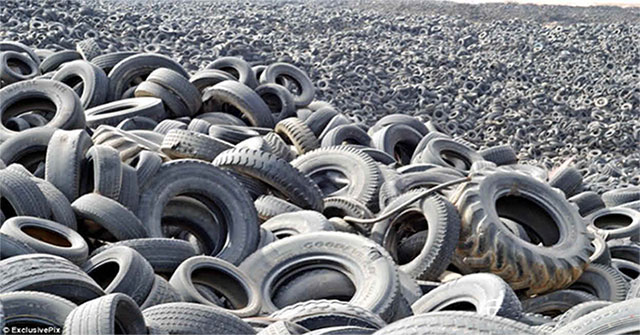
Tires are made of natural rubber and rubber, so it is unlikely that it will be the culprit for spreading 28% of the total amount of micro-particles into the ocean, contr…