1001 mystery
The mysterious Sargasso algae
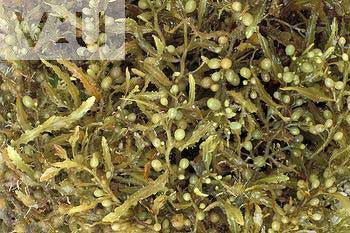
Sargasso algae, also known as horsetail algae, are seaweed. Usually algae have roots, grow in stone mill at the bottom of the sea. But the Atlantic hippocampus is differ…
Browse ScienceInfo articles and explainers related to Sea.
3,672 published items.
Sargasso algae, also known as horsetail algae, are seaweed. Usually algae have roots, grow in stone mill at the bottom of the sea. But the Atlantic hippocampus is differ…
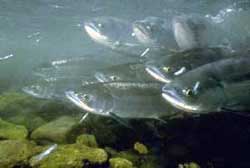
Salmon is a well-known fish, they lay eggs in fresh water, with children only live for a short time in the river and swim to the sea to live. When they grow up, return t…
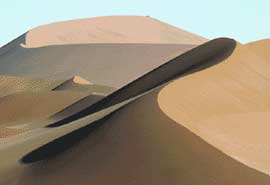
The Sahara of Africa is the largest desert in the world, where there seems to be no vegetation, no water but only a yellow color of sand. But recently, the United Nation…

In the early eighteenth century, a series of ancient maps of the Turkish Navy Commander - Ruis kept at the Tokabi Palace was discovered. Among them, the topographic map…
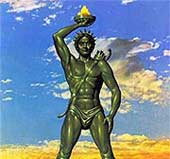
Rhodes Island is located on the sea of Égée, west of Greece (mainland) 4,500m, 19,000m north of Turkey. The Greek island of Greece is 14,000 square kilometers with a p…

Aino people are a strange white race that lives in the North Sea - Japan. This person has a typical European body. But strangely, they lived in the middle of Asia for th…
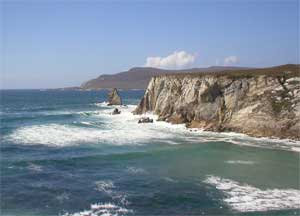
For a long time, there was a prophet who made a prediction: Atlantic Island - the mysterious island sunk to the bottom will eventually appear near the Bahama Islands in…

Along with the advancement of human history and the development of science, we can completely solve human genetic maps, even managing and developing people themselves. B…
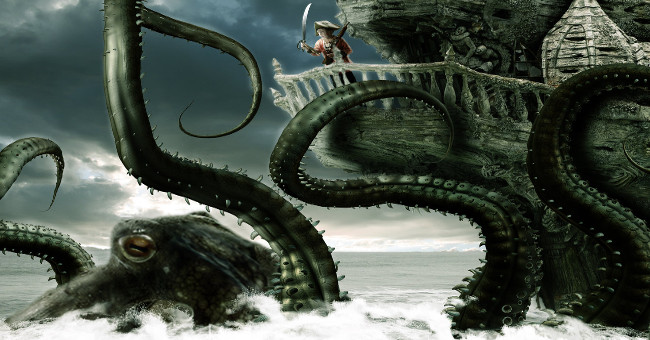
The world has many strange things that people have not discovered. Besides, people also contribute to the mystery of strange creatures through rumors.
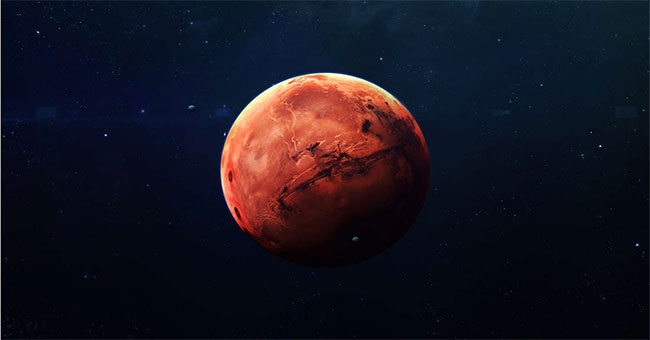
In some locations, oxygen is sufficient for multicellular organisms such as sponges to live. The study was published in the October issue of Nature Geosciences.
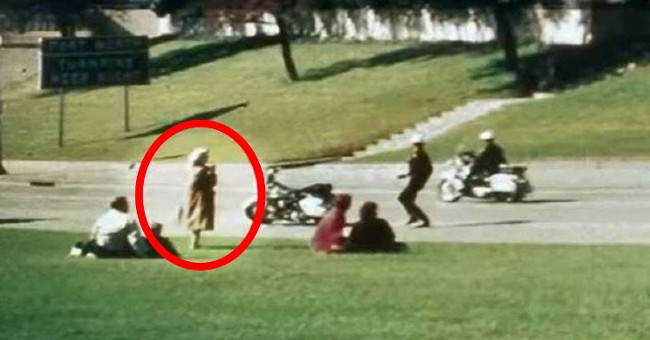
These are mysterious images, containing strange stories and so far have not determined the authenticity of these works.

Japan's gruesome island is honored by UNESCO as a World Cultural Heritage. To do that, of course is a constant effort.

Unesco's Scientific, Educational and Cultural Organization has recognized Surtsey Volcanic Island of Iceland as World Natural Heritage 2008.
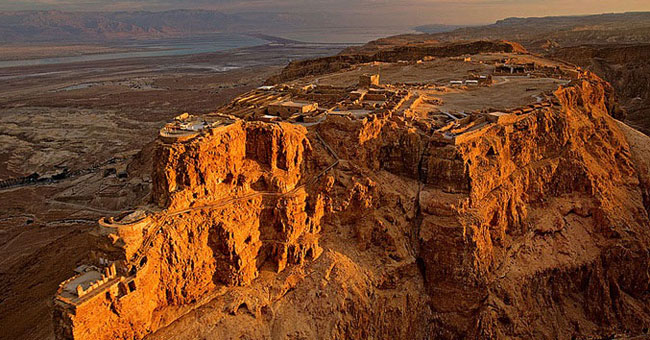
The United Nations Science, Education and Culture Organization has recognized Israel's Masada fortress as a world cultural heritage in 2001.
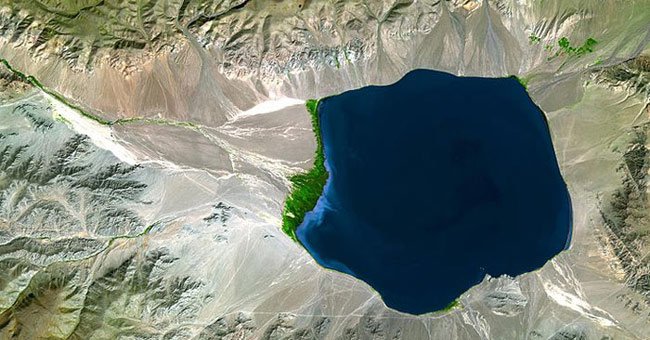
The United Nations Educational and Cultural Science Foundation has recognized Mongolia's Uvs Nuur Basin as a World Natural Heritage in 2003.