Environment
Japan studied the origin of earthquakes
A scientific team of top Japanese seismologists has set sail on the Chikyu drill ship with the task of drilling deep into the seabed to study the origin of the earthquak…
Browse ScienceInfo articles and explainers related to Seabed.
219 published items.
A scientific team of top Japanese seismologists has set sail on the Chikyu drill ship with the task of drilling deep into the seabed to study the origin of the earthquak…

The Ministry of Environment of Japan on September 5 said that from the spring of 2014, specific locations on the submarine stratum will be made to implement the plan to…
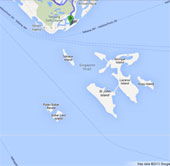
In order to diversify power sources and meet increasing domestic demand, Singapore is actively researching to produce electricity from ocean waves.
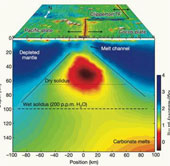
American scientists say they have found a lake of magma deep in the Pacific shelf, in an effort to trace the formation of the seabed in the future.
Japanese researchers have found a huge source of rare earth in the Pacific Ocean, with the concentration of this precious mineral in soil 30 times higher than that of Ch…
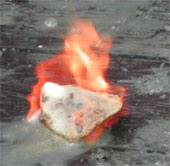
On March 12, Japan's Ministry of Economy, Trade and Industry said the country extracted natural gas from a new energy source called methane hydrate (also known as ice bu…
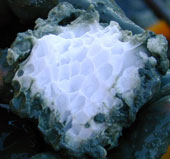
A large amount of bio-carbon on Earth is stored under the seabed as methane hydrate, a frozen mixture of methane and water.
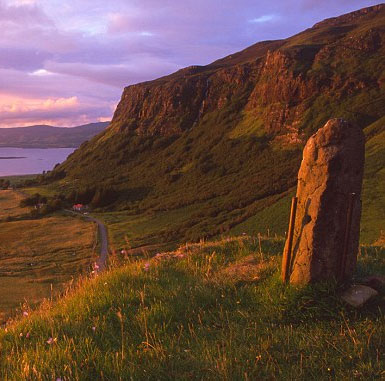
The Ardmucknish Bay Area in Benderloch, Scotland has been selected to pilot this 'world salvation' technology, DailyMail reported. First, experts will find ways to 'capt…
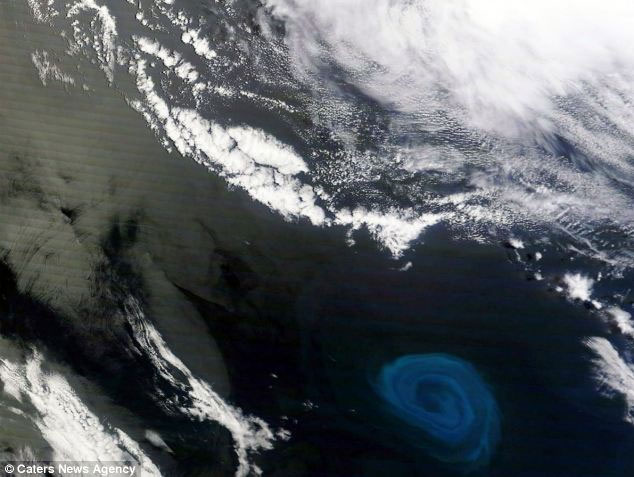
A NASA satellite has just released photographs that stunned viewers on a massive
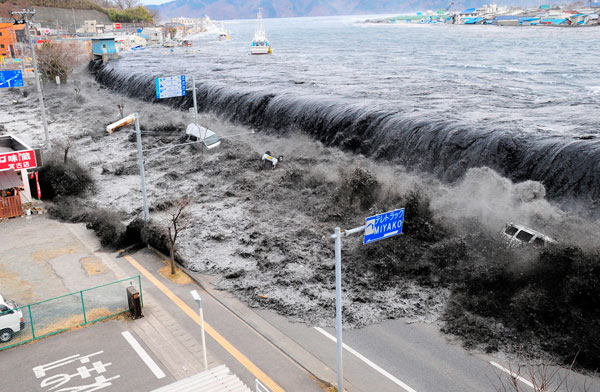
According to AFP, on March 8, scientists deployed a seabed research program off Japan, where a strong earthquake struck the tsunami last year, to observe the disturbance…
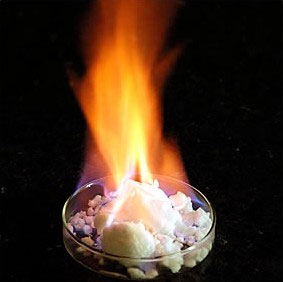
On February 15, Japan National Petroleum and Petroleum Group (JOGMEC) began drilling for the trial operation of Methane Hydrate in Pacific waters off Aichi Prefecture, C…
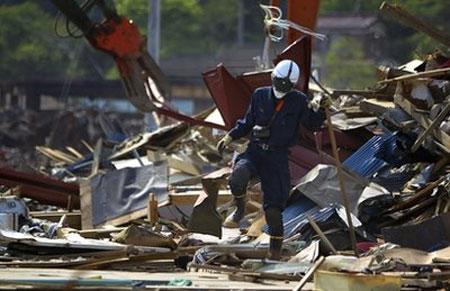
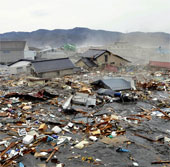
The historic earthquake in Japan on March 11 caused the sea floor to move up to 24 meters in the direction from east to west.
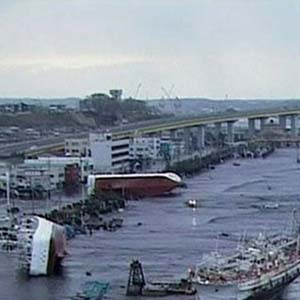
Seismic ocean floor can only create tsunamis under certain conditions.
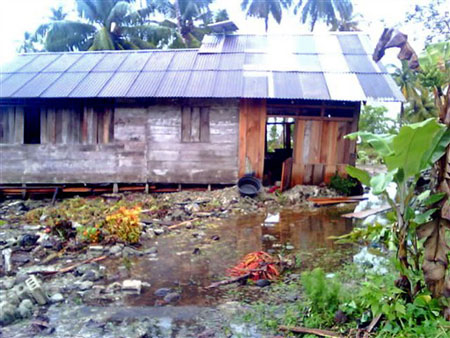
A tsunami is likely to occur if an earthquake causes the sea floor to move vertically.
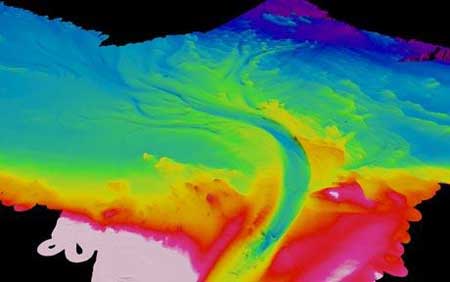
British scientists found a huge river flowing under the Black Sea bottom while exploring this sea by small submarines.