Archeology
Mysterious treasures in Roman town buried with jewels, dolls and miniature skulls
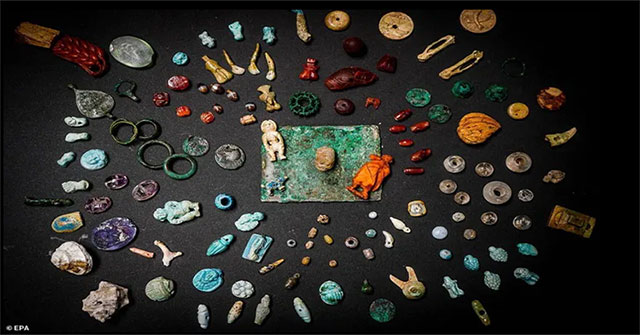
Massimo Osanna, Pompeii's website manager, announced the news of this mysterious treasure to Italian media last day.
Browse ScienceInfo articles and explainers related to Skull.
388 published items.
Massimo Osanna, Pompeii's website manager, announced the news of this mysterious treasure to Italian media last day.
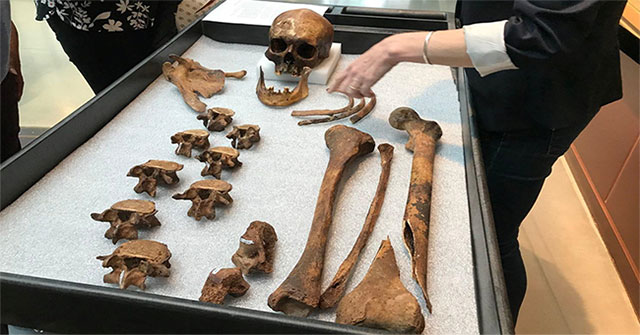
John Barber was said to be a 'vampire' by his contemporaries, however, in fact, he was just a normal farmer and died of tuberculosis.
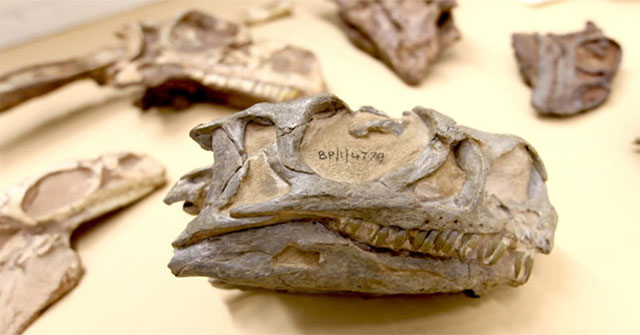
A new dinosaur has been discovered, after being mistakenly identified and kept in a museum collection for several decades.

From the appearance of a transformed face behind the skulls of some people until we are surprised to learn that our elbows are getting narrower, our skeletons are actual…
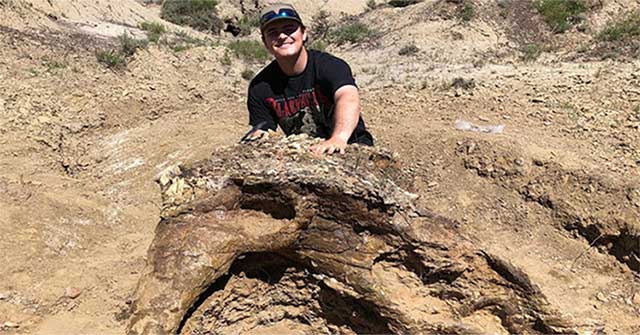
A University of California student has just made a discovery to life, when he found the skull of a Triceratop dinosaur that lived about 65 million years ago.
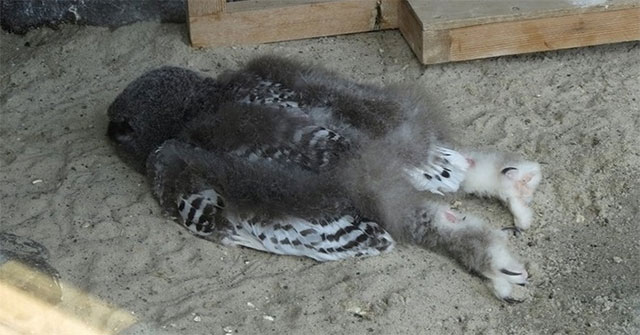
The animal world always contains surprises that you have never heard in school. The following 15 photos will show you this.
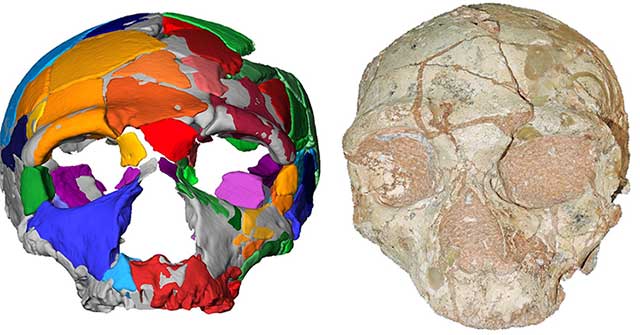
The 210,000-year-old skull analysis found in Greece showed that Homo sapiens migrated to Europe much earlier.
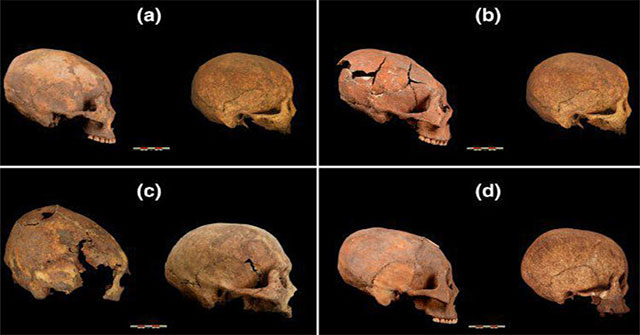
The infant's skull is shaped by using two hands or clamping two splints, fixed with a cloth wrapped around for a long time.
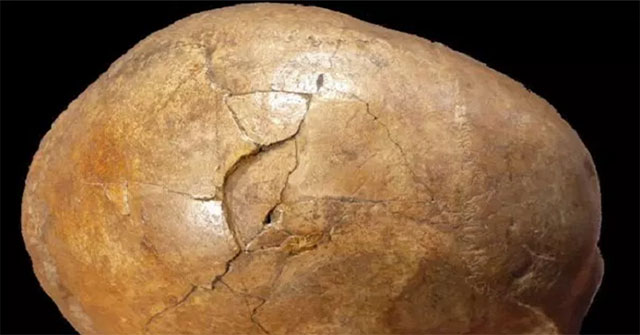
The first cracked 33,000-year-old skull found in Romania by miners in 1941 was a mystery that caused archaeologists a headache, but recent research has revealed the trut…
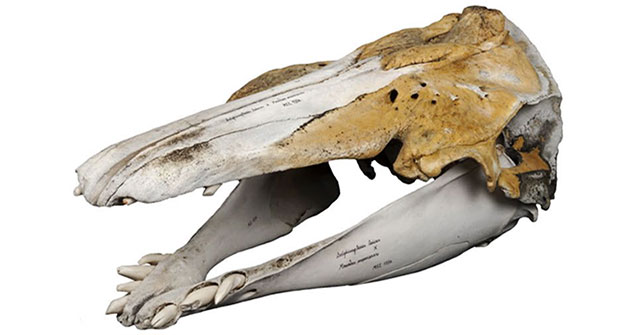
The analysis shows that whale skulls stored in a museum in Denmark belong to crosses between two Arctic whales.
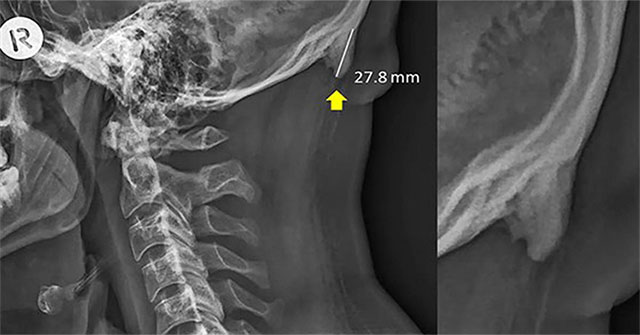
Using many smart phones and portable electronic devices makes small spines appear in the area behind the neck, near the skull.
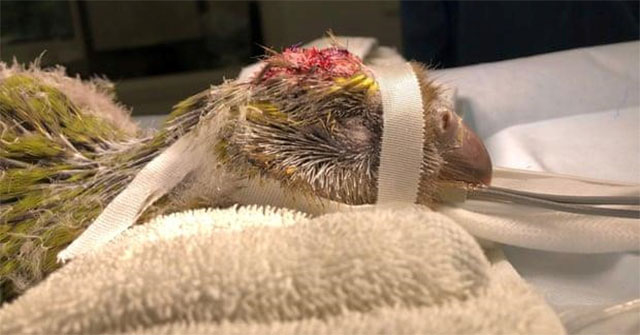
For the first time in the world, New Zealand doctors have applied human anatomy to brain surgery for a young kākāpō parrot with birth defects.
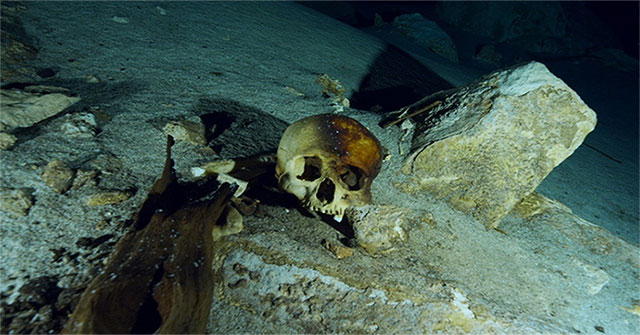
The story of a horror sacrifice hidden behind a human skull was discovered in the Mayan tomb of the Central American nation of Guatemala.
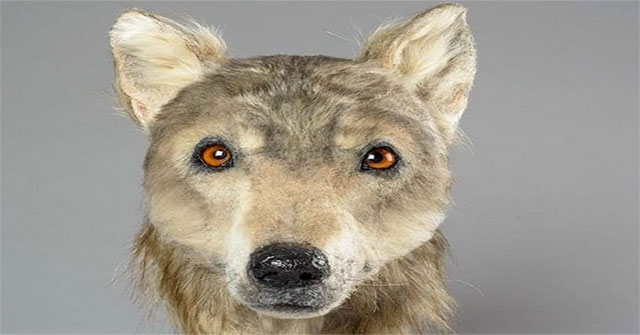
The reconstruction is based on the skull of an ancient dog discovered in the Orkney Islands.
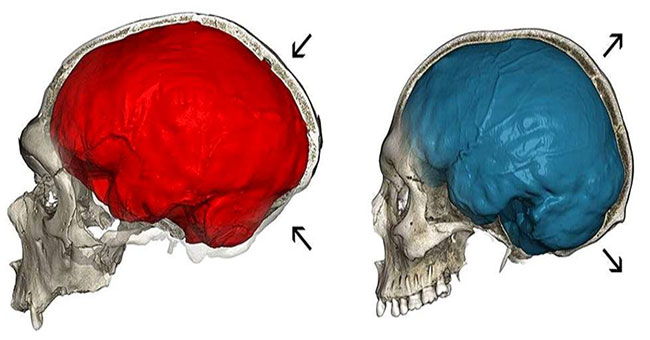
Those with two Neanderthal genes, their heads are slightly flatter and longer - like Neanderthal heads.