
Biology
Weapons of the world's most rotten flowers
Titan arum has been dubbed the world's most sniffling flower, because it produces chemicals that smell rotting corpses.
Browse ScienceInfo articles and explainers related to Smell.
476 published items.
Titan arum has been dubbed the world's most sniffling flower, because it produces chemicals that smell rotting corpses.
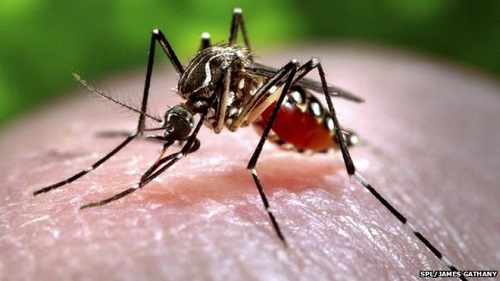
Scientists hope to create traps of bacteria that cause foot odor to kill mosquitoes carrying malaria parasites.
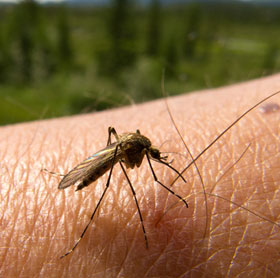
A group of scientists working in the United States is developing an effective and much cheaper mosquito repellent than the one currently used.
A Portuguese designer has created a device that can detect cancer using honey bees.


Thanks to genetic engineering, scientists created purple tomatoes, which are better than regular tomatoes and bring many benefits to human health.
American scientists at Rocckefeller University have devised a way to transform mosquito genes, neutralizing their sense of smell for humans, making them not looking for…

Experiments carried out in the laboratory showed that malaria-carrying mosquitoes were three times more excited with the smell of dirty socks than those of non-pathogeni…

Hundreds of people flock to a botanical garden in southeastern Brazil to admire the Titan calf tree, the largest tropical flower and the most intense, once rare

Australian researchers unknowingly created a new coconut-like pineapple variety, according to AFP news published on December 5.


This exotic flower originates from equatorial tropical forests in Sumatra Province, western Indonesia, and is technically named Indonesia's Giant Calf Tree (Amorphophall…

On an island off the coast of Madagascar, Greg Wahlert - Ph.D. botanist from the University of Utah has discovered a new flower up to 1.5 meters tall and blooms once a y…

The ant nests, one of the oldest and most effective social structures, can together form an integrated memory of their opponents. Experts at the University of Melbourne…

Insects have a very keen sense of smell. With extremely low odor molecules in the air, it is enough for them to be identified by neurons on the antennas.