Space science
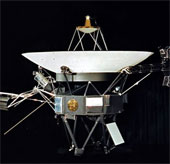
Voyager 1 was out of the solar system
US scientists on September 12 confirmed NASA's Voyager 1 probe was out of the solar system, marking the first time a human spacecraft has gone so far.
Browse ScienceInfo articles and explainers related to Solar System.
420 published items.
US scientists on September 12 confirmed NASA's Voyager 1 probe was out of the solar system, marking the first time a human spacecraft has gone so far.
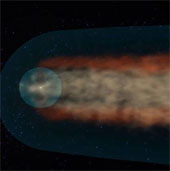
The US Aeronautics and Space Agency (NASA) said one of its spacecraft had long suspected that the solar system had a tail like a comet.

On June 27, NASA announced that the Voyager 1 spacecraft flew to the outer edge of the solar system and will operate here for months, even years.
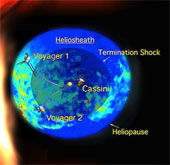
The ship is part of the Voyager project, which includes two Voyager-1 and Voyager-2 twin probes, launched by the US Space and Aeronautics Agency (NASA) from May 9, 1977.
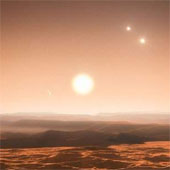
The Glise 667 C solar system near us has 7 planets, 3 of which are
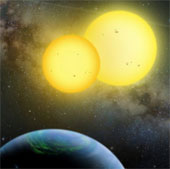
The solar system has two solar Tatooine like in the film
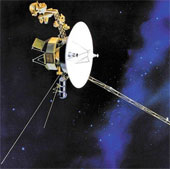
Scientists' statement appeared in an article in Geophysical Research Letters. According to the article, Voyager 1 is more than 18 billion kilometers from Earth.
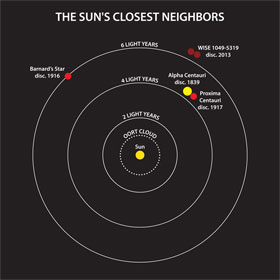
An American astronomer said he had found a pair of new stars lying close to the solar system, and also the nearest neighbor to be discovered since 1917.
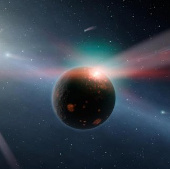
American astronomers say they have discovered six possible objects, comets around distant stars, a sign that comets are also popular out there rather than a special feat…
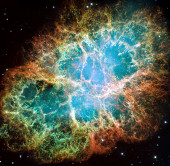
New research results are challenging the current hypothesis about the formation of the solar system, which suggests that a supernova explosion has triggered everything.
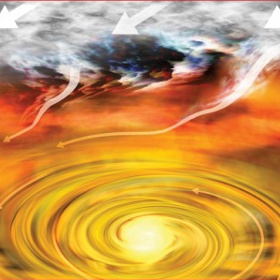
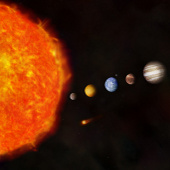
Although no evidence of extraterrestrial life has yet been given, the Ohio University team believes that they are about to find a planet that is more suited to the earth…
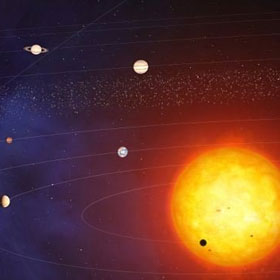
The meteorite belts are one of the ideal places in the Solar System that can find life, according to a newly published scientific hypothesis.

A newly discovered comet may be one of the brightest objects in the night sky when it approaches Earth next year.