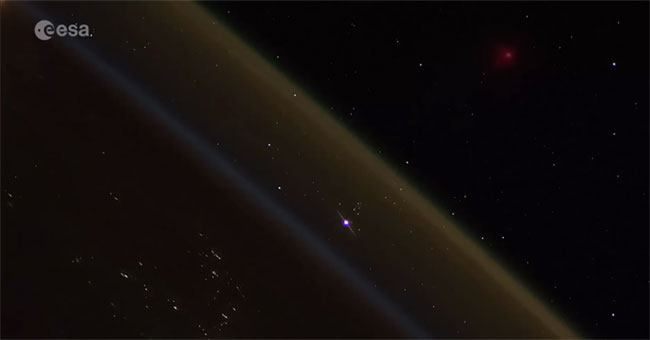
Space science
The process of spacecraft launching into orbit looks from space
The sight of the Russian spacecraft carrying more than 2,500 kg of goods leaving the Earth recorded by astronauts on the International Space Station (ISS).
Browse ScienceInfo articles and explainers related to Spacecraft.
1,157 published items.
The sight of the Russian spacecraft carrying more than 2,500 kg of goods leaving the Earth recorded by astronauts on the International Space Station (ISS).
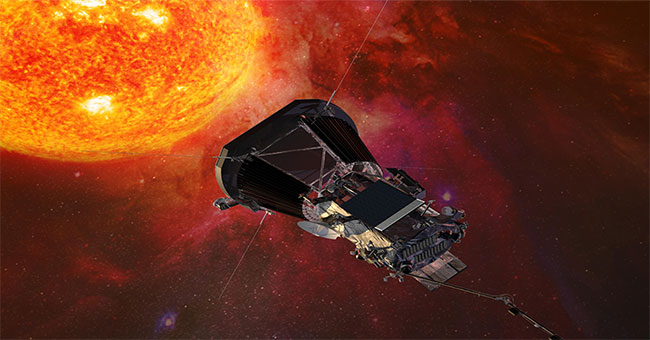
This week, the Parker Solar Probe space probe will become the man-made object approaching the nearest Sun ever.
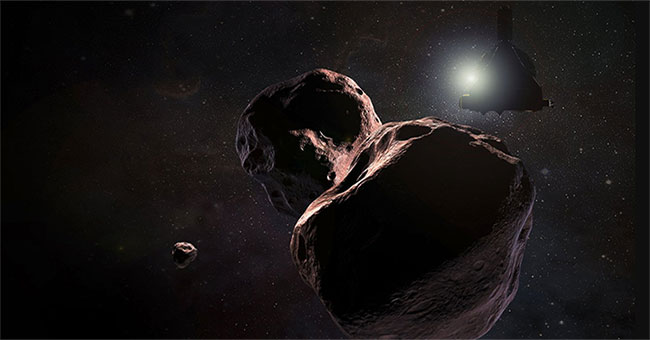
This object was originally named 2014 MU69, a strange space rock with a diameter of about 37km but there may be up to 2 moons orbiting around.
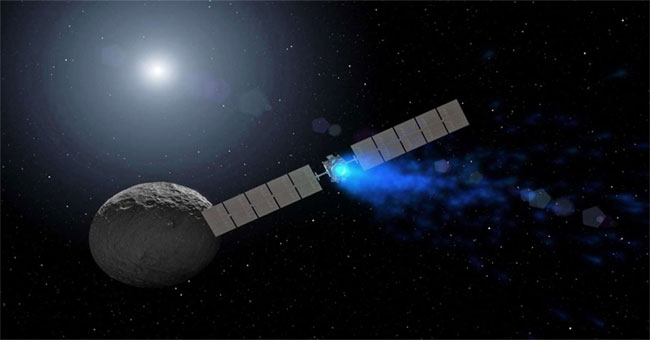
Spacecraft Dawn finishes the mission of studying 11-year space with lots of valuable images and scientific information.
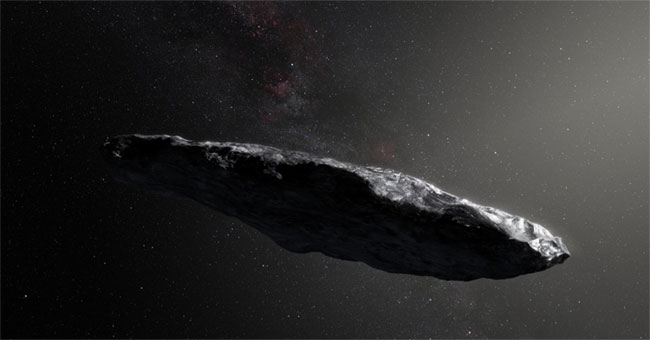
When the asteroid moved out of the Solar System in September 2017, it suddenly accelerated instead of slowing down according to calculations.
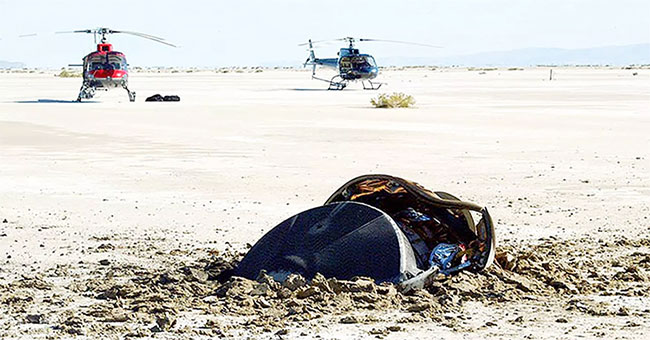
The bay-like vessel crashed into the Utah desert and was photographed by NASA after radar tracking and chased by helicopter.

NASA announced the Earth image recorded by the Parker spacecraft with a special camera on September 25, Fox News reported.
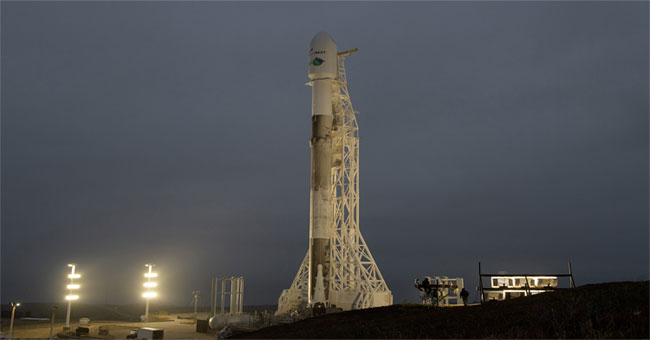
On October 5, the US Space Agency (NASA) fixed the time for the first flight of the crew to the International Space Station (ISS) with two spacecraft from SpaceX and Boe…
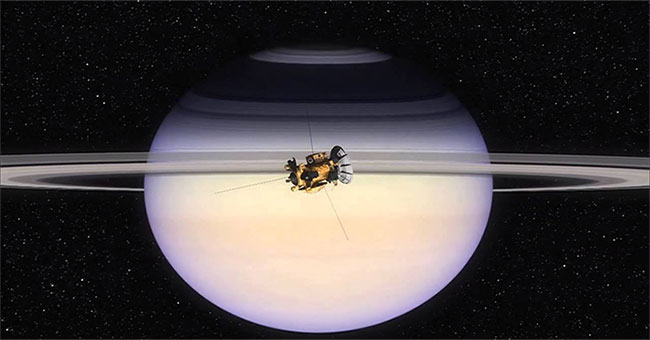
In the last days of the mission to fly around Saturn, the Cassini space probe has recorded the flow of molecules scientists call

Billionaire Richard Branson and his company Virgin Galactic are known to be making great strides in the race to commercialize the space tourism industry with Blue Origin…
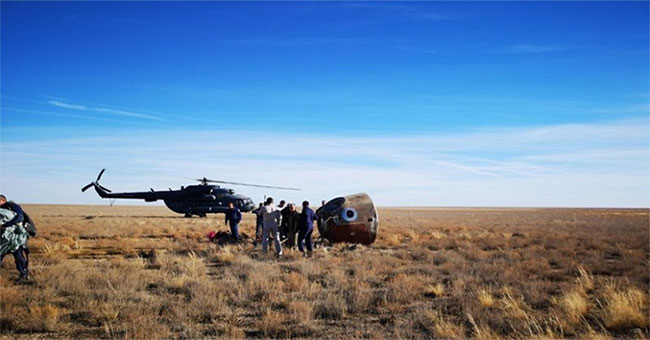
The rocket encountered a problem during the launch of the Soyuz MS-10 spacecraft, which caused the crew to make an emergency landing.
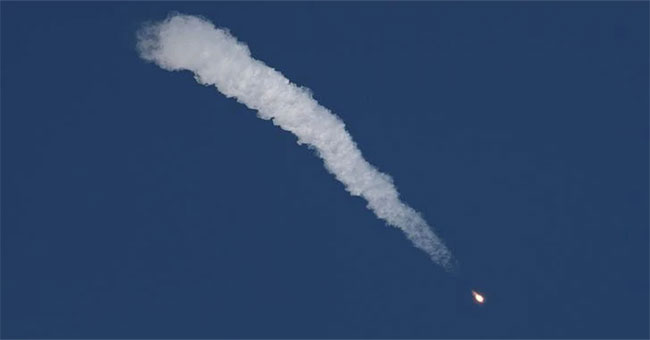
Russia's Soyuz spacecraft transports two new members to the International Space Station (ISS) after it launches at Baikonur airport in Kazakhstan on October 11.
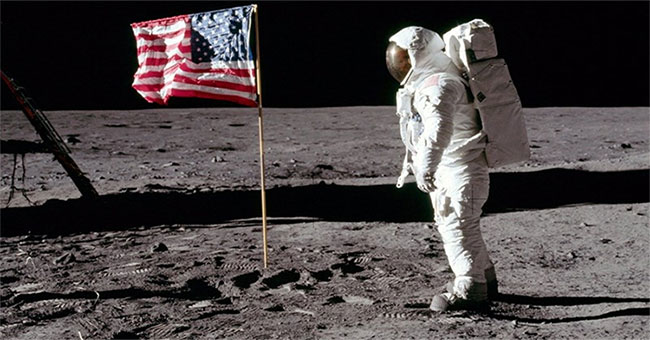
On July 10, 1969, the Apollo 11 spacecraft landed on the Moon.

Two adventurous robots landed on Ryugu's surface, asteroids about 900 meters in diameter, and sent some new images.

Complex organic molecules hidden in giant dust storms increase the hope of finding life on the moon that NASA has dubbed.