
Animal world
Darwin's bark spider spins silk to 'build a bridge' 25m long
Thanks to its extremely unique silk-spinning mechanism and knowing how to take advantage of air currents, Darwin's bark spider can build a 25m long 'bridge' across the r…
Browse ScienceInfo articles and explainers related to Spider.
530 published items.
Thanks to its extremely unique silk-spinning mechanism and knowing how to take advantage of air currents, Darwin's bark spider can build a 25m long 'bridge' across the r…
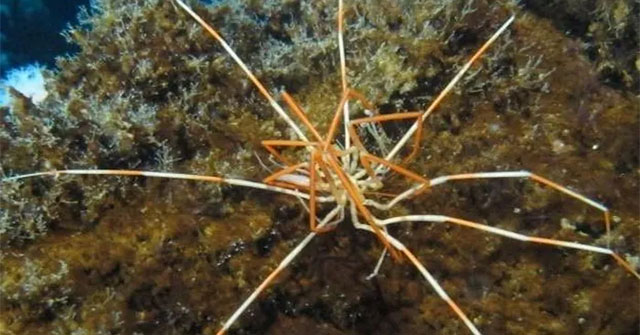
Giant Antarctic sea spiders have different biological characteristics from regular sea spiders, and their way of giving birth and incubating eggs is also very different.
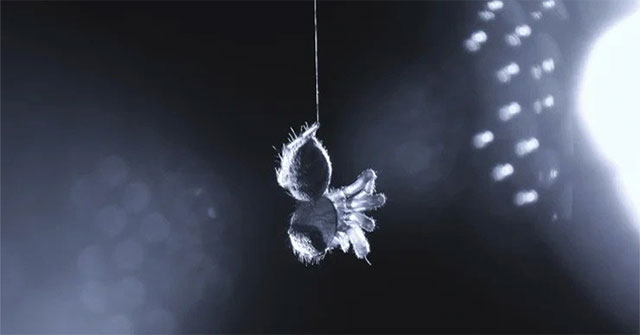
The researchers discovered that jumping spiders, known for their unique hunting abilities, exhibit human-like REM sleep patterns.
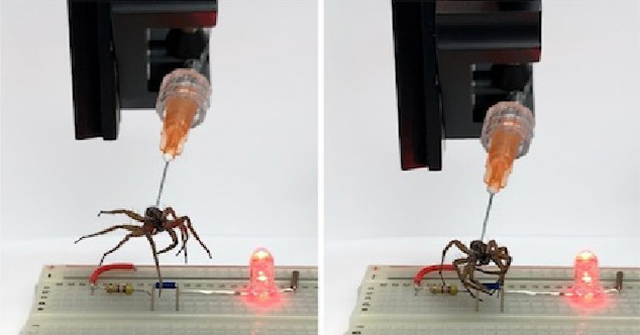
Scientists have found a way to manipulate dead spiders like a robotic arm to lift heavy objects.
Scientists successfully simulated the process of tooth formation of a star star and applied it to create a durable, biodegradable, carbon-fibre material.
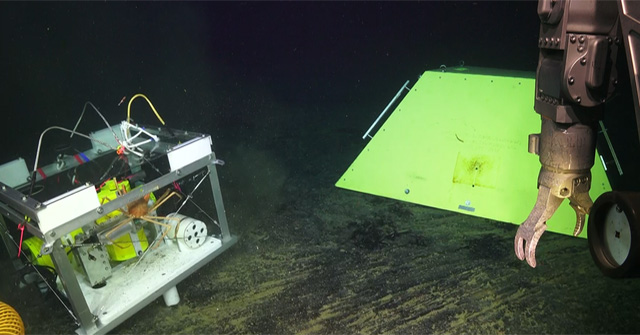
A spider crab decided that the seismometer dropped by scientists would be its home, and that's when the battle begins.
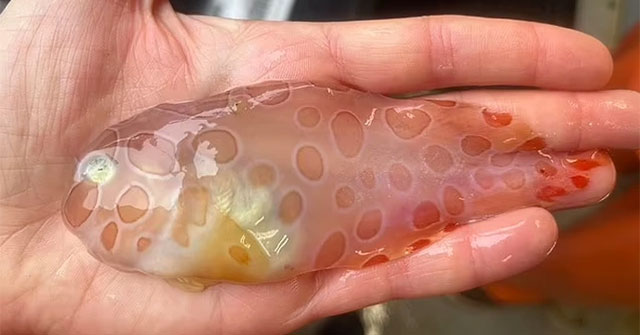
Fish possess a special body structure, which helps them to camouflage themselves, and effectively survive in the deep sea.
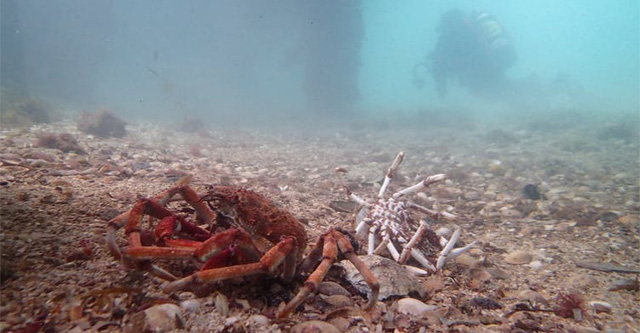
'Army' of thousands of native spider crabs appear in shallow waters off Australia's southern coast. They clustered into giant crab mounds underwater, some as tall as a p…
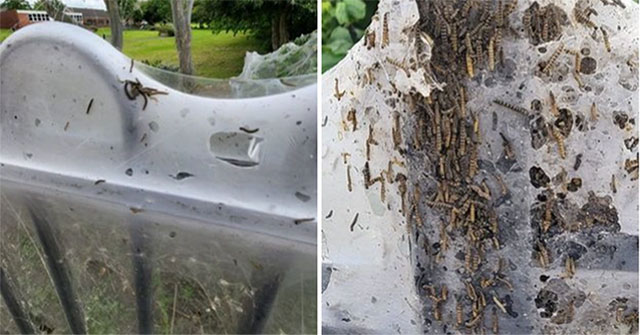
The giant soft, white network covering the trees around the park near her house surprised the 34-year-old woman in England.
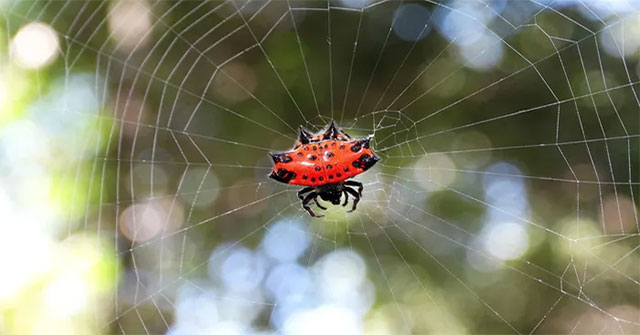
Spiders are an obsession of many people because this animal has an unfriendly appearance.
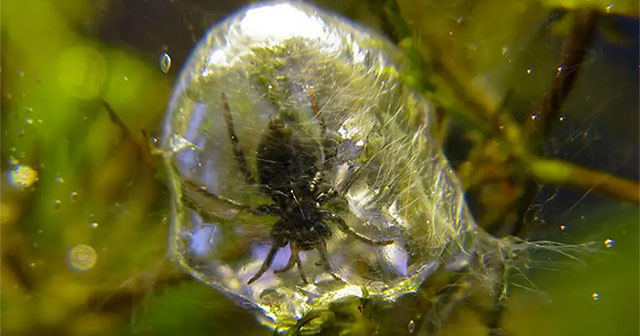
What could be more surprising than a spider that has no gills to breathe underwater, but still lives, hunts, and even reproduces underwater?

There are hundreds of Demodex, or eyelash beetles, living in different areas of the human face. During the day they hide well, at night they crawl to the surface of huma…
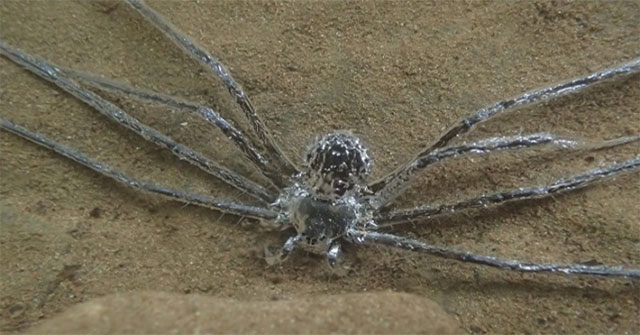
A tropical spider uses air membranes to hide under water and hide from predators for half an hour, surprising scientists.
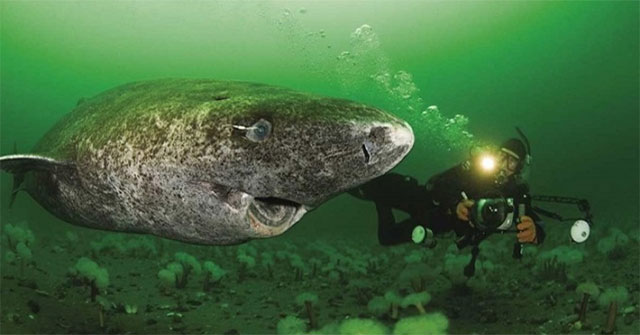
Many large deep-sea animals outnumber their relatives elsewhere, perhaps for environmental reasons or for survival purposes.
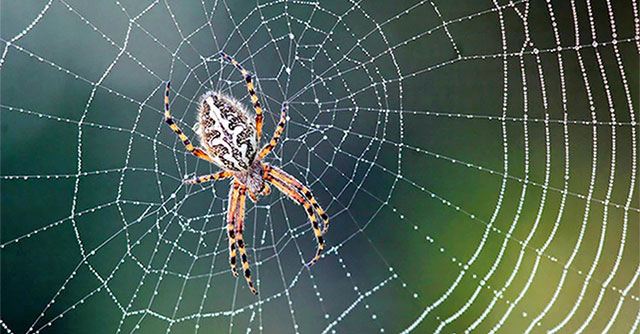
Spider webs have a big function to catch prey, but they can also be used as a device, according to a new study.