Science story
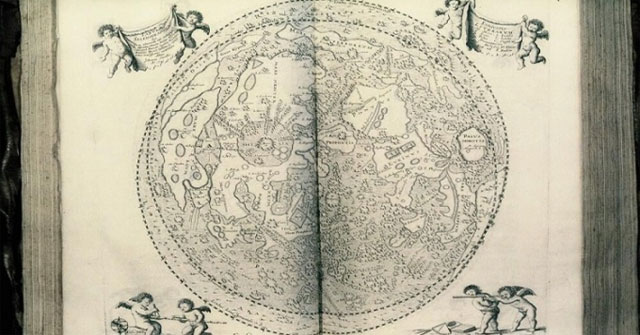
Johannes Hevelius - First person to map the Moon
German astronomer Johannes Hevelius used a microscope to make the first detailed map of Earth's natural satellite.
Browse ScienceInfo articles and explainers related to Star.
2,098 published items.
German astronomer Johannes Hevelius used a microscope to make the first detailed map of Earth's natural satellite.
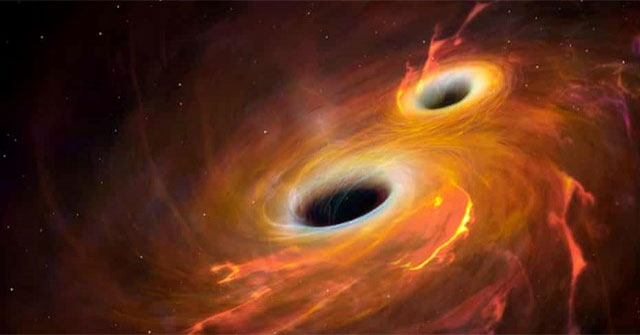
In the process of discovering to shed light on cosmic evolution, life and death on planets, astronomers have discovered a record number of gravitational waves.
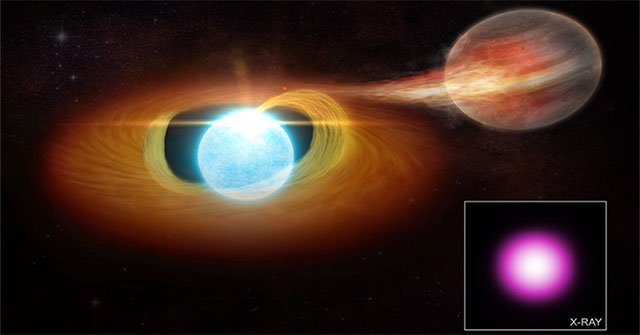
NASA's Chandra X-ray Telescope and ESA's XMM-Newton satellite investigated anomalous X-ray activity from three white dwarfs and discovered three objects that were planet…
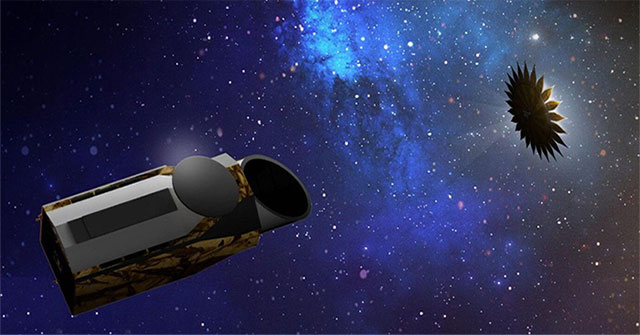
The latest survey of American astronomy and astrophysics from 2022 to 2032 recommended that NASA create a new program to develop several large telescopes.
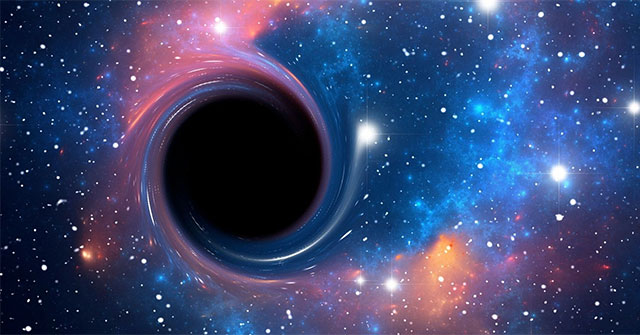
Recently, experts have discovered what is known as the 'missing link' in the process of understanding the universe.
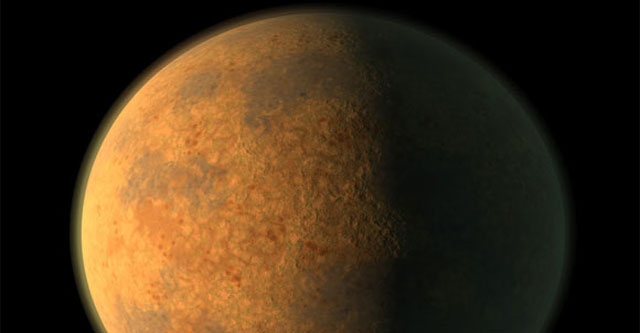
The eggshell planet will have a shell identical to some of the lowlands on Venus.
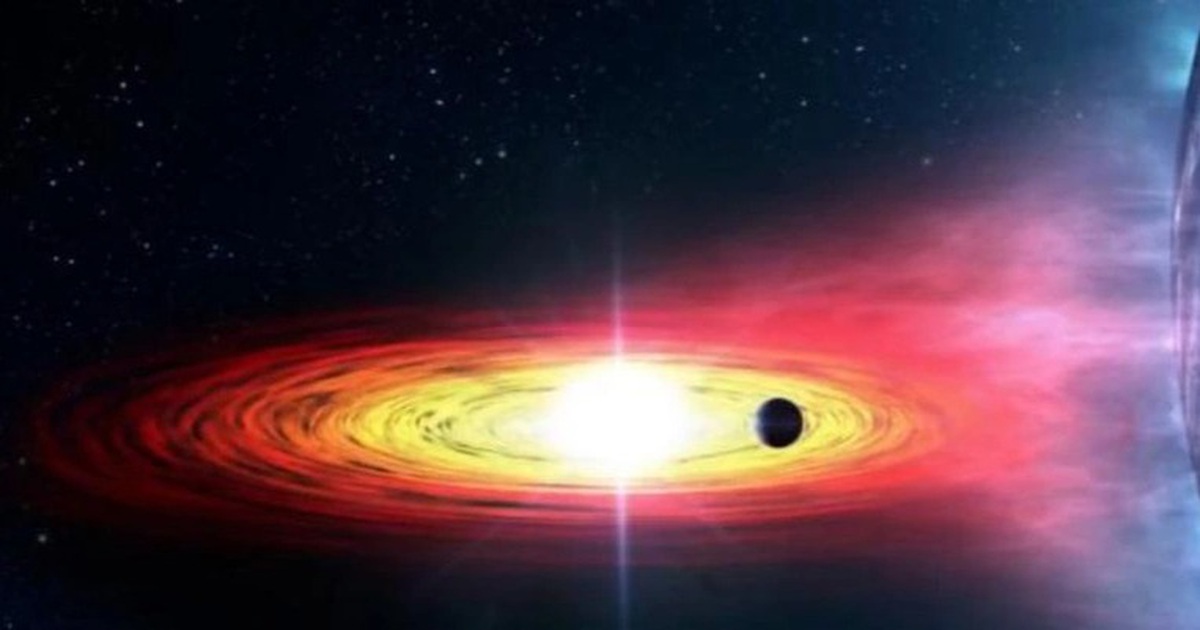
Scientists have detected signs of a transiting planet outside the Milky Way, and this could be the first planet ever discovered outside our galaxy.
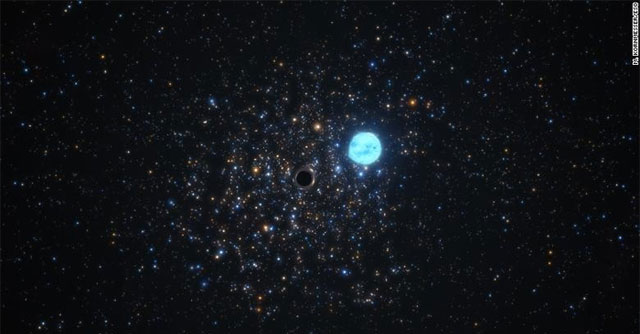
A newly discovered black hole lurks in the Large Magellanic Cloud galaxy, a satellite galaxy of the Milky Way.

Scientists have successfully recreated the skull named Leti, which is the only complete skull representing the mysterious extinct Homo naledi species, approximately the…
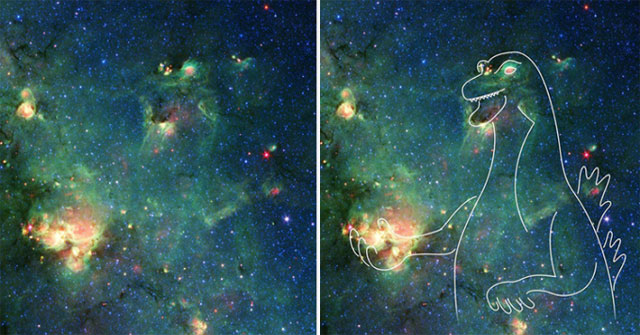
NASA's Spitzer Space Telescope sent back to Earth a stunning image of a dust cloud thousands of light-years away.
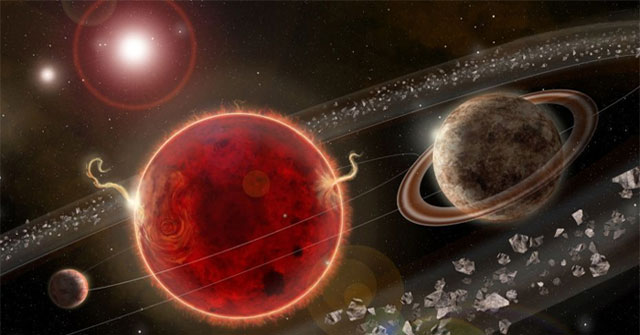
Scientists have just given the final answer to the signal that stirred astronomers in 2019 from the Proxima Centauri star system, which has a planet thought to be habita…
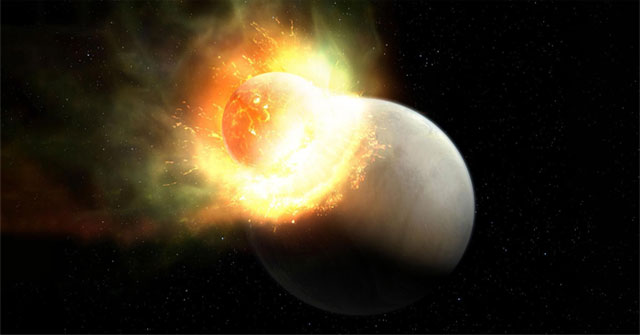
Astronomers have discovered for the first time a planet that lost its entire atmosphere after an extremely large meteorite impact.
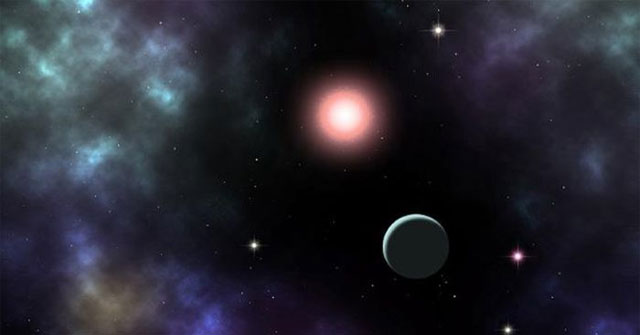
A new planet in the form of Little Neptune could have a cool temperate climate and liquid water - the potential for life.
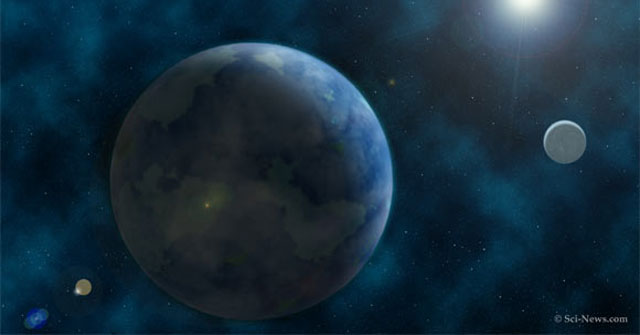
The orbital planes of the newly discovered planets are almost perpendicular to each other, because 2 out of 3 chose to travel from pole to pole of the parent star.
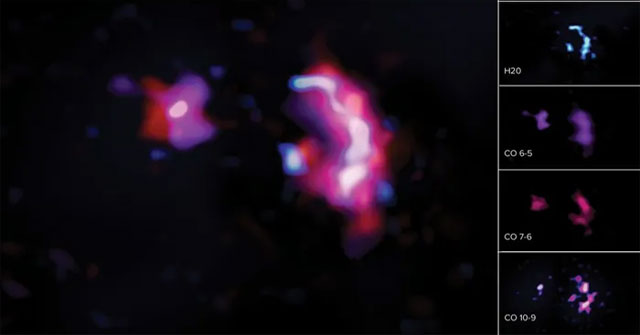
Scientists say they have discovered evidence of water in a galaxy about 12.8 billion light-years from Earth.