
Space science
Neutron stars have a magnetic field 1,000 times stronger than normal
NASA astronomers discovered a very young and powerful neutron star, about 16,000 light-years from Earth.
Browse ScienceInfo articles and explainers related to Star.
2,098 published items.
NASA astronomers discovered a very young and powerful neutron star, about 16,000 light-years from Earth.

Inside the neutron stars is the 'noodle nucleus' - an unusual state of matter, consisting of subatomic particles called quarks.
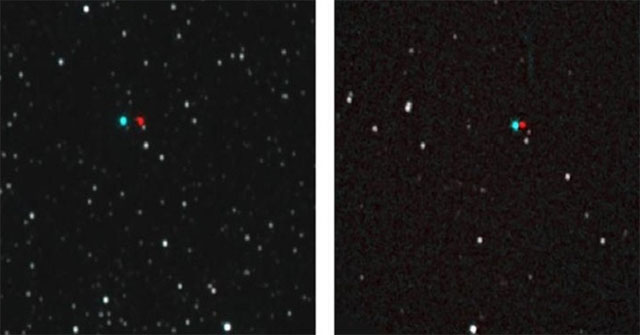
Photographs taken by the New Horizons spacecraft show stars seem to be in a different position than when viewed from Earth.

Astronomers have announced the discovery of a brown dwarf star 332 light-years from Earth that could support planet formation.
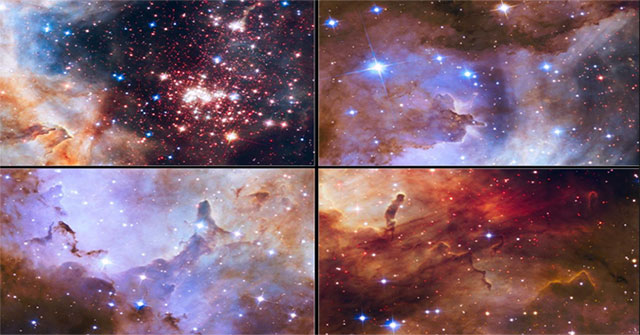
New research results from the Hubble Space Telescope show that the formation of the first stars and galaxies in the early universe occurred earlier than previously thoug…
Oumuamua is the first interstellar asteroid to fly over the recorded Solar System. However, the latest research shows that in our planetary system there may be many aste…
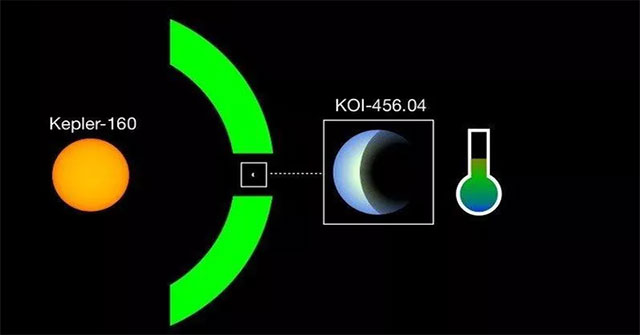
An alien planetary system orbiting the star has been found to have many similarities to the Earth and the Sun.
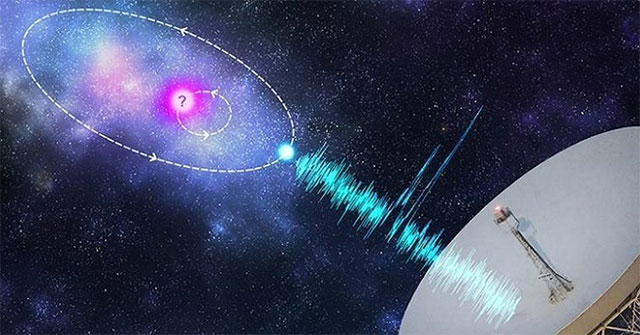
Astronomers detected that the FRB 121102 signal was a second radio wave that traveled from deep space to Earth on a repetitive cycle.
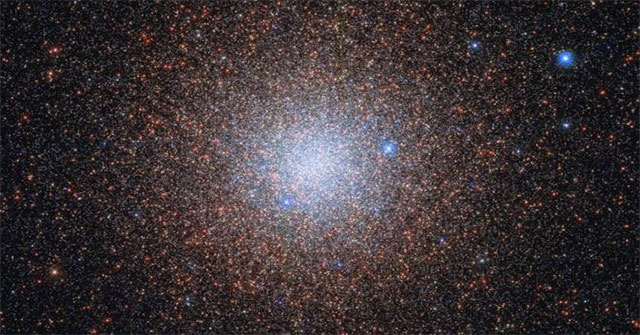
NASA has just released a stunning image of stars from a globular cluster about 13,000 light-years from the center of the Milky Way galaxy.

Unlike ordinary zebras, a tiny zebra variant with the world's first streaked and spotted spots has been discovered in Masai Mara (Kenya).
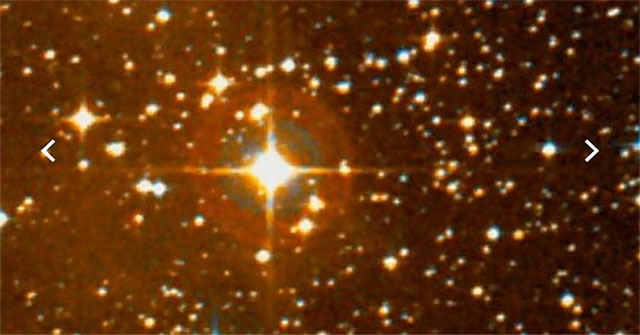
Almost everything in the universe has mass, from atoms and subatomic particles, to huge groups of galaxies.
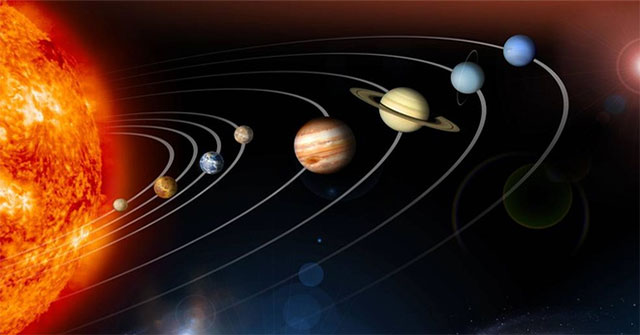
Most star systems in the universe have two or three stars. However, the Solar System has only one star.
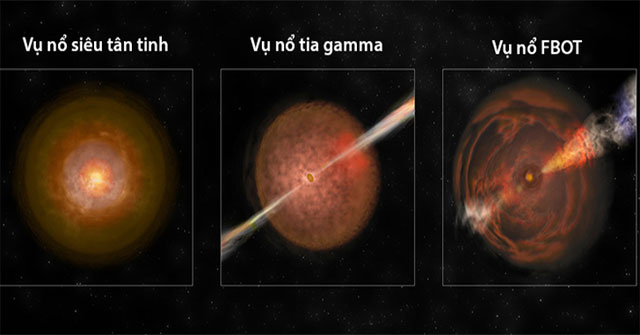
Astronomers on Thursday said they have discovered a new type of stellar explosion, different from the gamma-ray and supernova explosion.
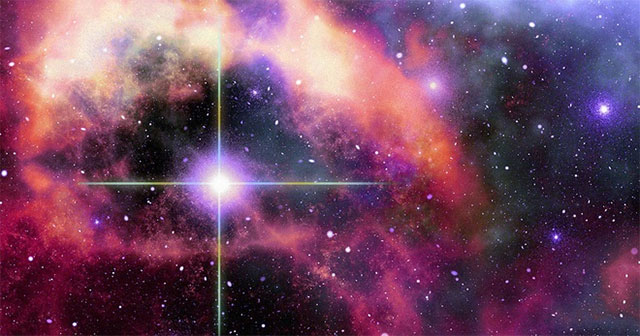
The age of this star is only a few hundred million years smaller than the universe.
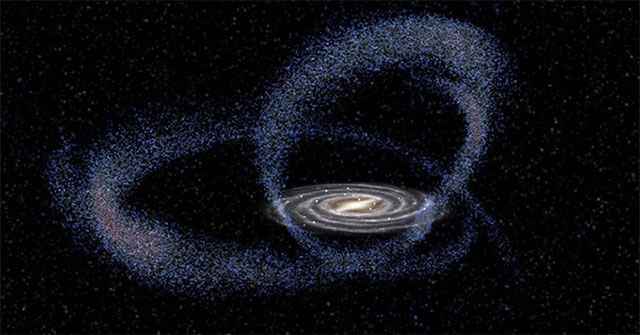
The Sagittarius dwarf galaxy, about 26,000 light-years from the Milky Way galaxy, could be a boost to the Sun's formation.