Discover science
Your zodiac may have changed without you even knowing it
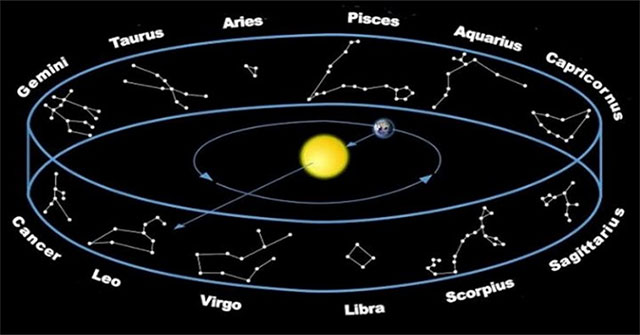
A person may belong to Capricorn, but in fact, at the time of his birth, the Sun is in the middle of the constellation Sagittarius!
Browse ScienceInfo articles and explainers related to Star.
2,098 published items.
A person may belong to Capricorn, but in fact, at the time of his birth, the Sun is in the middle of the constellation Sagittarius!
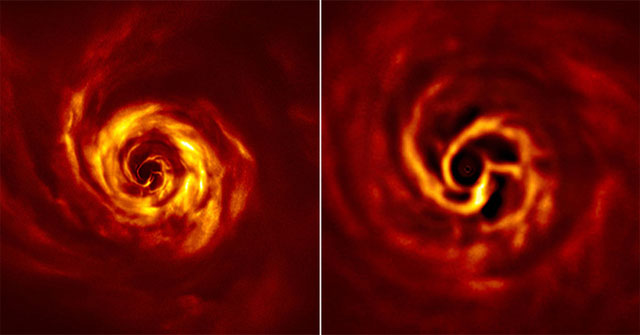
The huge telescope (VLT) of the Paranal Observatory in Chile captures an image of an exoplanet forming around the star AB Aurigae.

HD 164922 has up to three planets with characteristics of the planets in the Solar System, but their properties are disturbed in the style of that beard and his chin.
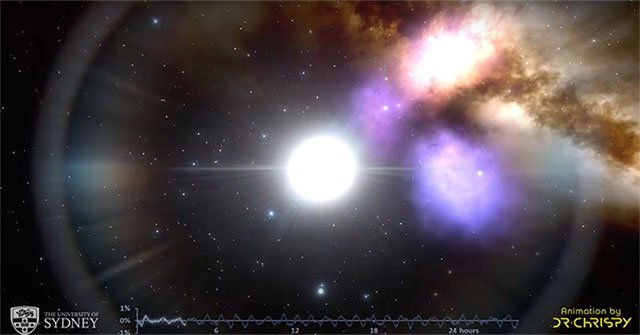
For the past few decades, astronomers have been trying to listen to the 'heartbeat' of a class of stars called the Delta Scuti variable star.
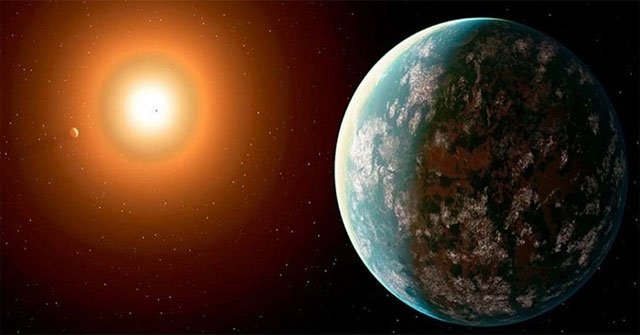
The newly discovered exoplanet has four times the mass of the Earth, orbiting the star as small as 1/10 of the Sun.
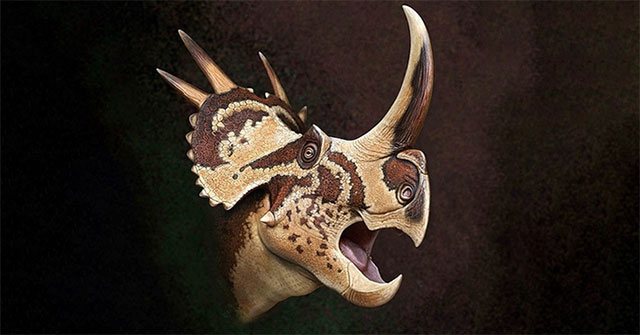
Fossils excavated in the state of Montana reveal the genus Stellasaurus, an unknown dinosaur, lived 75 million years ago.
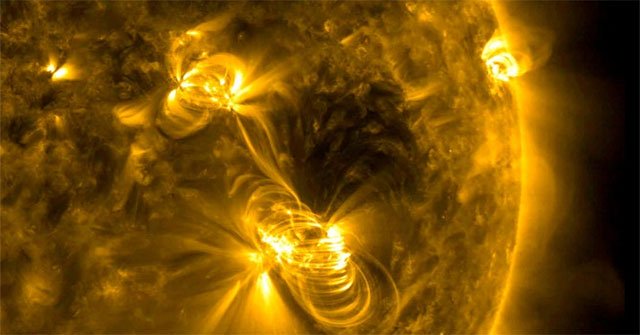
Our sun is less active than other similar stars. Due to black spots and other phenomena, the Sun has a weaker brightness variation.
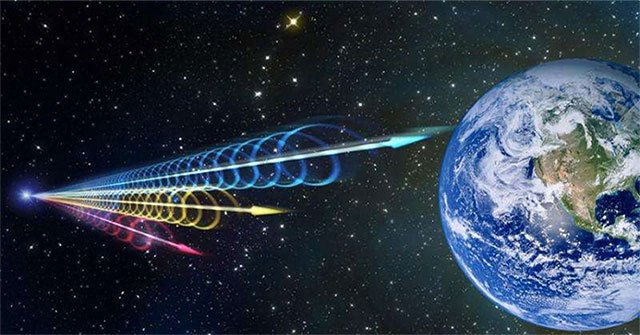
Radio emission (FRB), one of the greatest mysteries in the field of astronomy worldwide has been discovered in our galaxy system.
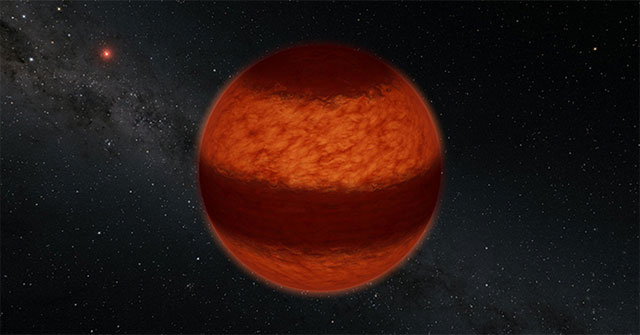
Astronomers discovered the brown dwarf Luhman 16A surrounded by stable clouds in the atmosphere.
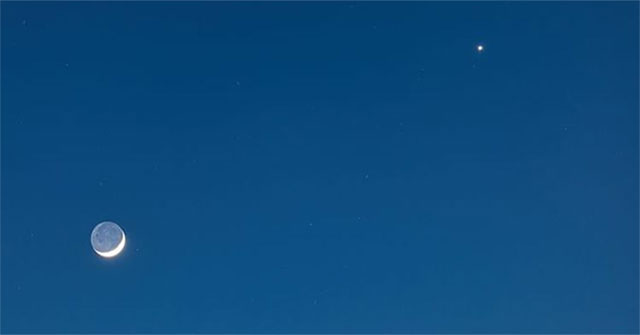
A mysterious light appeared next to the Moon over the weekend and predicts it will return next week. But what exactly is that light?
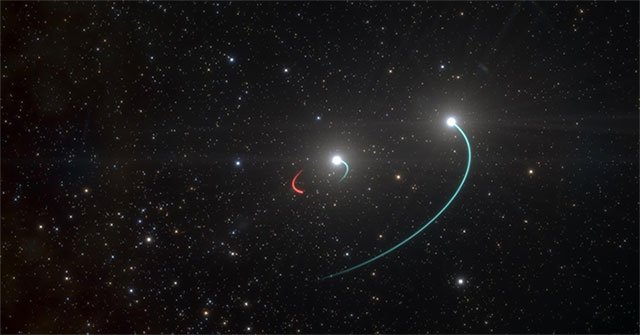
The newly discovered black hole lies in the star system HR 6819, 1,011 light-years from Earth and four times the mass of the Sun.
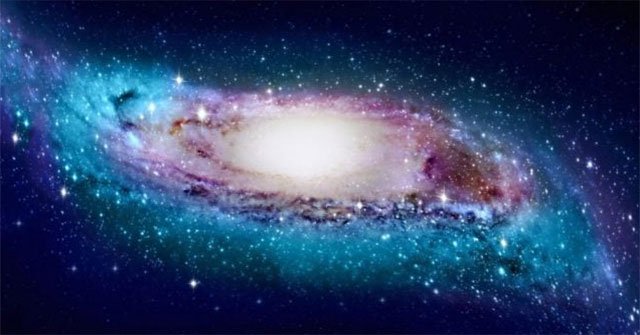
The evolution of elliptical galaxies is completely different from the Milky Way. They go through the infancy so much radiation that no planet of life can survive ...
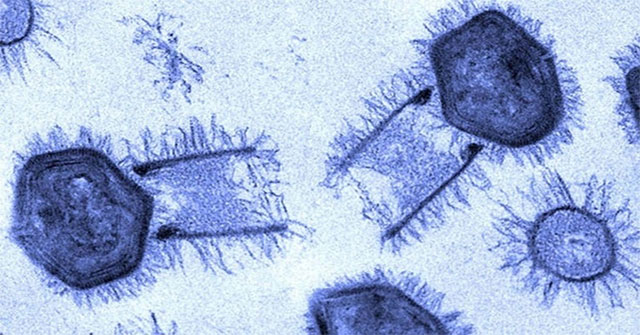
The researchers found giant viruses invading cells through a special star-shaped structure on the crust.
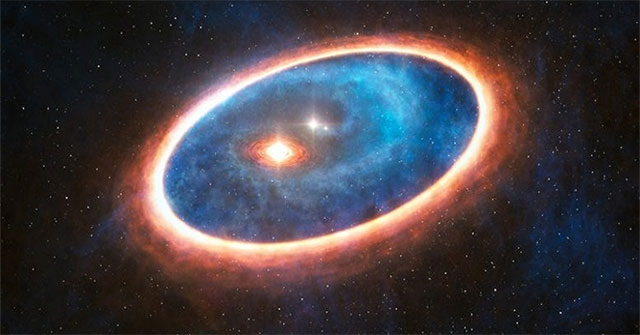
Computer simulations reveal how a massive star draws matter from a smaller star orbiting it at close distances.
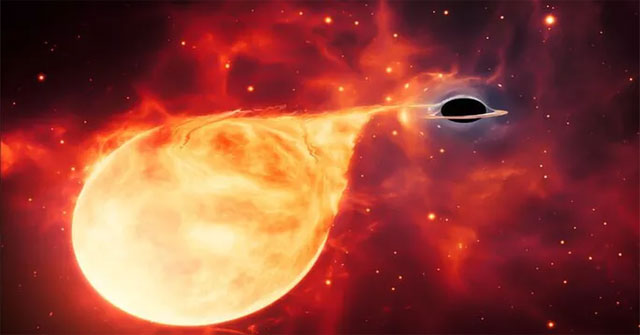
The aggressive monster black hole discovered by NASA's Hubble Space Telescope may be the missing link in the evolution of the universe.