Space science
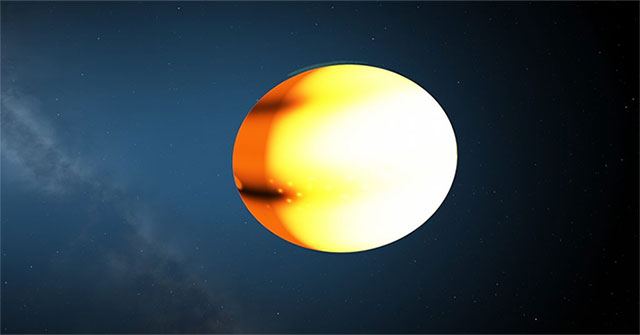
The giant gas planet only takes 18 hours to orbit the host star
Astronomers found a Jupiter-like exoplanet located very close to the orange dwarf star 1,060 light-years from Earth.
Browse ScienceInfo articles and explainers related to Star.
2,098 published items.
Astronomers found a Jupiter-like exoplanet located very close to the orange dwarf star 1,060 light-years from Earth.
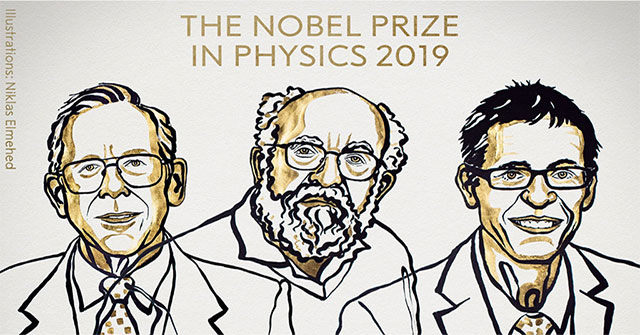
The Swedish Academy of Sciences on October 8 announced the 2019 Physics Prize for scientists James Peebles, Michel Mayor and Didier Queloz.
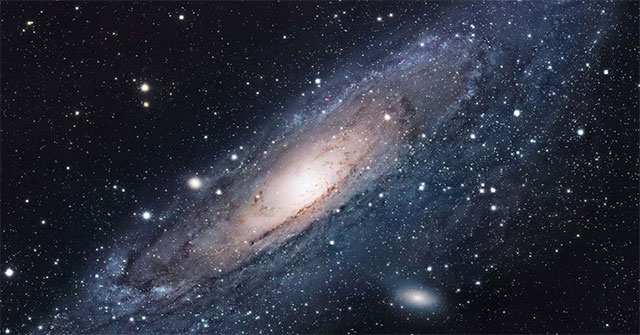
Our neighbor galaxy is proved to be a monster that swallows fierce galaxies and is preparing to swallow the Milky Way - the galaxy containing the Earth.
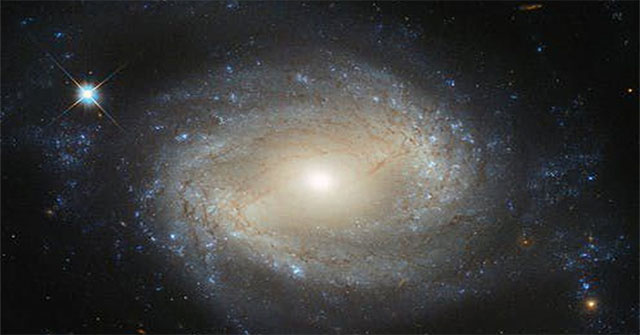
According to a Carbon Monoxide Survey project (VERTICO), experts are investigating in detail why galaxies in the constellation Virgo are killed by their environment.

A group of aliens 'hunters' claims they have found evidence of UFOs.
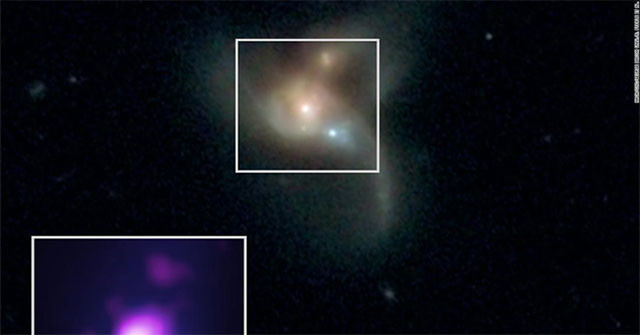
Scientists first observed the phenomenon of three galaxies colliding, placing supermassive black holes at their centers into orbit to merge.
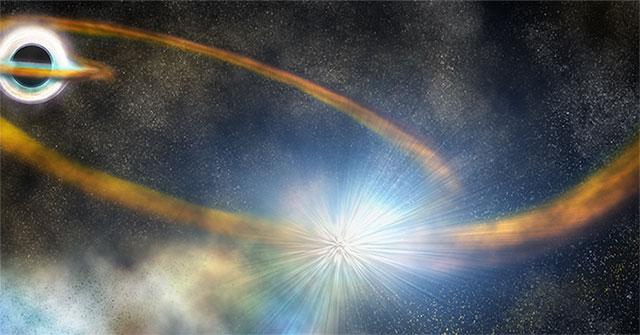
TESS, NASA's $ 200 million telescope, observes a black hole about 600 million times more massive than the Sun.
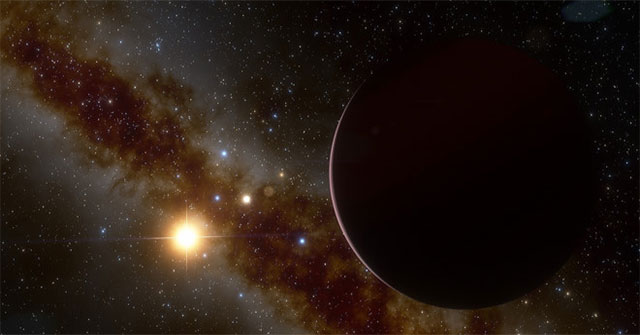
Scientists were surprised to find the solar system nearly 30 light-years from Earth, even though the center is a small red dwarf that still holds the planet in mass in o…

A group of astronomers is looking for strange signals from distant exoplanets, or so
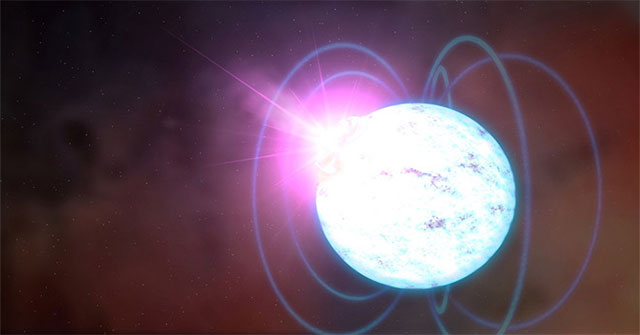
Scientists have discovered the largest neutron star ever, with its enormous mass compressed close to the limits set by the laws of physics.
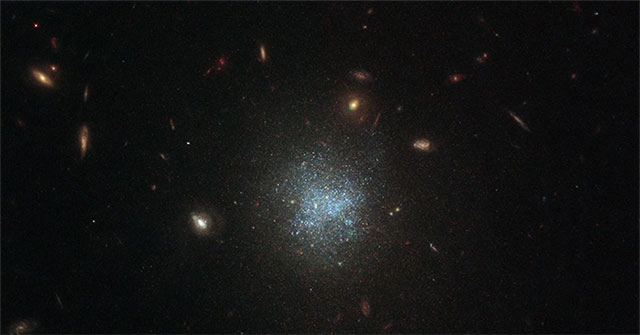
The Hubble Space Telescope captures UGC 695, a weak glowing galaxy located in the constellation Cetus (Kinh Ngu).
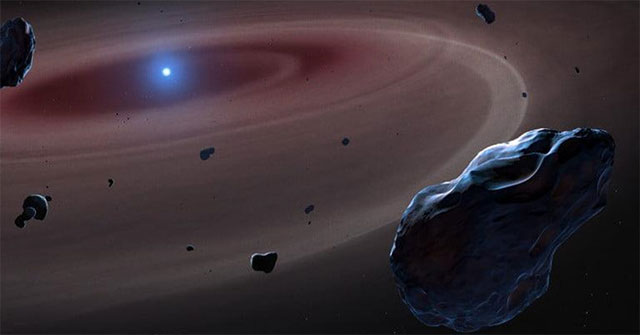
Planets orbiting a dead star emit special electromagnetic radiation that we can capture from Earth.
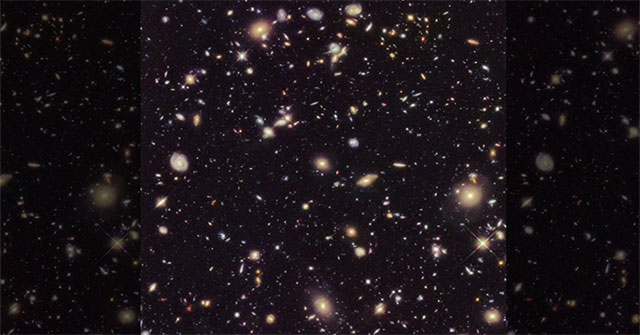
The universe is thought to be about 13.7 billion years old, but a new study has shown that it may be significantly younger by several billion years.

Another solar system called Gilese 1061 has up to three super-Earths, of which one super-Earth could be an almost perfect enlarged copy of our planet.

Astronomers have just discovered a planet with an 'unlike anyone' orbit, moving around the central star like a comet instead of like other planets.