Space science
Discover the planet 'hell' in Neptune desert
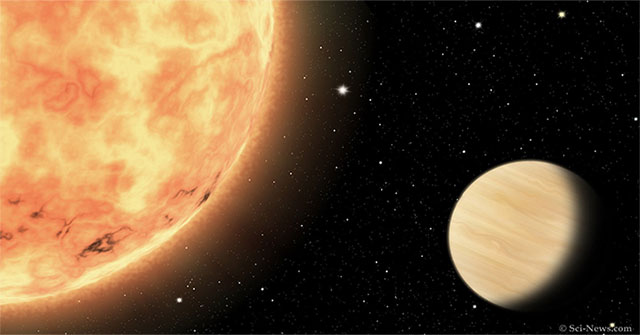
A planet 23 times the mass of the earth and a terrible temperature - 1,111 degrees Celsius - has been found on the edge of the Neptune desert of a star like the Sun.
Browse ScienceInfo articles and explainers related to Star.
2,098 published items.
A planet 23 times the mass of the earth and a terrible temperature - 1,111 degrees Celsius - has been found on the edge of the Neptune desert of a star like the Sun.
The Heritage algorithm of two French scientists will give us the answer.

A team of astronomers at Ohio University found that the object is most likely a black hole about 3.3 times the mass of the Sun.

Giant galactic winds come from a galaxy called Wind.

Although technology has made great progress, there are many things that scientists still have to do manually: visual observation and manual counting, such as counting st…
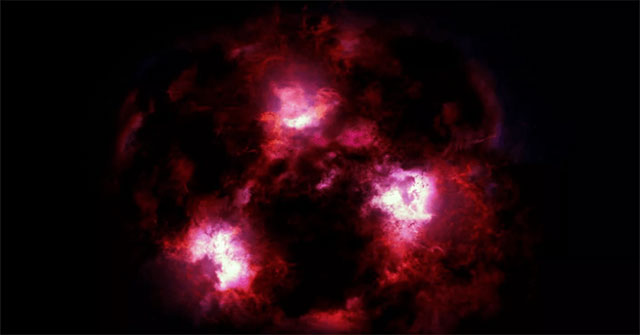
The giant galaxy is hidden behind a cloud of dust and gas and has a rate of formation of 100 times more stars than the Milky Way.
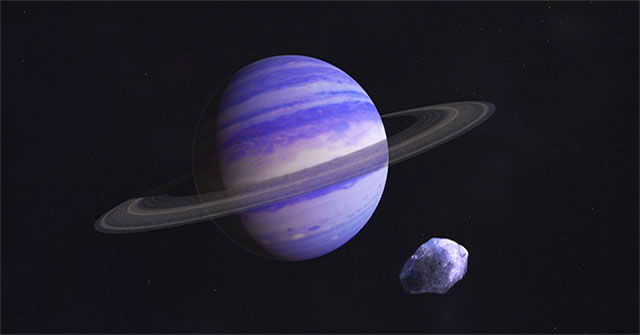
Astronomers have just confirmed the existence of two planets orbiting in very different orbits in the red dwarf system (called the GJ 15 system).
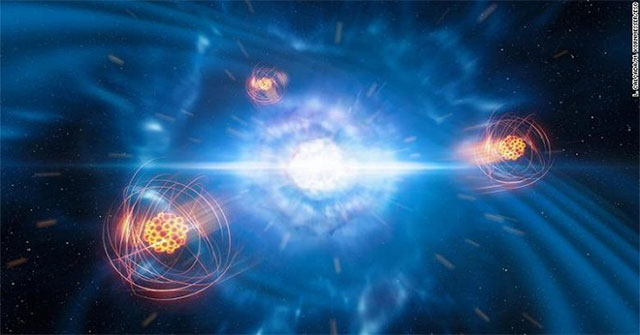
Astronomers have discovered the collision of two neutron stars in 2017 creating a heavy element of strontium alongside gold, lead and platinum.
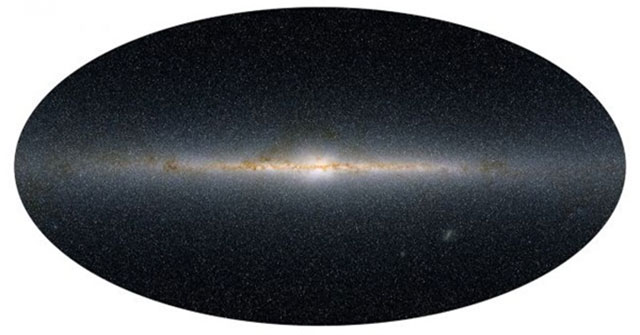
Although you know all your favorite restaurants and how to avoid traffic jams during rush hour, you're not sure you know every corner of the city. The same is true of th…
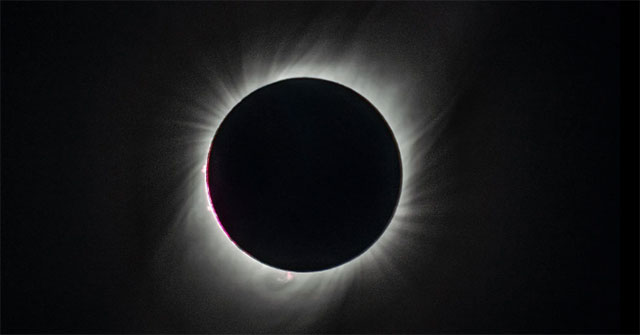
Scientists say the dead planets may be sending signals we can get on Earth.
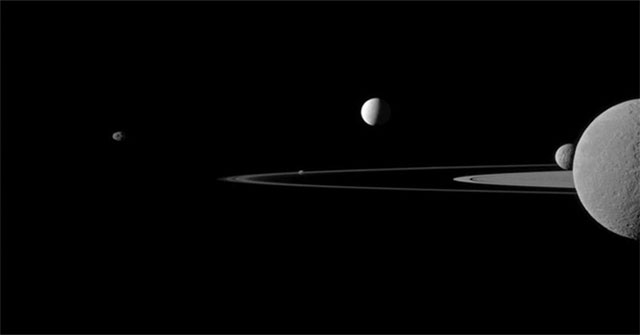
NASA's impressive image of galaxies, nebulae and countless other objects in the universe as a reminder of the smallness of the Earth compared to the outside world.

The Orionids meteor shower is one of the most spectacular astronomical displays of the year.
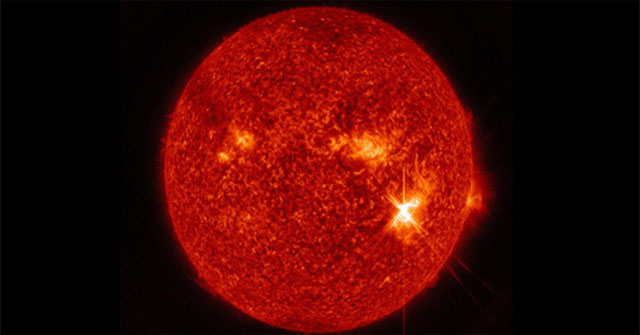
Will our sun become a black hole? According to a new NASA study, it is not possible because it is too small.
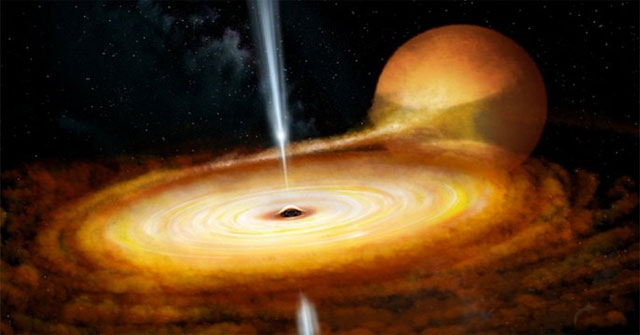
Astronomers have observed the black hole MAXI J1820070 in the Milky Way flashing brightly while 'gobbling up' a neighboring star.
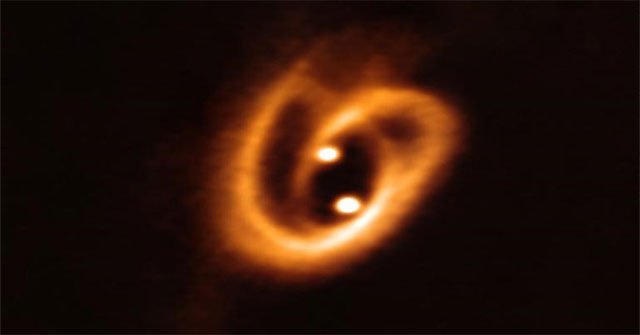
The observed pair of stars is being formed by the accretion of energy from surrounding massive disks of matter.