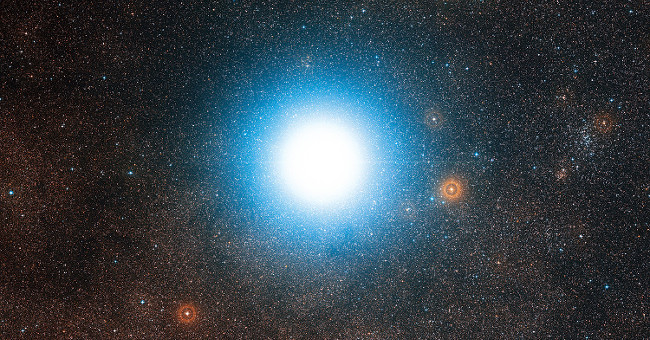
Space science
Ambition to take pictures directly on the copy of Earth
A group of astronomers plans to launch a satellite in 2019 to shoot Proxima b face-to-face,
Browse ScienceInfo articles and explainers related to Star.
2,098 published items.
A group of astronomers plans to launch a satellite in 2019 to shoot Proxima b face-to-face,
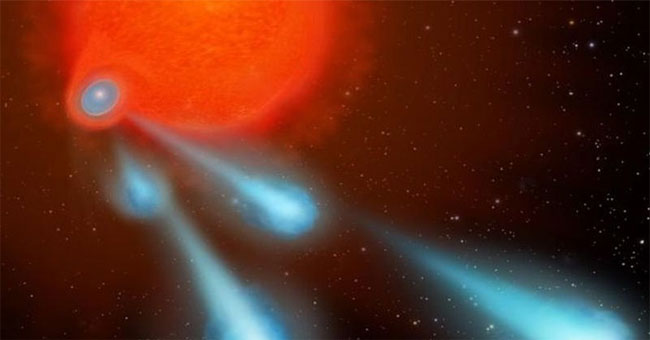
Scientists discover giant plasma spheres that are launched at lightning speed near a dying star.
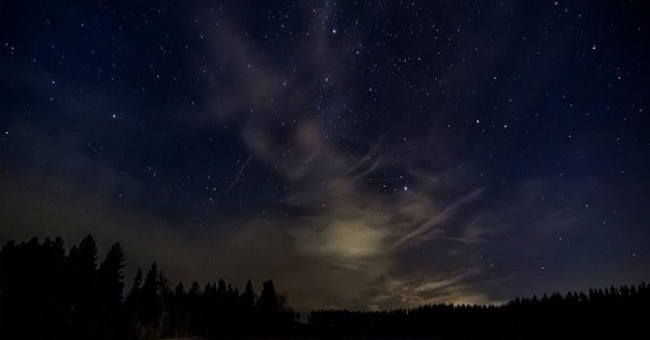
The hypothesis that 200 years ago explained the cause of the dark sky at night is because hydrogen clouds prevent light from the countless stars being proved to be accur…
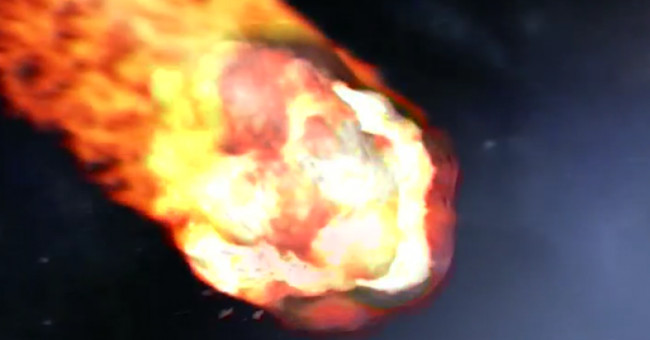
The people of Queensland, Australia were extremely frightened when a giant meteorite stabbed into the sea causing a slight shaking.
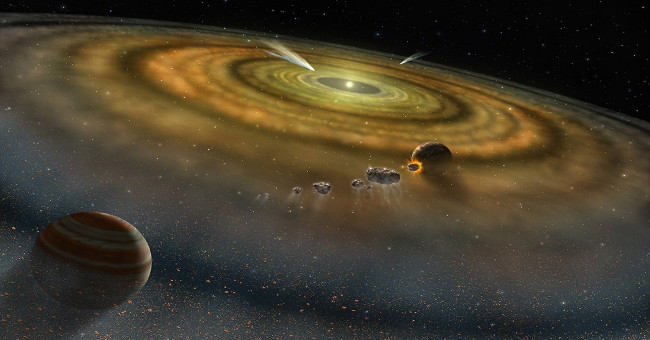
Despite knowing the planets orbiting stars in galaxies, the problem they form is still a subject of debate.
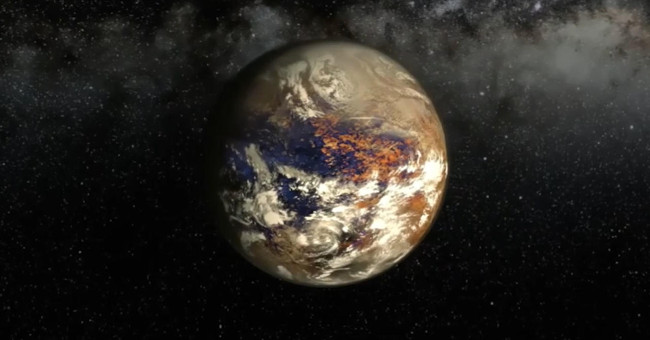
Scientists at the French National Center for Scientific Research (CNRS) on October 6 confirmed Proxima b, an alien-like planet discovered last August, could survive the…
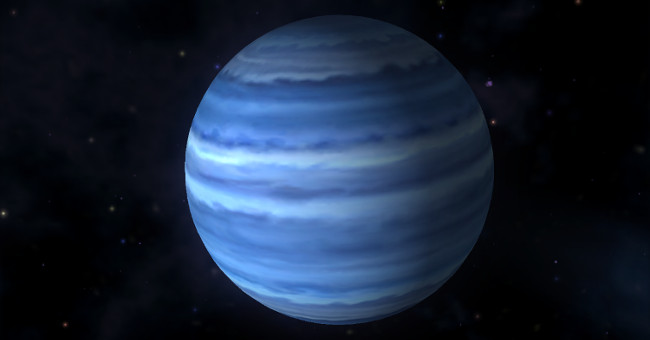
Russian scientists believe that under Uranus, Neptune and orbiting satellites may contain Hitler acid, a special material mix that does not exist on Earth.
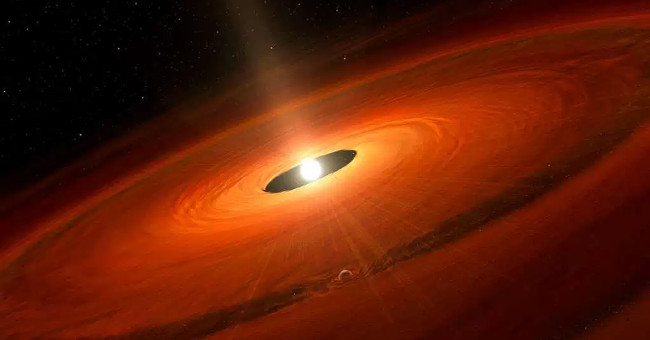
A giant ice planet can form in the dust cloud around the star TW Hydrae, located 176 light-years from Earth.
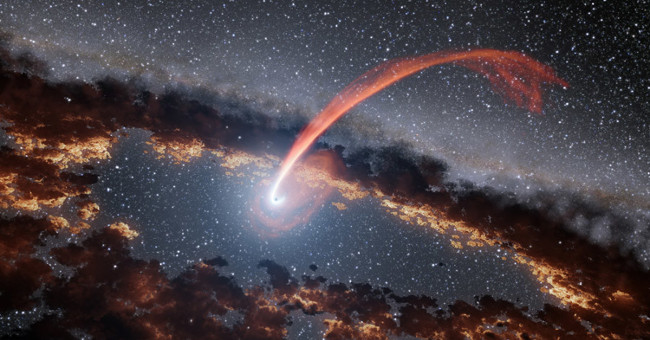
For the first time in history, astronomers have recorded the massive flow of radiation emanating from the black hole of the universe, after it
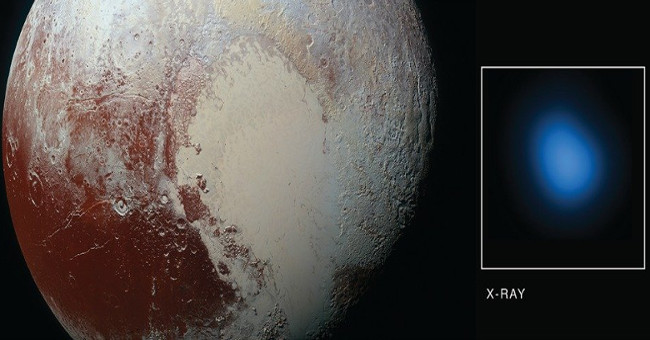
A team of researchers from NASA's Chandra Astronomical Observatory discovered X-ray light from Pluto (Pluto).
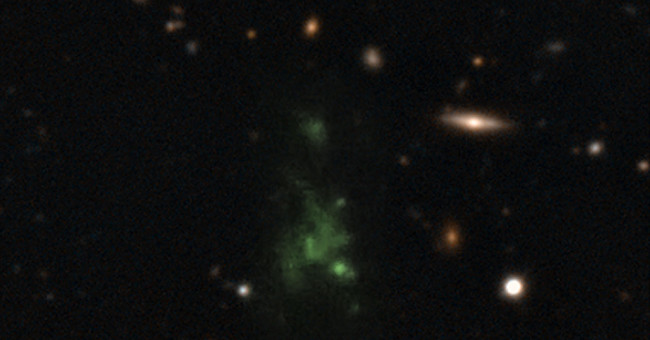
The reason why the blobs in the universe become bright is due to the formation of new stars within it.
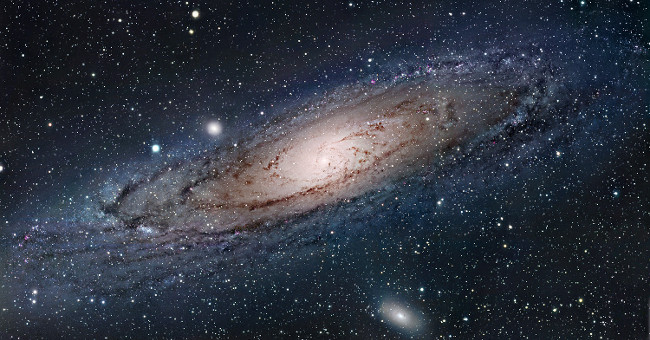
So far, the vast cosmic world still contains many mysteries that modern science has yet to discover.
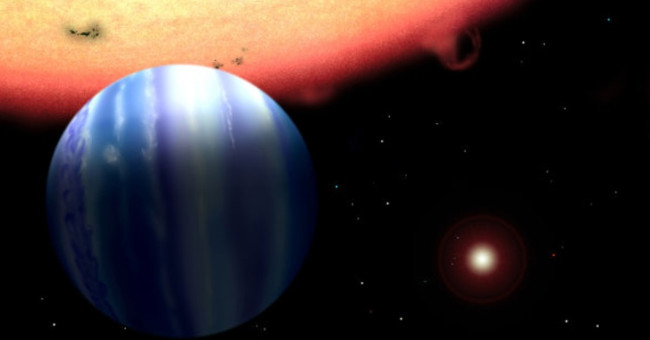
Scientists say they have discovered a planet the size of Jupiter, which has water in its atmosphere, thanks to the application of new technology in space research.
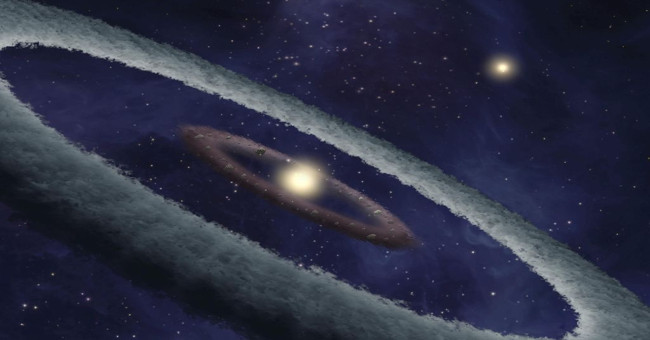
Scientists found that the brightness of the star EPIC 204278916 unexpectedly dropped by 65% for 25 consecutive days, proving it was blocked by something huge.
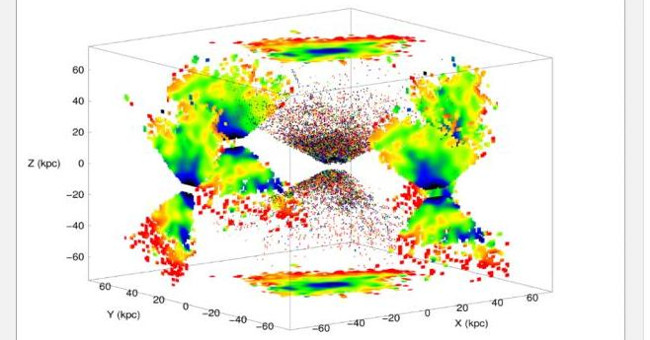
A new technology map that simulates the way the Milky Way galaxy formed in the universe more than tens of billions of years ago is making the global astronomers flutter.