New technology
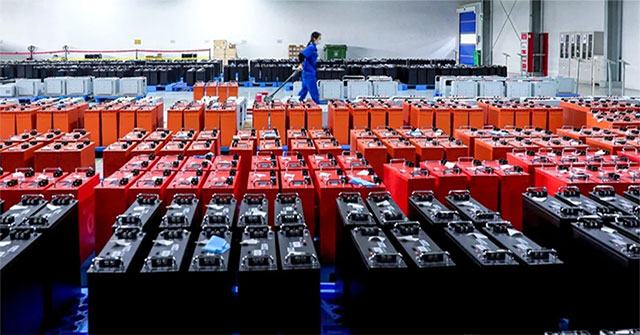
China's Cheap Solid-State Batteries - A Breakthrough for Electric Vehicles?
A new approach by a Chinese research team has broken the cost barrier, while maintaining performance, for lithium batteries.
Browse ScienceInfo articles and explainers related to Sulfide.
29 published items.
A new approach by a Chinese research team has broken the cost barrier, while maintaining performance, for lithium batteries.

Today we can easily say that life began with microorganisms. But what must have come before the first microorganisms?
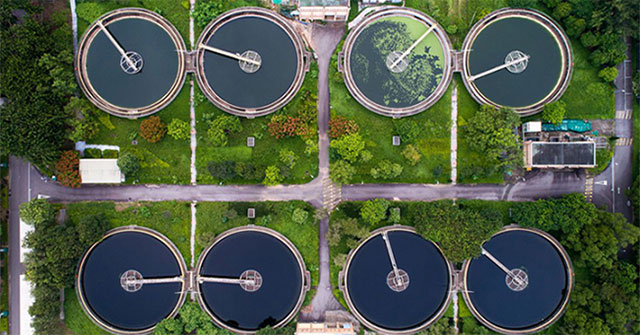
Researchers at Stanford University are developing an anaerobic wastewater treatment process to create clean water and a valuable resource.

As it turns out, the deadliest extinction event on Earth in the past also had another feature - it was extremely 'smelly'.

Garlic processed or eaten raw goes into the gastrointestinal tract when escaping the odor through the breath will no longer 'smell' like the original. More importantly,…
At the end of January 2018, the magazine Chemical Communications published a very strange and interesting study.

Have you ever wondered why after eating garlic or onion the breath is so strong?
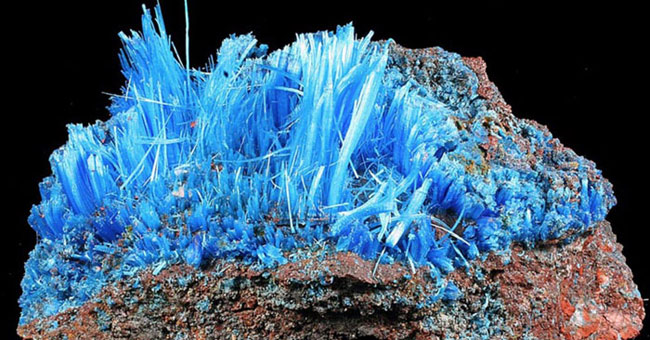
Just like Superman - Superman when exposed to Kryptonite will lose its power and weaken. Our Earth people when exposed to 9 types of stones - the following minerals will…

British researchers make new assumptions that Earth was

The latest research on the three-layer shell structure of a sea snail species can lead to the introduction of new generation helmets and helmets.

A beach trip means sand in your feet, salt water in your mouth and cool air in your nose. But what brought the sea something so pleasant and unmistakable? Now the curtai…
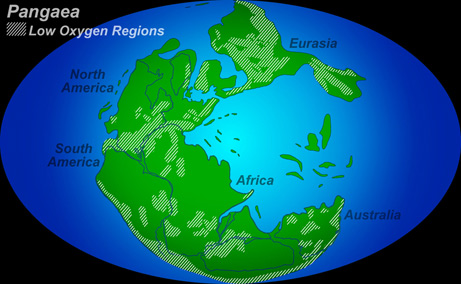
A new study suggests that toxic gases that destroy the ozone layer escaping from oceans may not be the cause of the world's largest mass extinction so far.
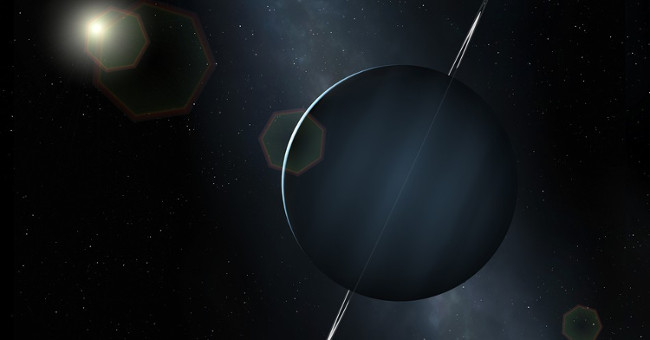
This planet, which has a pretty meaningful name
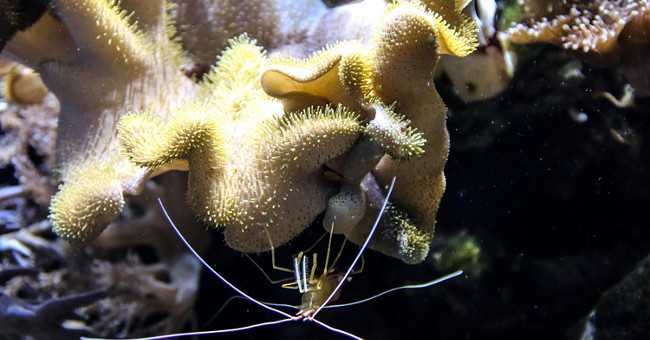
A new study shows that a species of bacteria living in the ocean may be the key to regulating the Earth's climate.
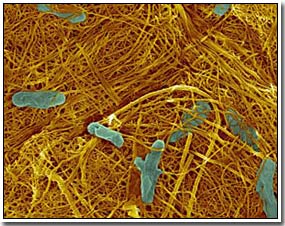
Chemists and engineers from the United States and South Korea have discovered some types of semiconductor nanotubes made from living organisms, bacteria - this discovery…