Space science
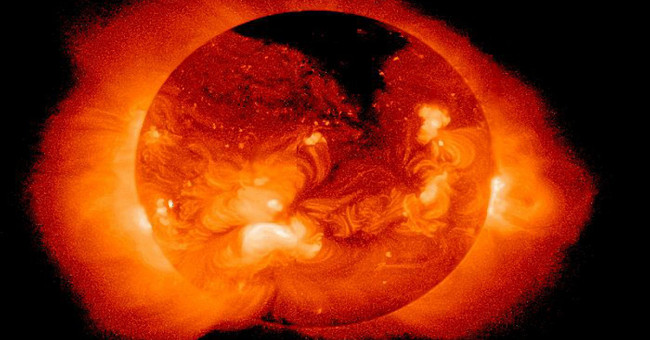
NASA successfully deciphered the long-standing mystery about the Sun.
The sun is about 5,500 degrees above its surface and its corona (halo) is 200 to 500 times hotter, a terrible number.
Browse ScienceInfo articles and explainers related to Sun.
1,901 published items.
The sun is about 5,500 degrees above its surface and its corona (halo) is 200 to 500 times hotter, a terrible number.

Chinese scientists successfully maintained plasma from a nuclear reactor within a minute. This is an important step for the plan to exploit energy from
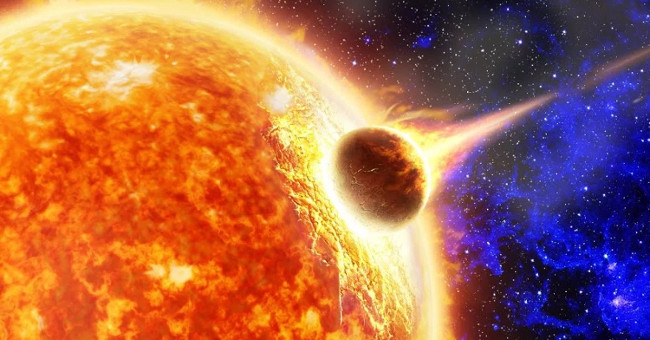
The consequences of comets hitting the Earth are so well known. But what if the Sun becomes a victim?
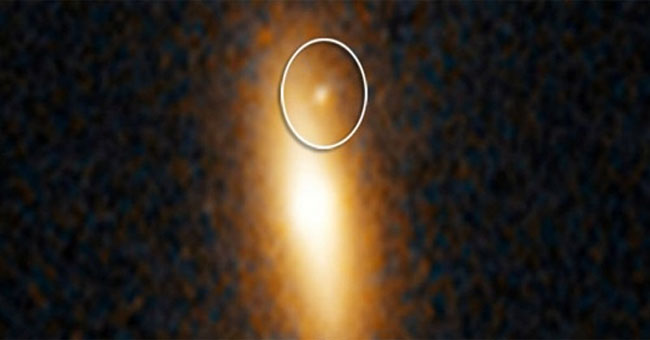
A black hole about 100,000 times more massive than the Sun is knocked out of its position and is moving in the galaxy.
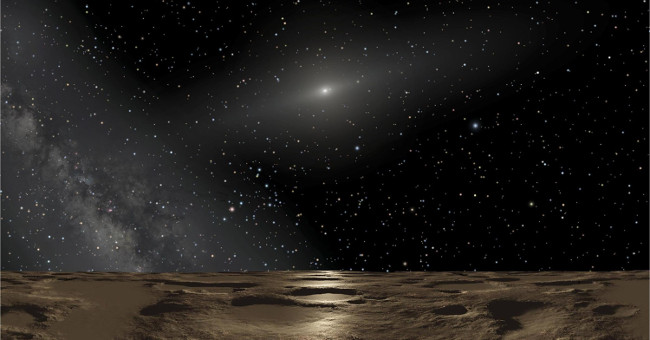
Scientists have discovered that the dwarf planet called 2014 UZ224 is 8.5 billion light-years from Earth.

On September 30, a phenomenon called Black Moon will appear around the world. However, it is not an interesting thing for you to observe, since this day is moonless.
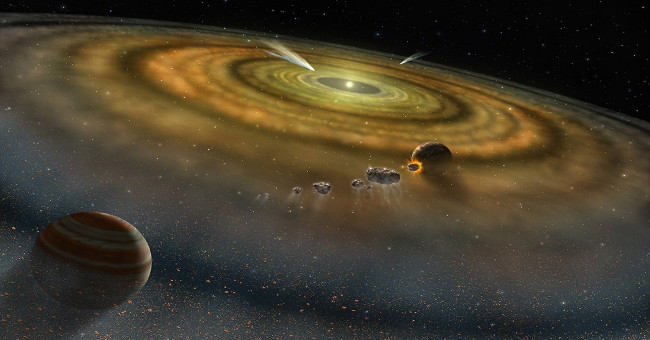
Despite knowing the planets orbiting stars in galaxies, the problem they form is still a subject of debate.

Full Moon sign (Full Moon) once in each month is a time when we can clearly see things around.
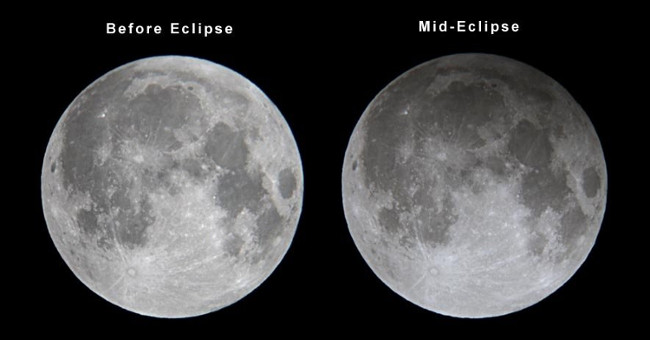
From midnight on September 17, in Vietnam, the phenomenon of half-dark eclipse will be observed. Moon half-moon only makes the moon a little dimmer, very difficult to se…
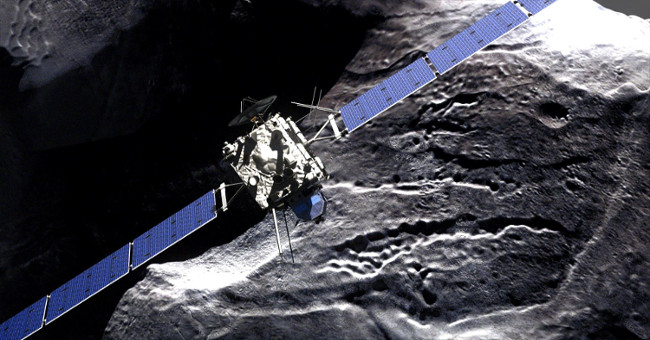
The European Space Agency's (ESA) Rosetta probe will end the mission for 12 years by plunging down
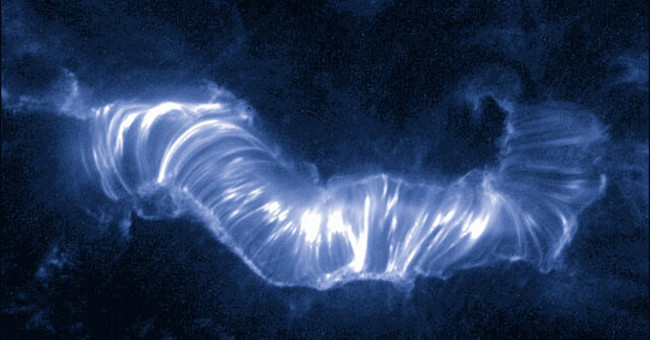
With a huge amount of energy, the Sun outbreaks have brought immeasurable harm even though millions of kilometers away.
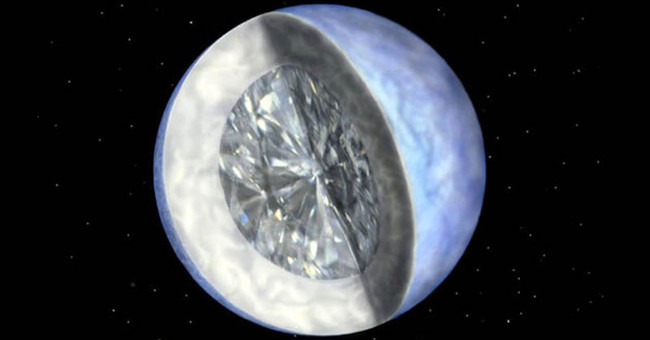
The astounding astronomers discovered a bright glittering object in the sky that is a diamond star
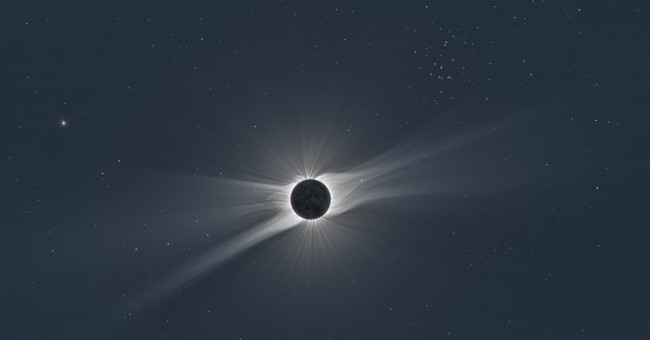
Millions of Americans will have the rare opportunity to experience a total solar eclipse in the summer of next year.
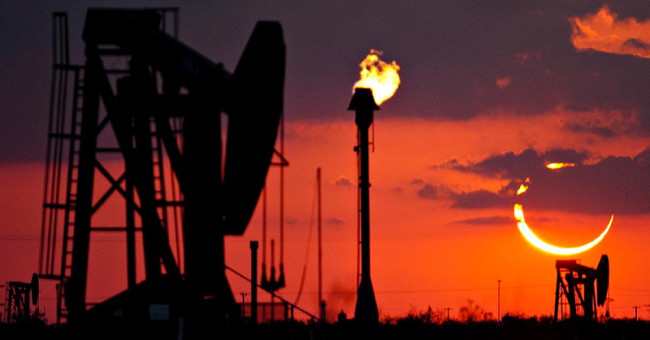
Astronomers in Central Africa, Madagascar and the South Indian Ocean will have the opportunity to see this amazing astronomical phenomenon.
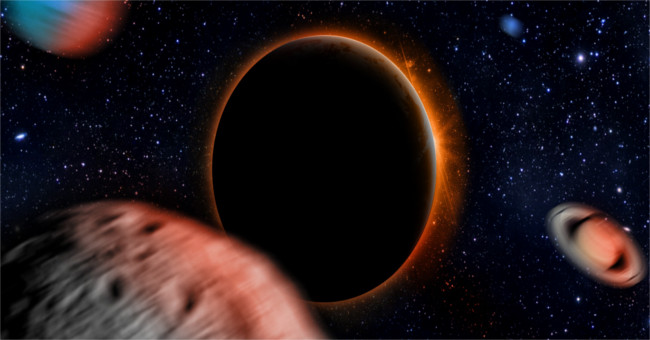
Research by British scientists shows that if it really exists, the 9th planet could cause a terrible chaos for the Solar System once the Sun dies.