Biology
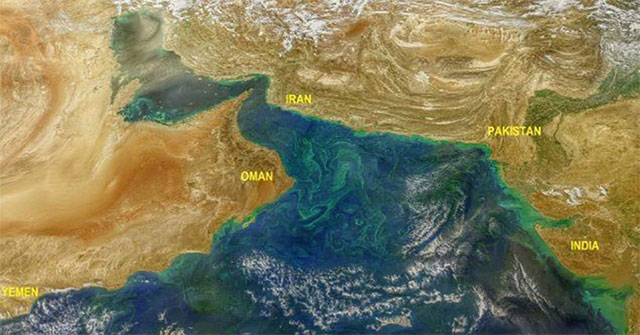
Toxic algae blooming on the Arab Sea
Research published today 4/5 shows that global warming is stimulating toxic algae to bloom, disrupting fishing activities of fishermen.
Browse ScienceInfo articles and explainers related to Surface.
1,629 published items.
Research published today 4/5 shows that global warming is stimulating toxic algae to bloom, disrupting fishing activities of fishermen.

Snakes are reptiles with deadly beauty and always attract the attention of scientists around the world. Snakes can move on many different terrain, from crawling on the g…
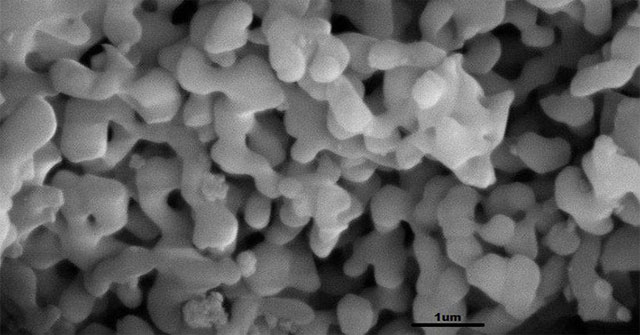
A study by students of the University of Natural Sciences found that antibiotic adsorbent in wastewater is nearly 98% and can be reused.
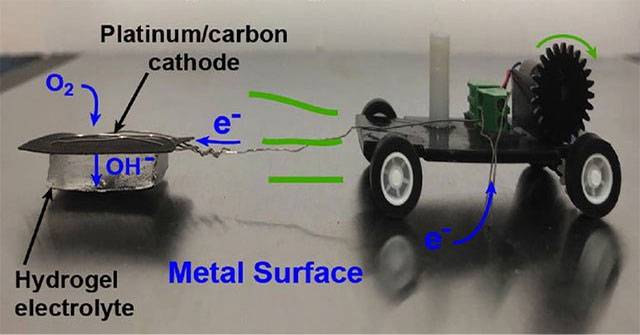
Researchers from the University of Pennsylvania School of Engineering and Applied Sciences have just announced a bold idea: Robots can recharge themselves by coming into…
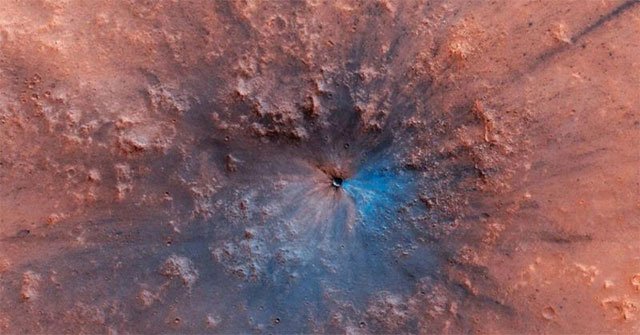
Scientists have discovered two ancient reservoirs that once flowed deep below the surface of Mars.

As the Covid-19 pandemic continues to spread, the telephone is also one of the agents that spread the virus.
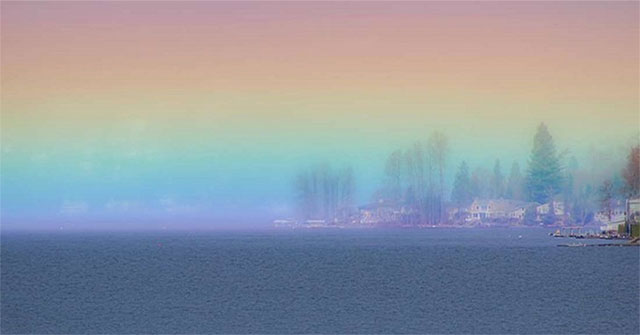
The colorful rainbow band covering the lake is an optical phenomenon formed by ice crystals that refract sunlight.
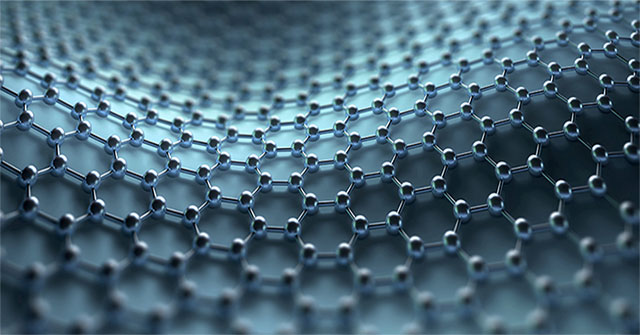
According to Eurek Alert, scientists at Chalmers University of Technology (Sweden) have developed graphene nanoparticles integrated into medical plastic surfaces that ca…
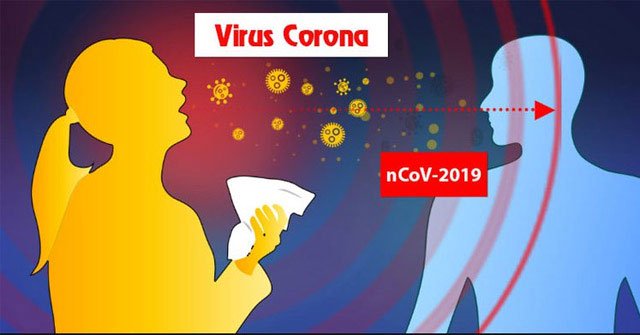
Cross-infection is the transmission of harmful microorganisms (usually bacteria and viruses) between people, from equipment to people or can occur inside the body.
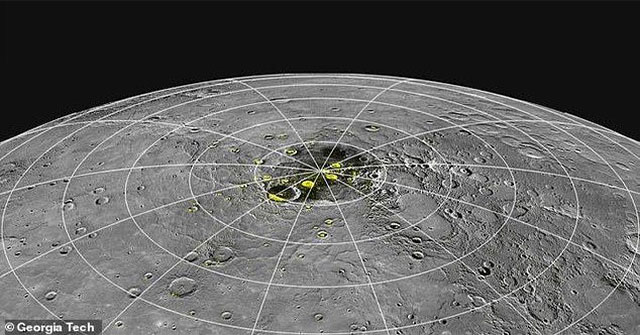
A team of scientists from Georgia Tech gave a new explanation for how ice formed on Mercury even though the scorching surface temperature could reach 400 degrees Celsius.

The robot called NASA's RASSOR is designed to dig under the surface of 'Sister Hang' in the near future.
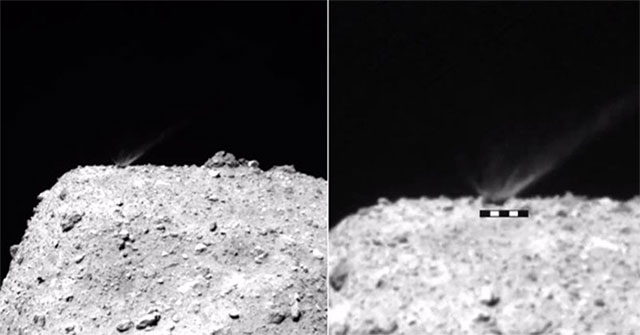
The Hayabusa 2 spacecraft explodes the surface of Ryugu, creating a sinkhole to help scientists understand the asteroid's composition.
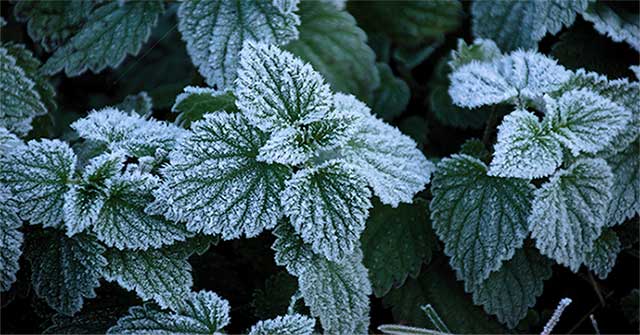
By adjusting the surface texture, scientists can reduce the ability of ice and frost to form 60 - 80% on all materials.
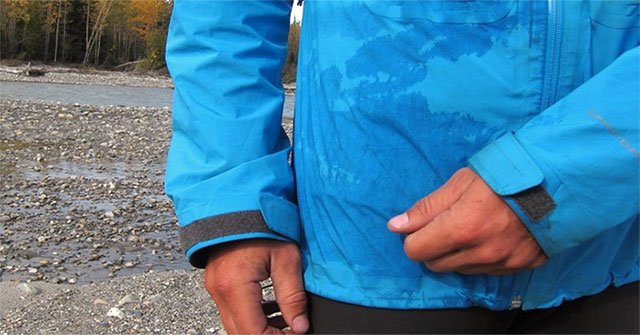
Clothes and fabrics become darker when wet because there is less light reflected from the material toward the user.
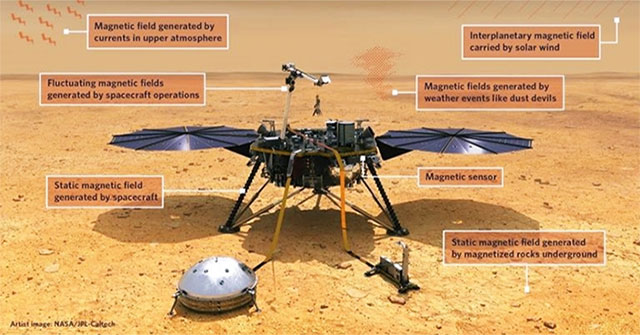
The Insight probe discovered that the Elysium Planitia plain north of the Martian equator has a magnetic field 10 times stronger than NASA's expected.