Discover science
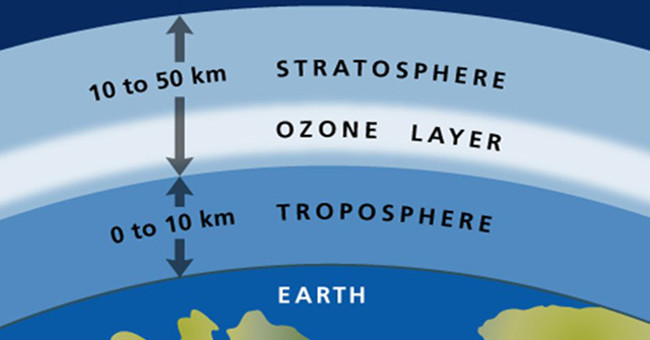
What is the ozone layer?
The zone is a layer of atmosphere on the Earth's surface that has a high concentration of ozone.
Browse ScienceInfo articles and explainers related to Surface.
1,629 published items.
The zone is a layer of atmosphere on the Earth's surface that has a high concentration of ozone.

An international team of researchers found evidence in the Patagonia region of South America to prove that deep movements in the Earth contribute to gold on the surface.
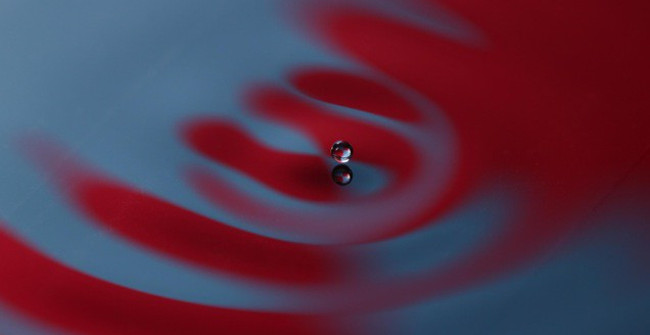
Have you ever seen scenes of tiny droplets rolling gently on the water?

The use of vetiver grass perpendicular to the direction of flow will help reduce the speed of surface erosion agents such as water, wind, limit erosion.
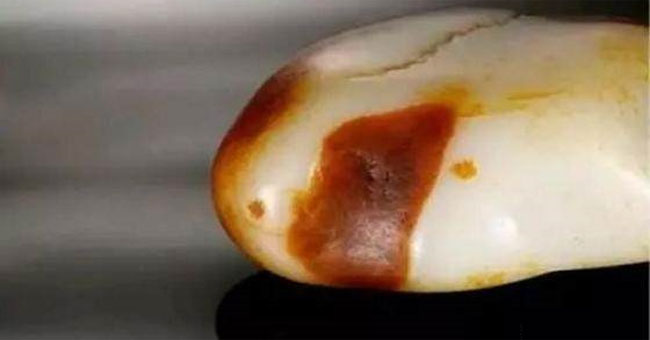
Appearing in an auction in China recently, this jade caused a stir by its ugly appearance, contrasting with the price of heaven.
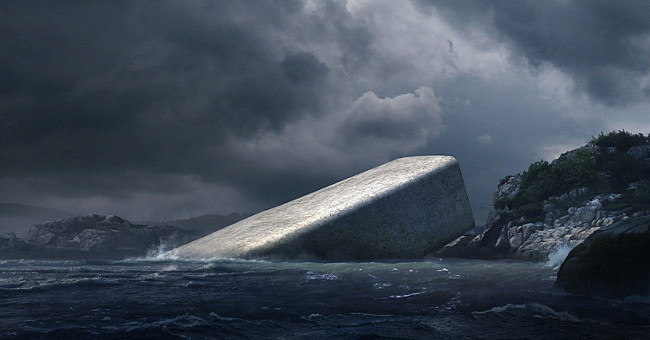
The submerged structure has windows 36 feet wide and is designed to be a part of the marine environment.
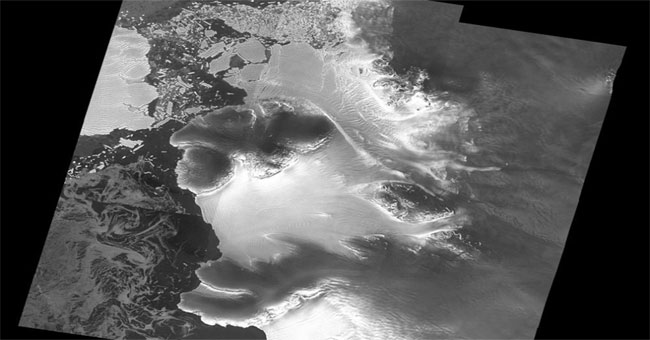
Researchers have found an internal structure of thick ice in Antarctica, which can then recalculate the thickness of the ice layers here.
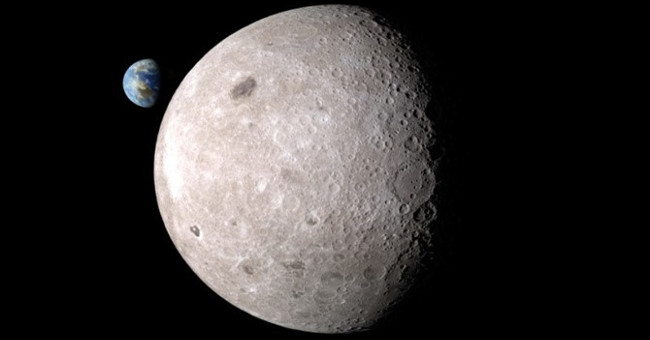
When Vietnamese people look at the moon, they picture the banyan tree and Mr. Cuoi. The foreigner watching the moon is a figure of a man.
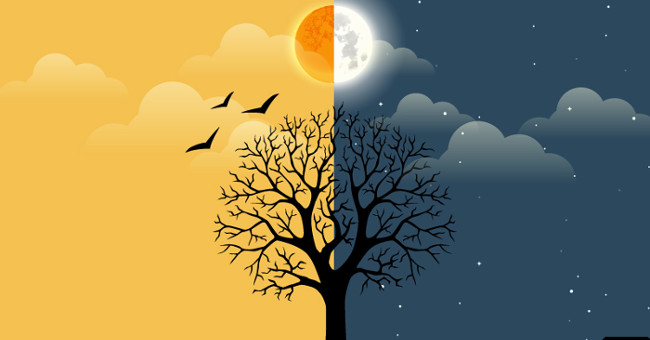
The Earth's sphere is always half bright by the Sun, so it was born day and night, because the Earth rotates around its axis, so every surface of the Earth is illuminate…
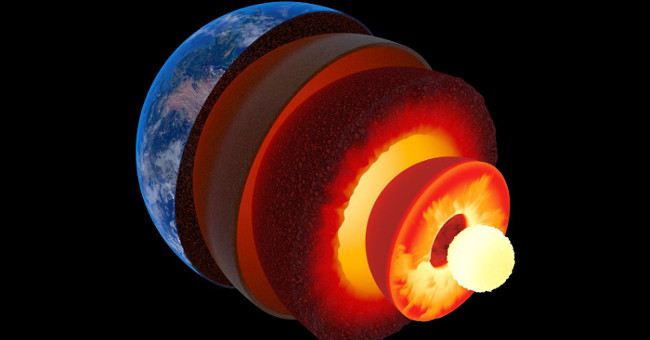
The surface of the Earth is covered with a stone shell, several tens of kilometers thick. The deeper you go into the ground, the higher the temperature.

The cracked asphalt road rises and falls as if it was squeezed by a large underground lung in Morelos, Mexico, and Sun yesterday reported.
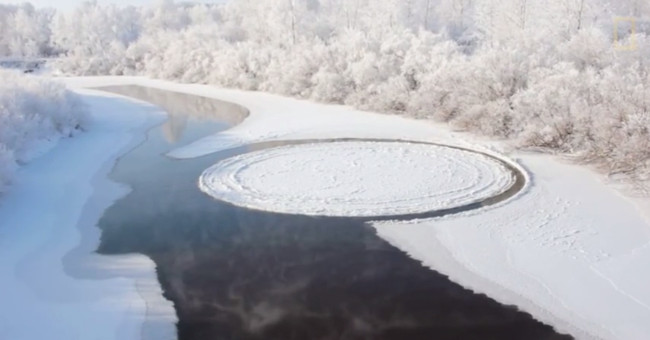
The ice circle became the concern of the researchers because at first glance, it did not seem to be moving but was actually spinning at a steady speed.
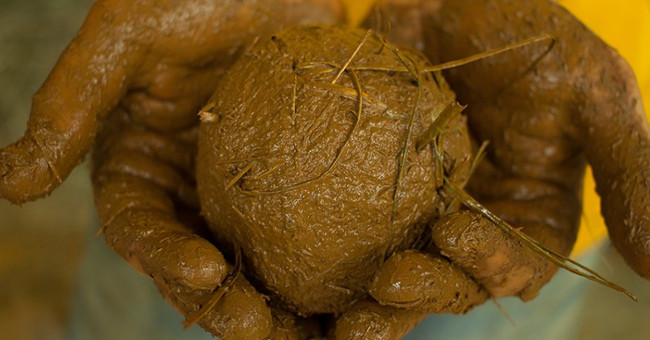
The announcement by Australian and American scientists can make us change the way we think about Earth's formation 4.5 billion years ago.
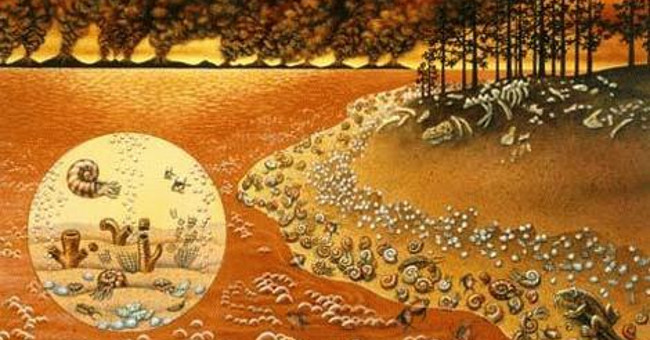
Earth is a planet formed nearly 4.6 billion years ago and life appears on its surface about 1 billion years ago.

When viewed under a microscope, our tongue is like the surface of a strange, rugged planet with taste buds.