Space science
Cosmic dust can knock off living things in the atmosphere
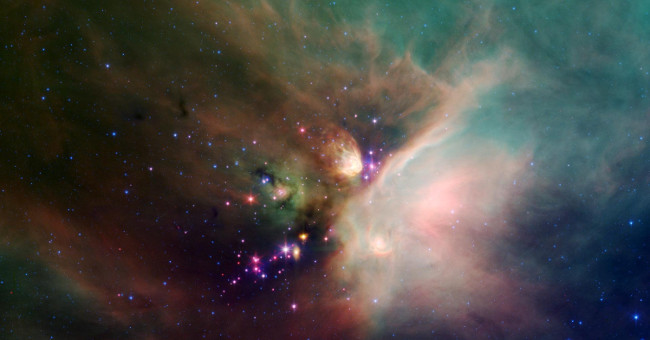
Cosmic dust particles that travel through the Earth every day can push living organisms into the atmosphere into space.
Browse ScienceInfo articles and explainers related to System.
5,630 published items.
Cosmic dust particles that travel through the Earth every day can push living organisms into the atmosphere into space.
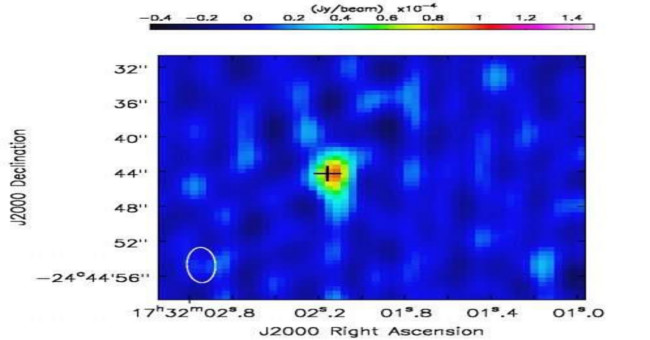
A strange source that emits gravitational waves in the universe receives the attention of the scientific community.
People with special interest in these scientific studies should probably not ignore the five interesting sites below as suggested by MakeUseOf.
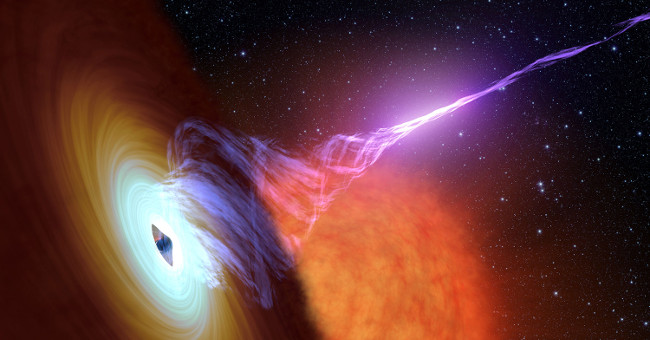
More unexpected detection involves black hole nozzles appearing in space.
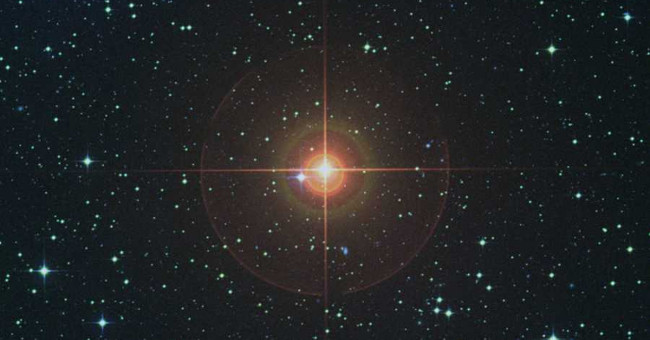
Five billion years from now, the Sun will swell and turn into a giant red star, swallowing most of the inner planets of the system.

People are up for the journey to the interstellar environment outside the Solar System.
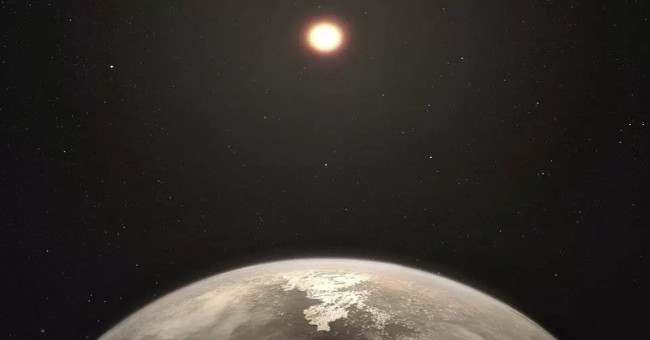
The Southern European Observatory (ESO) said on November 15 that it has discovered an exoplanet planet that has conditions for human survival.

Recently, the Southern European observatory has discovered that a planet outside the Solar System has favorable conditions for human beings to live, and they call the pl…
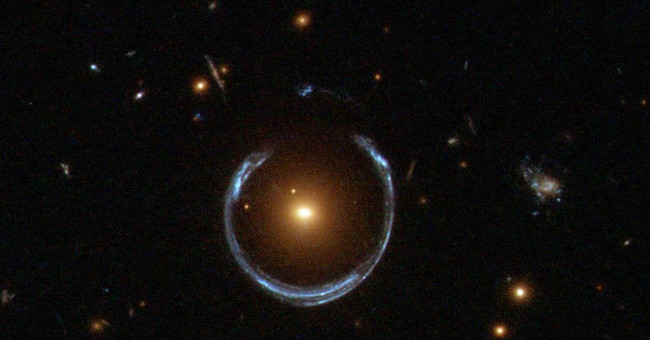
A team of astronomers from the universities of Groningen, Naples and Bonn developed a new method to find attractive lenses.
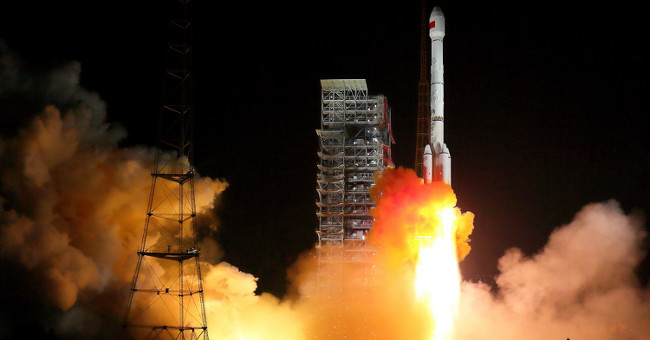
On the night of November 5, China launched Truong Chinh-3B missile carrying two satellites that led the North Dau 3 road into the universe.
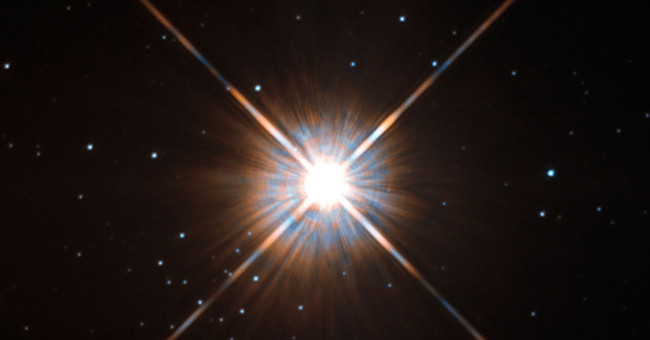
A team of astronomers discovered traces of clouds formed from cold cosmic dust surrounding the planet Proxima b discovered in 2016.
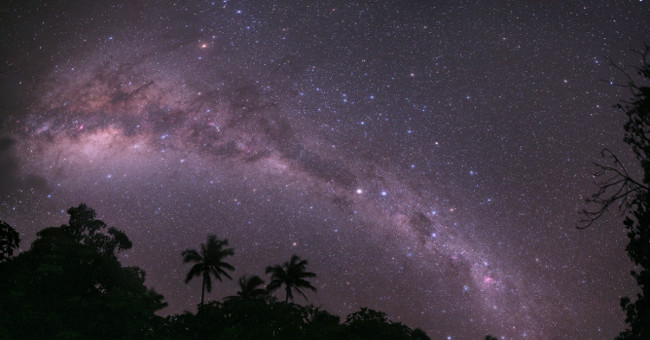
On beautiful evenings, look up at the starry sky and you will see a strip of light across the sky.
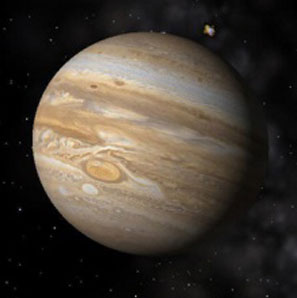
The latest simulation of scientists has shown that Jupiter's rock core is liquefied, melting and mixing with other components in the core. With this new data, astronomer…
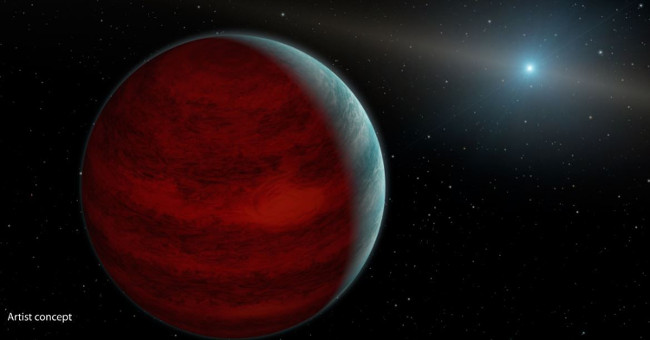
Scientists discovered the new planet is 13 times the size of Jupiter, the largest planet in the solar system, in the center of the Milky Way, according to Yahoo News.
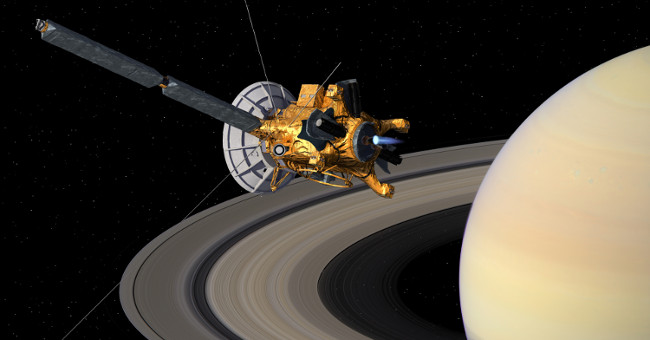
After debuting in 1997 and approaching the Saturn system in 2004, Cassini spent 13 years exploring the planet and its moons.