Space science
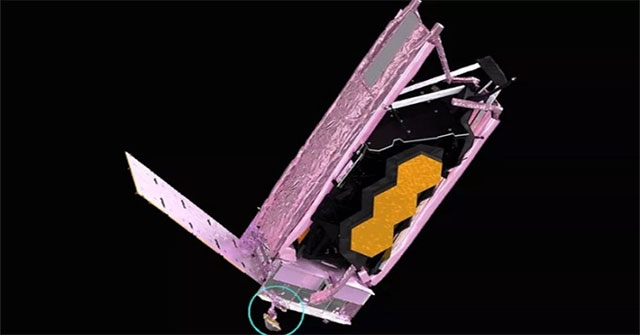
James Webb telescope successfully opened antenna
NASA's James Webb Space Telescope successfully deployed an important antenna on December 26, just a day after launching into space.
Browse ScienceInfo articles and explainers related to Telescope.
1,099 published items.
NASA's James Webb Space Telescope successfully deployed an important antenna on December 26, just a day after launching into space.
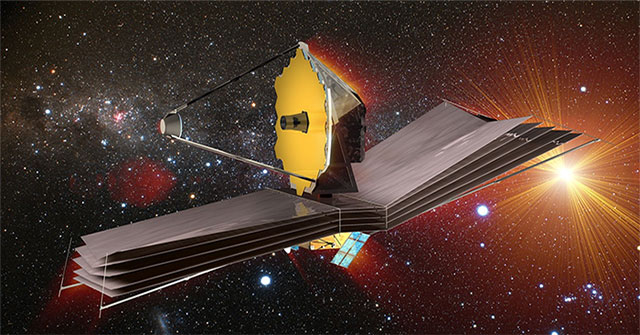
NASA's James Webb Space Telescope will outperform its famous predecessor, the Hubble telescope, in many ways, including position in space.
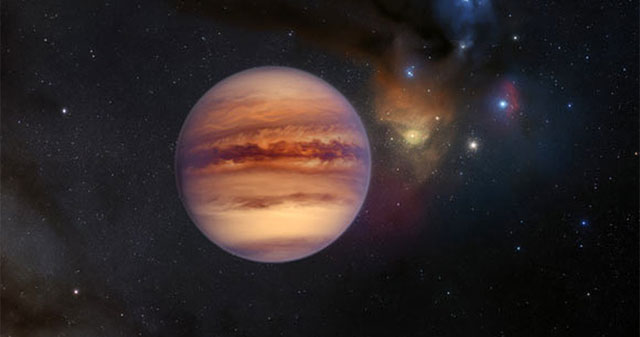
In a mysterious star-forming region located in the constellations of Scorpio and Ophiuchus, there are at least 70 planets in a free-floating state, unbound by any sun.
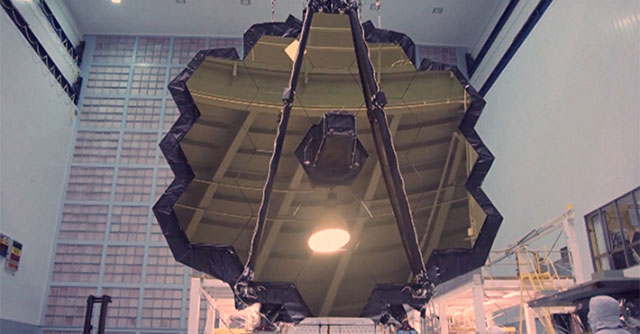
After decades of waiting, the most powerful space telescope ever built will launch into orbit on December 25, just in time for Christmas.
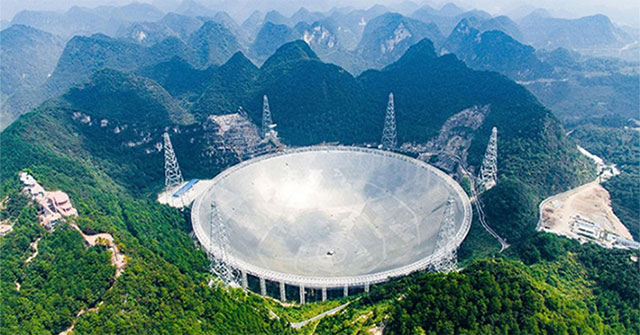
With extremely high sensitivity, the FAST radio telescope has helped scientists detect a large number of pulsars and radio signals.
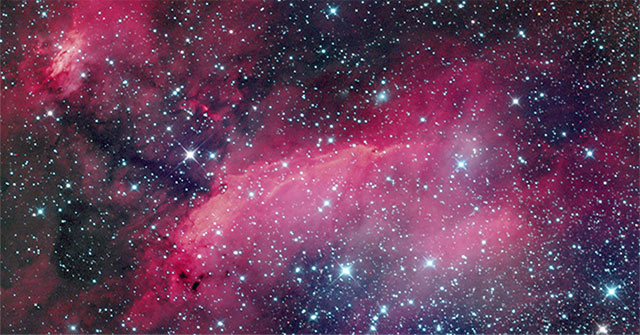
The Hubble Space Telescope has captured a beautiful view of the Prawn Nebula hovering in deep space.
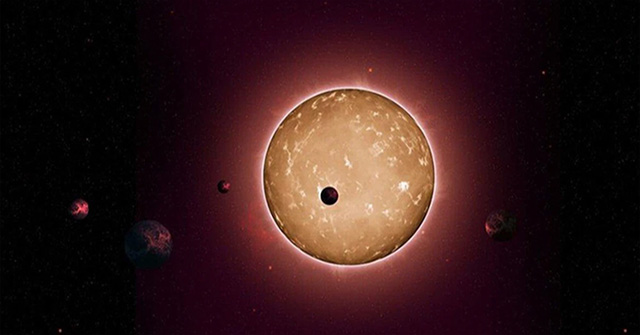
With an operating system based on Machine learning technology, 301 new planets have been discovered by NASA.
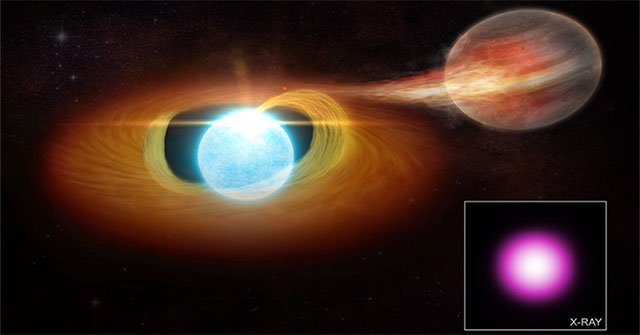
NASA's Chandra X-ray Telescope and ESA's XMM-Newton satellite investigated anomalous X-ray activity from three white dwarfs and discovered three objects that were planet…
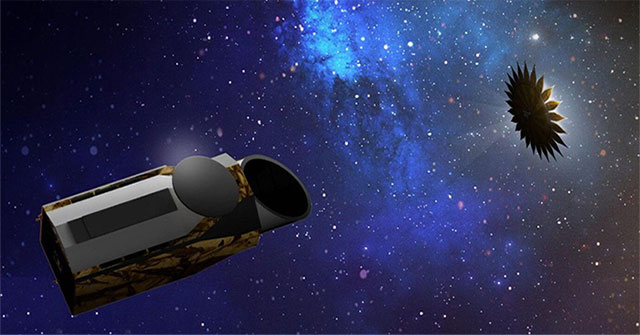
The latest survey of American astronomy and astrophysics from 2022 to 2032 recommended that NASA create a new program to develop several large telescopes.
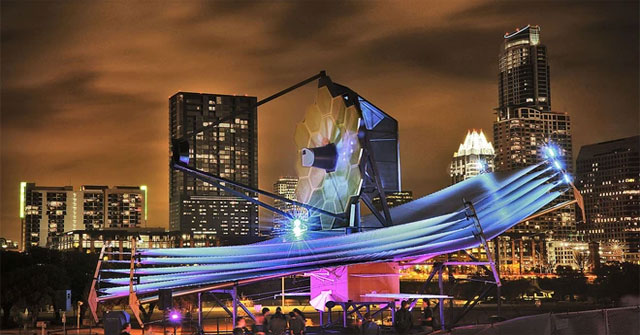
Scheduled to launch in December, the James Webb telescope is expected to answer people's questions about how the universe formed and life beyond Earth.
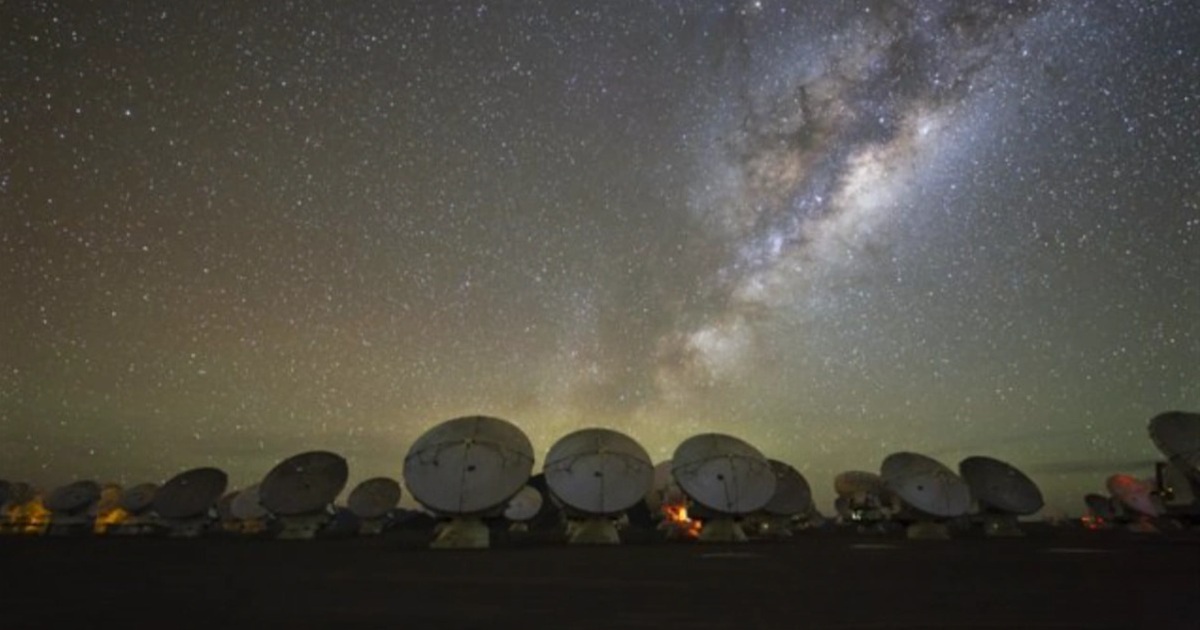
Scientists have found signs of water in a galaxy about 12.8 billion light-years from Earth, the furthest place ever found.
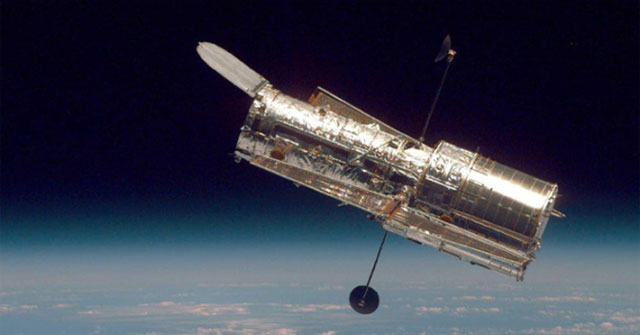
Astronomers propose to build a new telescope to replace Hubble with the ability to observe distant and super faint exoplanets.
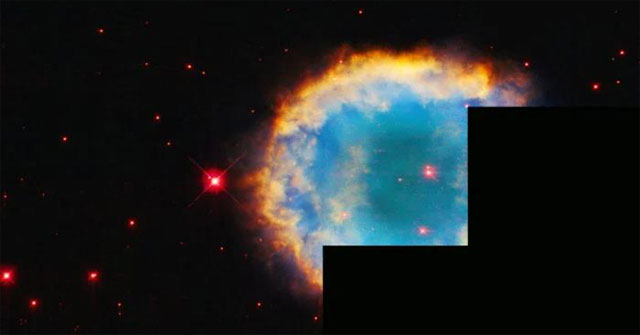
The Hubble Space Telescope - being operated jointly by NASA and ESA - has captured a beautiful nebula 1,370 light-years away.
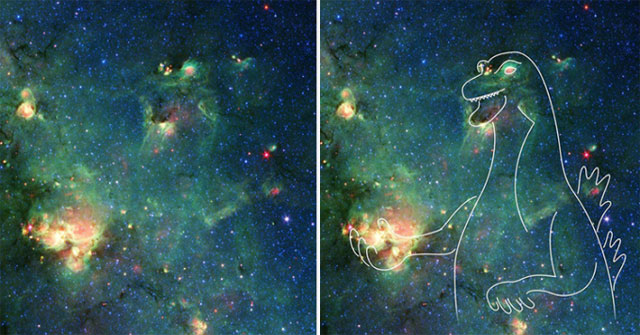
NASA's Spitzer Space Telescope sent back to Earth a stunning image of a dust cloud thousands of light-years away.
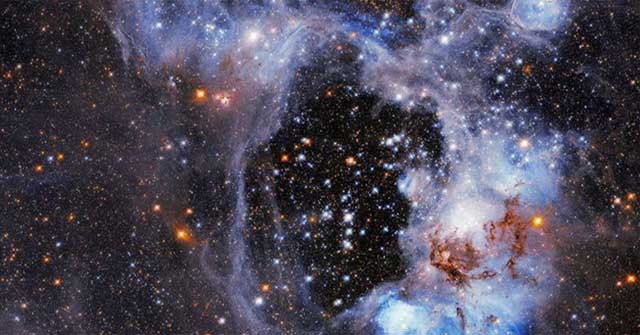
N44 is a very special nebula when it comes to the appearance of a 'super bubble' - a dark and mysterious void in the middle.