Space science
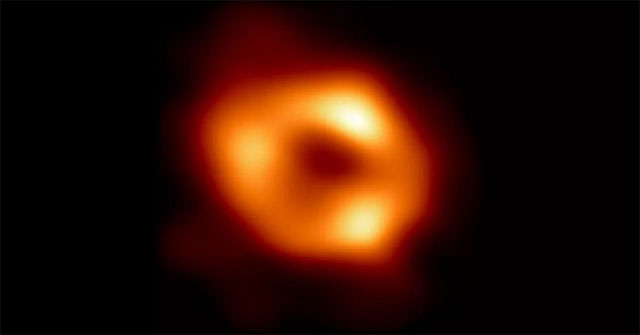
Scientists plan to film super black holes
After the first image of the Milky Way's black hole, the Event Horizon telescope is ready to take the next step to image the chaotic flow of gas around the black hole.
Browse ScienceInfo articles and explainers related to Telescope.
1,099 published items.
After the first image of the Milky Way's black hole, the Event Horizon telescope is ready to take the next step to image the chaotic flow of gas around the black hole.
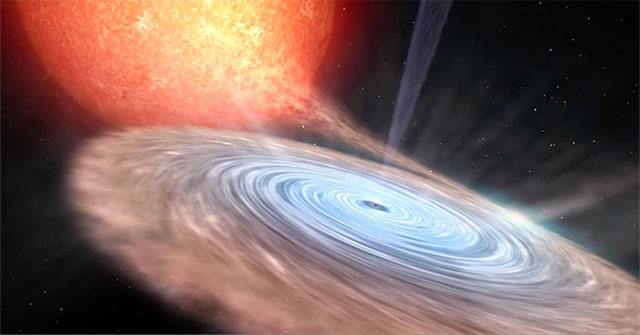
Just like how bats emit sound waves and see objects through reflected waves, NASA's NICER telescope accidentally discovered 8 invisible monsters right in the Milky Way.
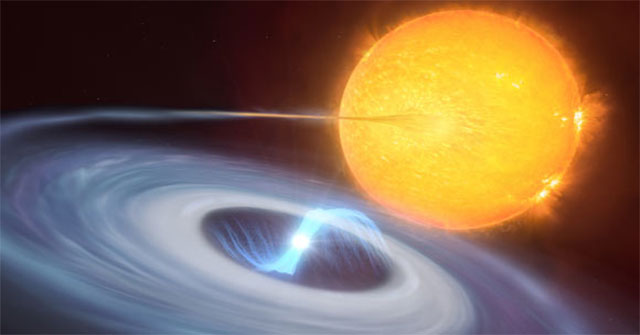
When reviewing data from exoplanet hunter TESS, the scientists encountered what was not a planet, but a dazzling beam of light from the unidentifiable object.
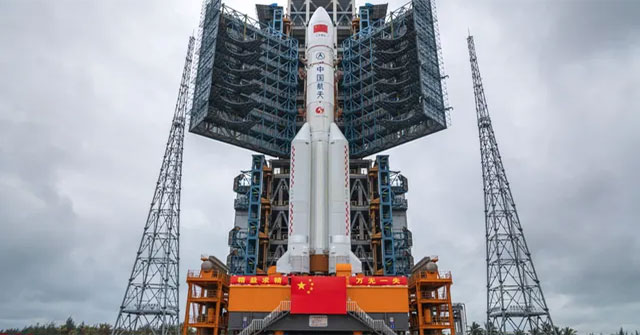
This month, Chinese researchers will publish details of a second Earth-finding project.
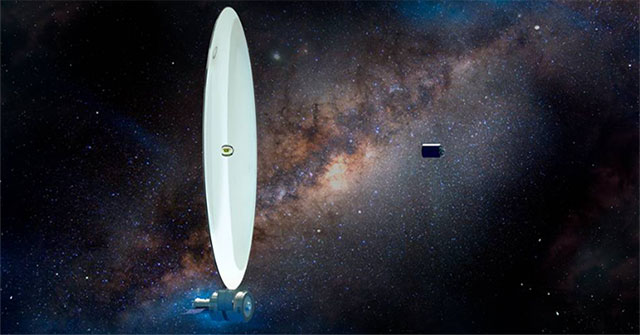
NASA is testing a new method to build a telescope 10-100 times larger than the most modern glasses today.
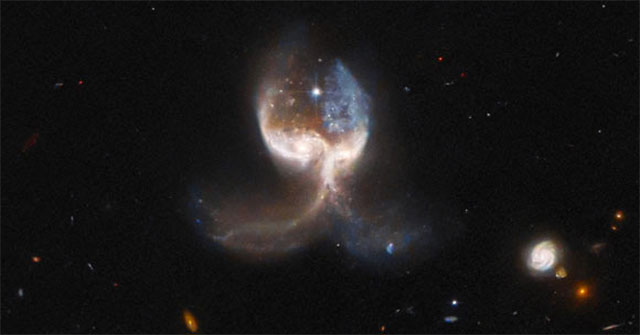
A window into the future has been captured by the Hubble telescope: A view of two equally massive galaxies that make up the object known as the Angel's Wing.
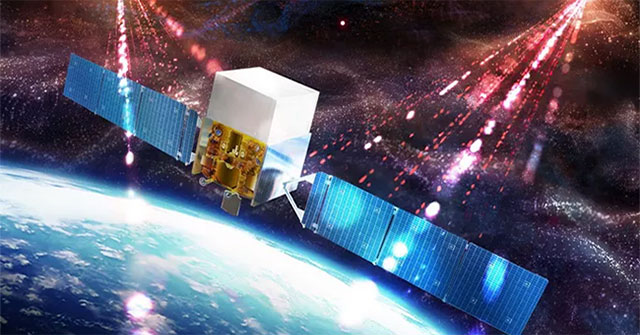
FERMI - NASA's super gamma-ray space telescope - could be the next warrior on a mission to hunt down the merger and collision events of the most terrible monsters in the…
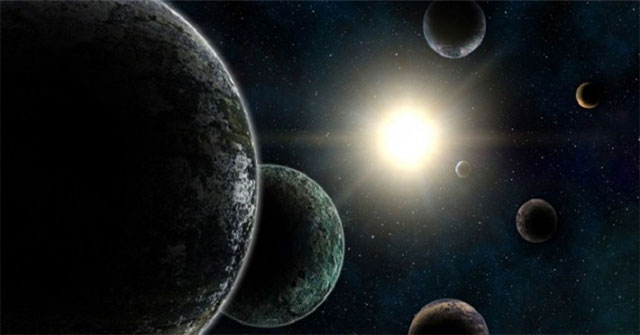
With 10 to 15 times stronger than NASA's Kepler telescope, the new Chinese satellite will find exoplanets in the habitable zone of a Sun-like star.
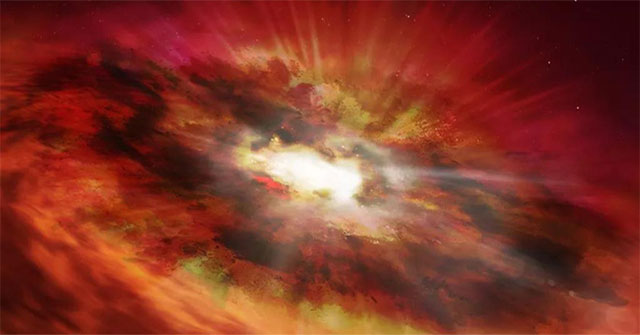
An image more than 13 billion years ago from an ancestor of monstrous black holes was captured by the NASA/ESA Hubble Space Telescope.
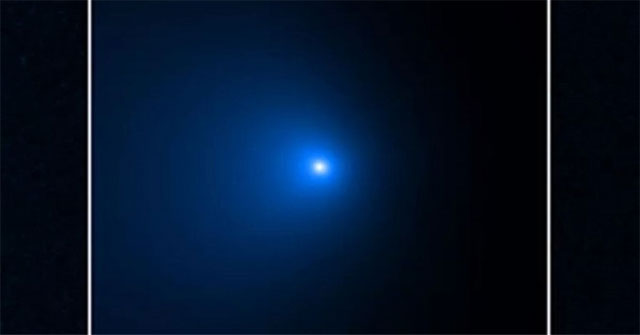
The Hubble Space Telescope photographed the largest comet ever recorded, helping astronomers calculate its enormous size.
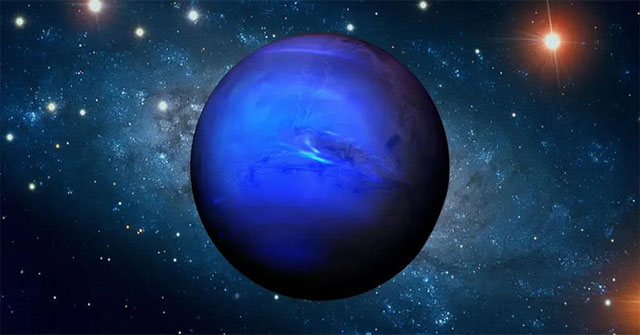
Six super telescopes have focused on Earth's coldest and most mysterious brother and discovered very strange things are happening on this planet.
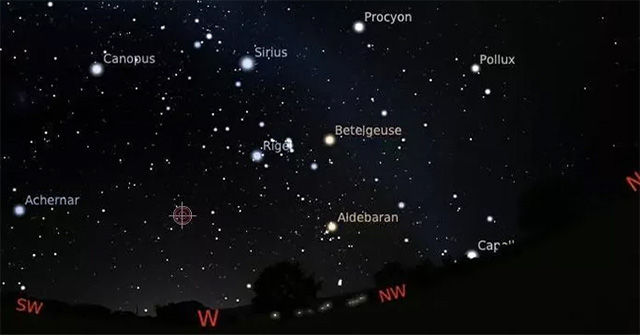
The MeerKAT radio telescope in South Africa has captured a ghostly, laser-like cosmic object that traveled 5 billion light-weights to reach our world.
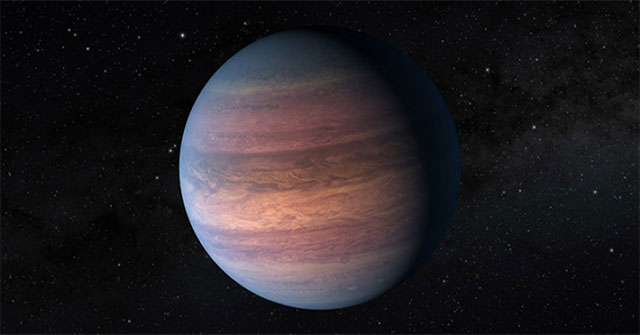
Analysis of a trove of old image data from the Kepler space telescope reveals a gas giant exoplanet very similar to Jupiter.
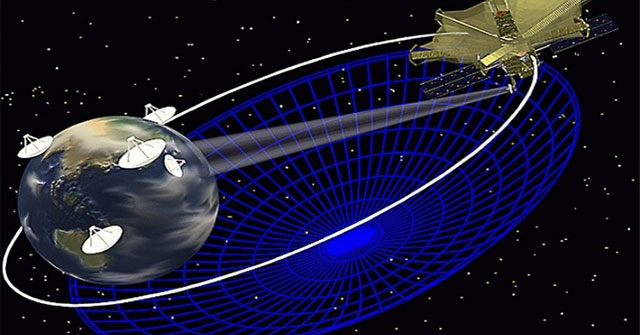
China will launch an observatory orbiting the Moon to create a radio telescope with a diameter of 400,000 km.
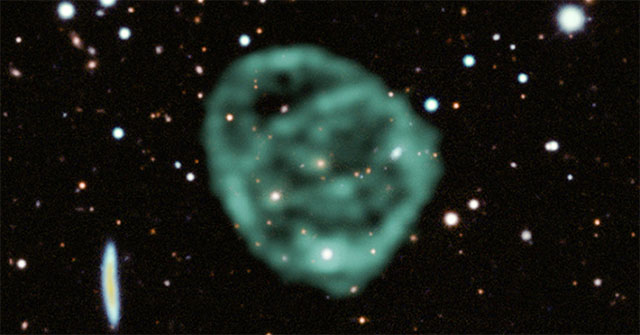
The MeerKAT Radio Telescope has sent back to Earth a stunning update of the mysterious radio circle known as ORC1.