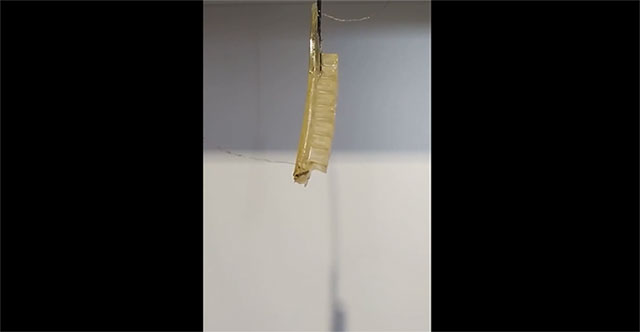
Scientific application
Cambridge University team develops self-healing material made of salt and gelatine
Instead of needing to be heated, the new material can heal itself at room temperature and continue to function without human intervention.
Browse ScienceInfo articles and explainers related to Temperature.
2,022 published items.
Instead of needing to be heated, the new material can heal itself at room temperature and continue to function without human intervention.

A team of US and Chinese researchers have found the exotic metal in a material where charge is carried not by electrons-electron particles, but by a wave-like entity cal…
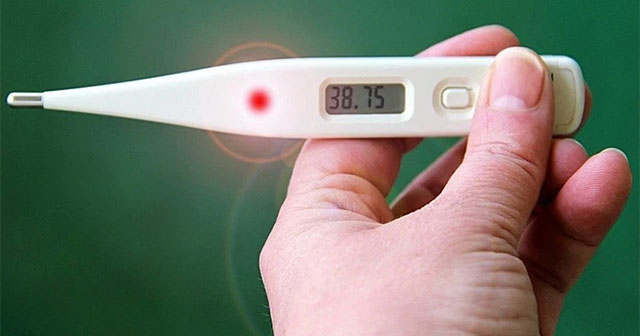
Harvard University, USA, is about to launch a new type of thermometer, elastic, super-fast response.

On January 27, snow covered Jerusalem and the Eastern Mediterranean after a snowstorm, the whole holy land turned into a snow-white fairyland.
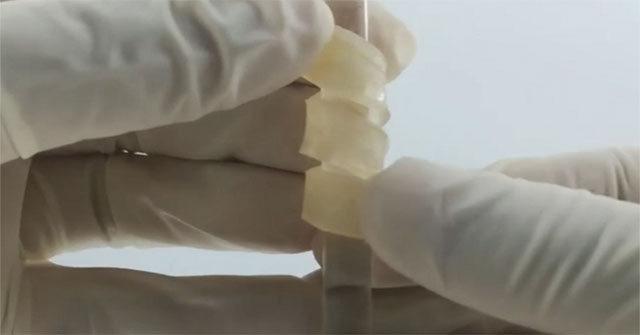
Chinese scientists have developed a new type of composite material that is a thousand times more resistant to fire, mold and mildew.

Earth's temperature could rise by as much as 4°C by the end of this century, despite commitments made at the COP26 Climate Summit, according to a new report.
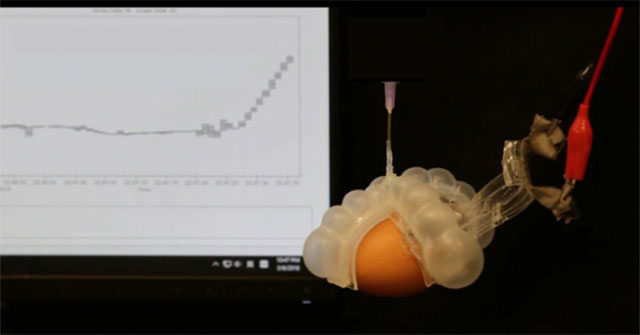
Scientists have developed a flexible, stretchy thermal sensor that is simple in construction and responds very quickly to temperature changes.

Snow and ice cover the sand in the Sahara Desert after the temperature here dropped to -2 degrees Celsius under the influence of a high-pressure cold air mass.

Climate change may have been the main cause of the extinction of ancient lions and bears about a millennium ago.

When we are young, time passes more slowly than when we are adults. Similarly, when bored, time seems to go on forever.

This method has been applied in China to neuter cats without castration.

Water, sand, wind, and low temperatures create naturally shaped columns of sand on the shores of Lake Michigan.
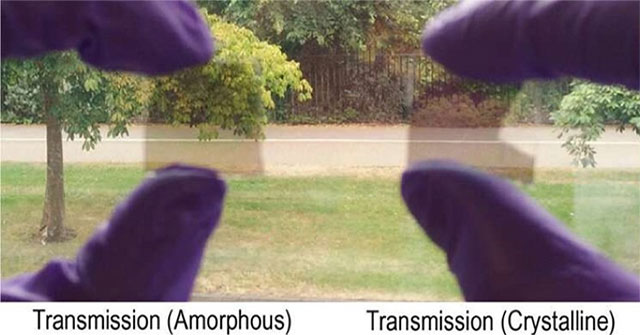
Windows play a big role in heating and cooling the house. However, that is also considered a big problem. Therefore, scientists have studied smart window design, adaptin…

In 2021, the Arctic region saw 7,278 lightning bolts, twice as many as in the previous nine years combined. This is a rare phenomenon.

Most countries on Earth are likely to experience extreme heat waves every two years by 2030.