Space science
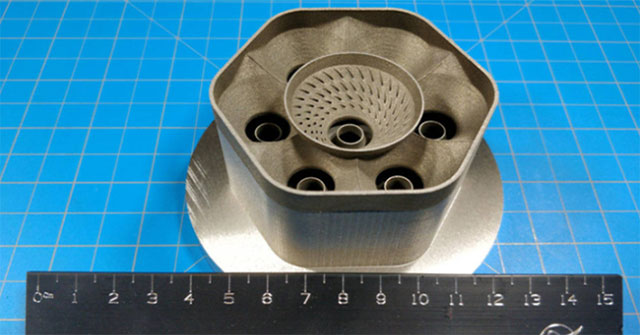
NASA creates a new alloy that increases durability by 1,000 times
The GRX-810 alloy, developed using modeling and 3D printing, can withstand temperatures of more than 1,000 degrees Celsius.
Browse ScienceInfo articles and explainers related to Temperature.
2,022 published items.
The GRX-810 alloy, developed using modeling and 3D printing, can withstand temperatures of more than 1,000 degrees Celsius.

Summer is a time when everyone is on the go, but hot weather might not be good news if you're planning to fly.

The documentary 'The Devil We Know' has revealed the amazing secret hidden behind the non-stick pan for more than half a century.

The thermoelectric fabric of a Chinese team of experts can power small devices and help reduce heat by up to 15 degrees Celsius.

The fight to keep the global temperature rise below 1.5 degrees Celsius has reached its final limits, according to a new report published by the world's top scientists o…

Students at the Royal Danish Academy drew inspiration from polar bears to design a shelter to help people in distress cope with the harsh snow and ice conditions.

The NASA scientist said the complete collapse of the Conger ice shelf during a time of unusually high temperatures was 'a sign of what might be to come'.
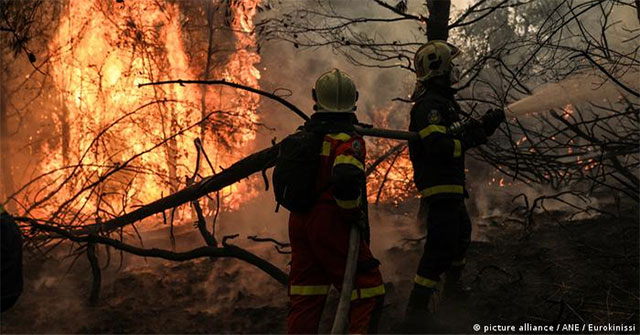
Chinese scientists recently discovered that brown carbon released from forest fires actually contributes more to global warming.

Yakutia or Sakha Republic, Russia has the most 'hell' climate in the world. It is also considered the capital of diamonds, accounting for 82% of Russia's reserves.

The British company's spherical tokamak reactor achieves new achievements, moving closer to the goal of efficient fusion energy extraction.

Overcoming the challenge of freezing temperatures, explorers located the wreck of the Endurance, the ship carrying explorer Ernest Shackleton that sank in the Antarctic…

Good news for coffee enthusiasts, temperature is a bigger risk factor than what is consumed itself.
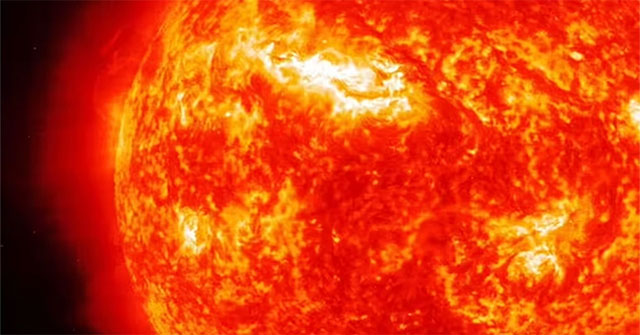
The sun has tremendous heat. But if you think that the closer to the Sun, the hotter, then you are wrong, because science has proven otherwise.
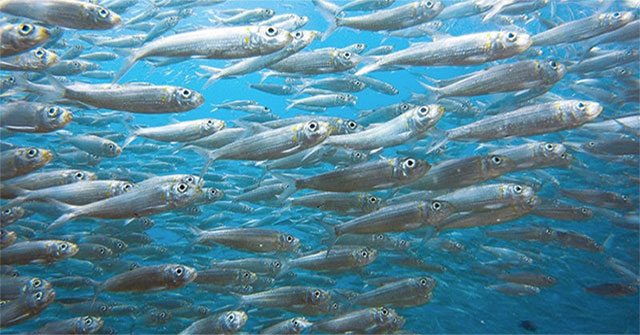
Scientists at the University of Sydney found that fish exposed to the industrial chemical BPA in warm waters often need more food to grow and reach a certain size.

Spring usually falls around March 20 in the Northern Hemisphere, but it could arrive as early as 10 days in 2100.