Science story
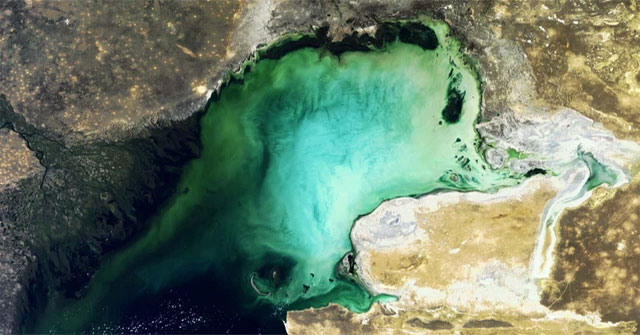
World's Largest Lake: Caspian Sea, is it really a 'sea' or a 'lake'?
Azerbaijan, Iran, Kazakhstan, Russia, and Turkmenistan, the countries that surround the Caspian, cannot agree on whether this is a lake or a sea.
Browse ScienceInfo articles and explainers related to The Earth.
767 published items.
Azerbaijan, Iran, Kazakhstan, Russia, and Turkmenistan, the countries that surround the Caspian, cannot agree on whether this is a lake or a sea.
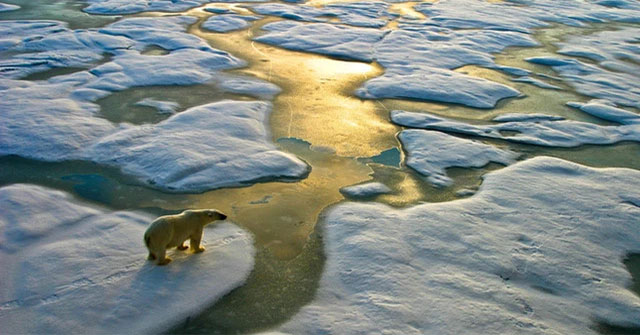
Earth's temperature could rise by as much as 4°C by the end of this century, despite commitments made at the COP26 Climate Summit, according to a new report.

Most volcanic activity happens beneath the ocean – but not everyone knows it.
You may not know when the full moon rises, a lot of strange things happen on Earth: corals lay eggs, zooplankton dive deeper, seabirds perch near the shore, lions also h…
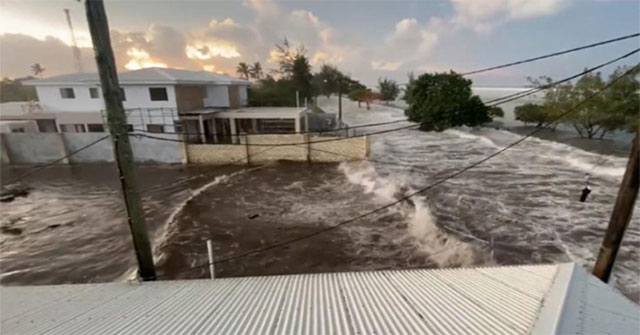
Volcanic tsunamis, like the one in Tonga on January 15, baffle scientists because of their complexity.

The undersea Hunga Tonga-Hunga Ha'apai volcano produces unprecedented amounts of lightning, accompanied by explosions that can be heard from thousands of kilometers away.

4.5 billion years ago, the Earth was covered with molten rock (magma) deep in the ocean, creating extreme temperatures common on its surface.
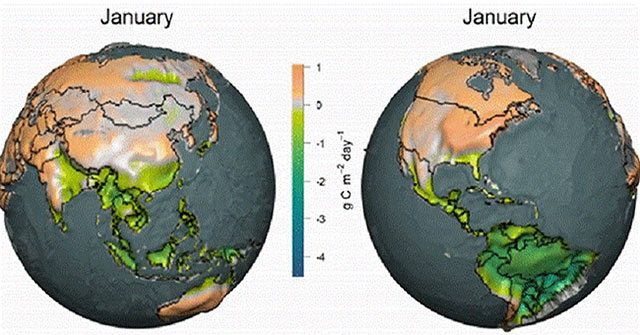
This graphic by a researcher at the Max Planck Institute shows how plants on Earth take in and release carbon with each season.
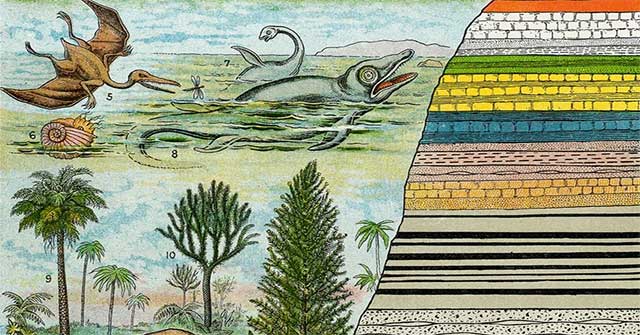
Up to the present time, the doomsday events still contain countless mysteries that humans have not been able to fully discover.
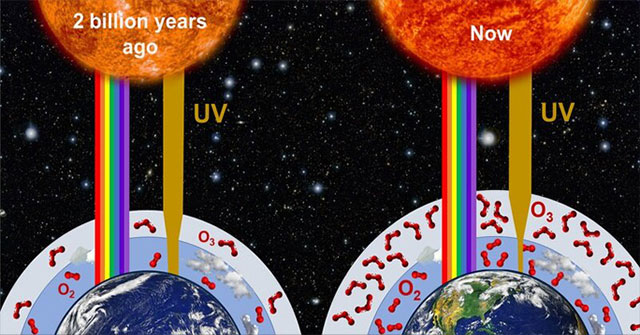
Bathed in ultraviolet (UV) rays 10 times more deadly than Earth is today, the small group of creatures continued to survive and evolve for several billion years - they w…
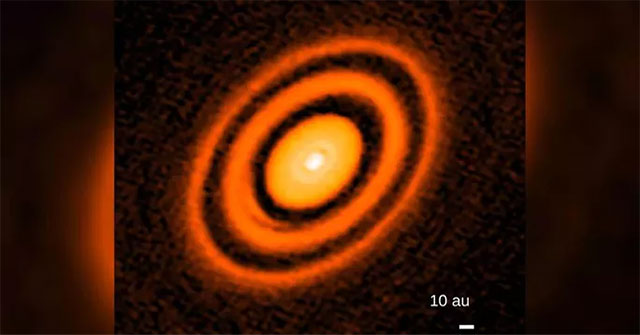
Dense rings of dust around a Sun that look nothing like the Sun today have prevented our planet from evolving into a super-Earth.
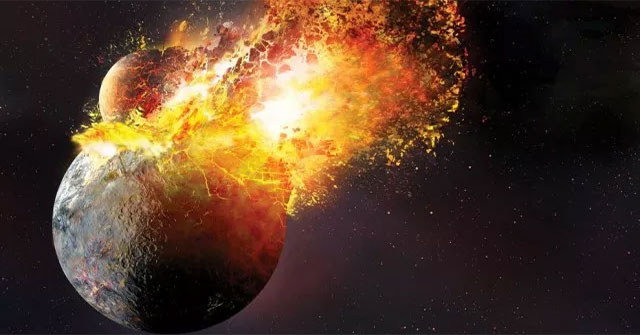
Australian scientists have come up with a shocking explanation for the extremely low-velocity region inside the Earth - another world with a giant ocean of magma, made u…
NASA scientists admit they have only found planets with some characteristics similar to Earth.
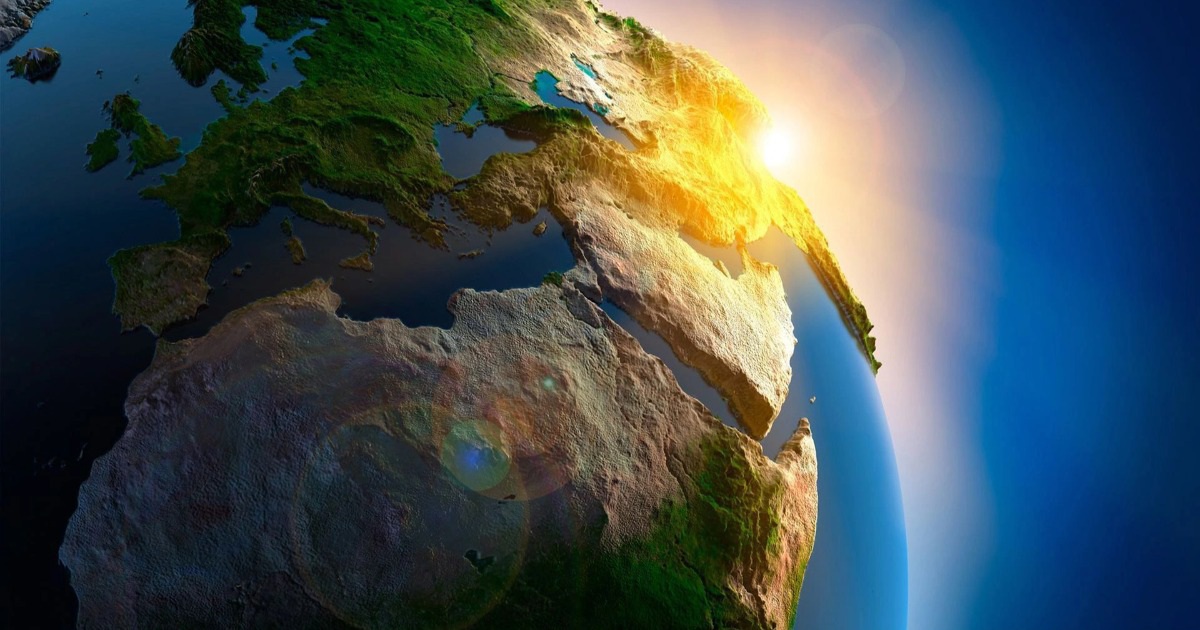
People often liken 'as old as the Earth'. But where the name 'Earth' comes from, no one knows.

Scientists have discovered a huge and terrifying source of laughing gas called Yedoma, a type of permafrost, that affects the warming of our planet.