
AI - Artificial intelligenceRobot simulation uses software models of robots, sensors, physics and environments so developers can design, test, train and validate robotic systems before or alongside…
September 12, 2026
AI - Artificial intelligenceSynthetic data for robotics is training or evaluation data generated by simulation, procedural systems or generative models instead of being captured entirely from physi…
September 12, 2026
AI - Artificial intelligenceSim-to-real in robotics is the process of transferring policies, models or control strategies developed in simulation to physical robots while managing the mismatch betw…
September 12, 2026
AI - Artificial intelligenceA robot foundation model is broadly pretrained on robot, visual, language or action data so it can be adapted across many tasks instead of being built for one fixed beha…
September 12, 2026
AI - Artificial intelligenceFoundation models are AI models trained on broad data so they can be adapted to many downstream tasks rather than being built for only one narrow job.
September 11, 2026
AI - Artificial intelligenceLarge language models are machine-learning models trained on large text collections to predict and generate language, often using the transformer architecture.
September 10, 2026
AI - Artificial intelligenceGenerative AI learns patterns from large datasets and uses those patterns to create new text, images, audio, code, and other content.
September 10, 2026
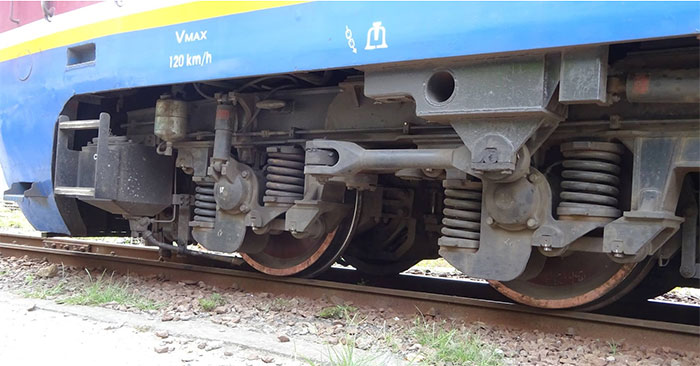
Discover scienceThe quality of train wheels plays an important role in ensuring safety throughout the operation of the train.
June 6, 2025
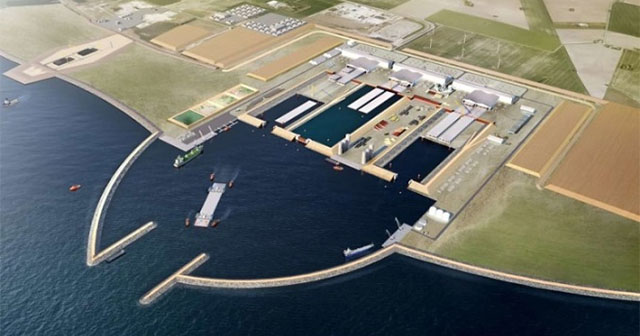
Scientific worksDenmark and Germany will soon be connected by an 18km underwater tunnel. The project is expected to be completed in 2029.
May 6, 2025

New technologyChina has successfully tested for the first time a high-speed passenger train that can fly in a vacuum tube at a speed of 1,000km/h.
March 31, 2025

Discover scienceWhen you think of strength, you usually think of guys with huge, powerful bodies.
February 2, 2025

Discover scienceNew research reveals that the huge amount of water consumed during GPT-3 training is enough to produce 370 BMWs or 320 Tesla electric cars.
January 14, 2025
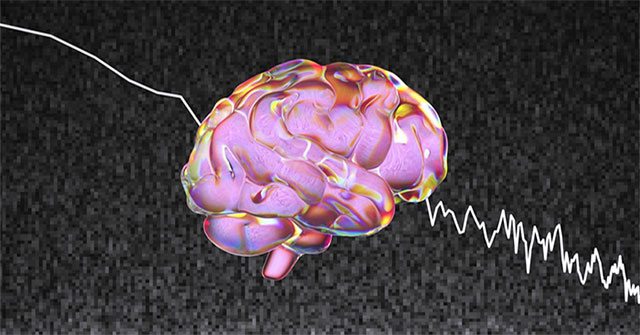
AI - Artificial intelligenceThe AI model, called Mind-Vis, was trained on a large dataset of more than 160,000 brain scans and was able to reproduce up to 84% of what humans think.
January 12, 2025

Discover scienceDue to their strict training and diet, Japanese Sumo wrestlers only accumulate subcutaneous fat, not visceral fat.
January 9, 2025
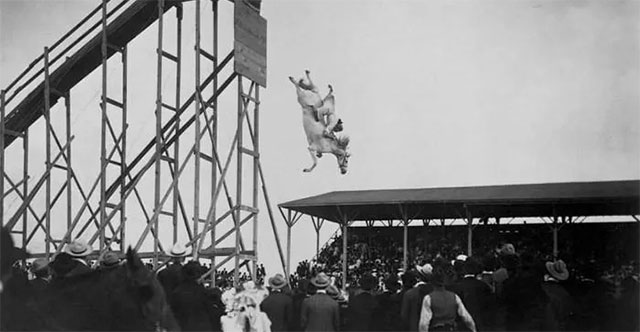
Discover scienceHorse diving began in the 1880s and was an extremely popular attraction for decades, despite the obvious cruelty to the animals and the dangers it posed.
January 8, 2025