Discover science
How did the Shinkansen bullet train change the world?
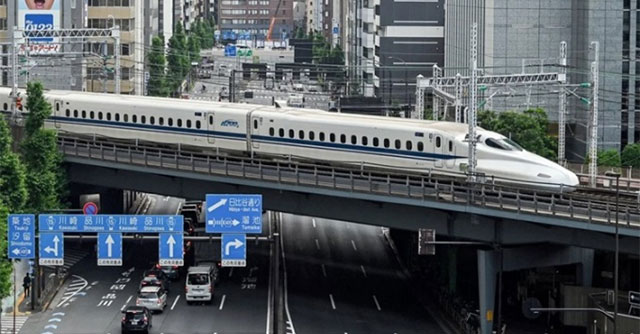
The Shinkansen bullet train, launched 60 years ago, revolutionized high-speed transportation not only in Japan but also in many other countries around the world.
Browse ScienceInfo articles and explainers related to Train.
831 published items.
The Shinkansen bullet train, launched 60 years ago, revolutionized high-speed transportation not only in Japan but also in many other countries around the world.

One design that may upset many people in Japan is the fact that some train stations have waiting seats facing away from the tracks.
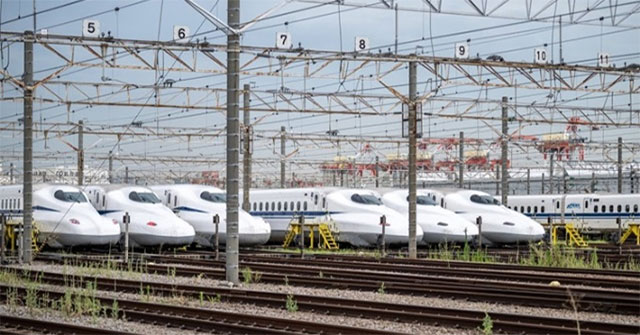
Shinkansen trains have not caused any fatalities or injuries since they began operating, and the average delay is less than 5 minutes.
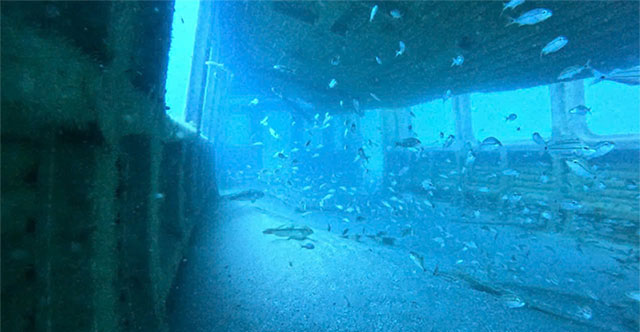
Train cars that were once packed with people in Atlanta, USA, are now lying nearly 20 meters deep in the Atlantic Ocean with fish, sea turtles and coral.
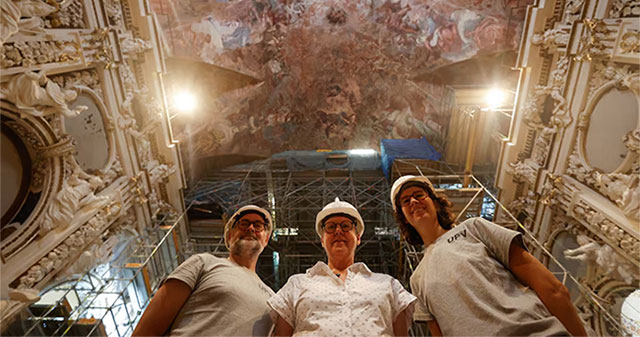
Spanish microbiologist Pilar Bosch stumbled upon the possibility that bacteria could be used in art restoration, her mother's field.

The attempt to climb Mount Everest requires months, sometimes years of training. To date, more than 300 people have been confirmed dead during the climb.

Thanks to the new AI training method, the robots were able to automatically improve their skills and participate in a simulated soccer match.
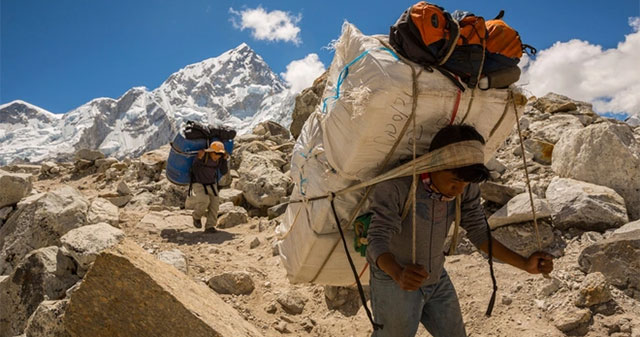
Thanks to genetics or through training, even normal people can develop superpowers.

The first prize for a falconry competition in the United Arab Emirates can be up to 7 million USD, according to Business Insider.
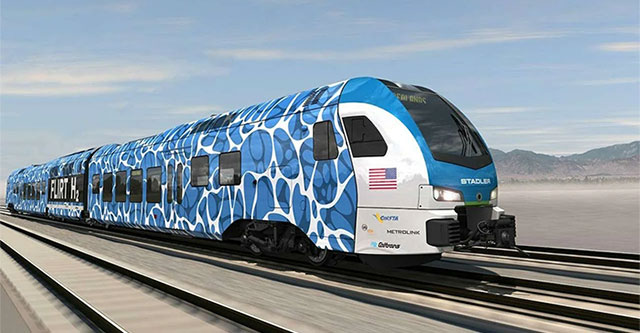
A passenger train using hydrogen fuel cells from railway vehicle manufacturer Stadler Rail set a Guinness World Record by running continuously for nearly two days for 2,…

The 1970s design of the Francis Scott Key Bridge may not have been strong enough to protect it from strong impacts from large container ships.
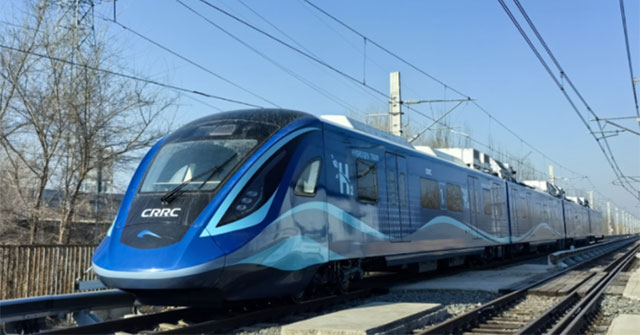
The world's first urban train using hydrogen energy has completed testing at a speed of 160km/h in China.
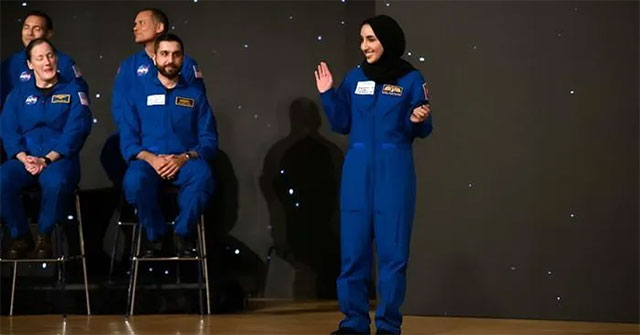
Nora Al Matrooshi, 30, became the first Arab woman to graduate from the US Aeronautics and Space Administration (NASA) training program.

The LungVax vaccine works by using a DNA sequence to train the immune system to recognize and destroy 'red flag' proteins, or mutant antigens, in lung cancer cells.
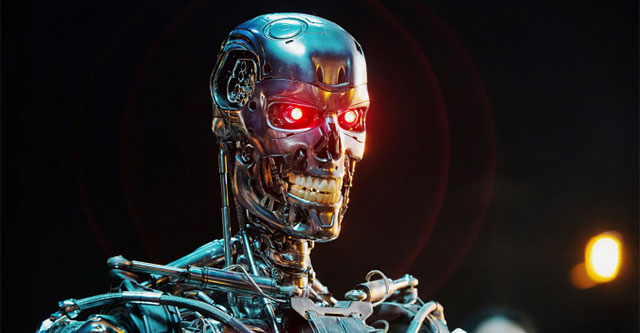
The new report, commissioned by a US government partner, warns that AI can cause...