
Environment
How Do Hurricanes Form?
Hurricanes form over warm tropical oceans when the atmosphere and ocean supply a specific combination of heat, moisture, rotation and organized thunderstorms. In other r…
Browse ScienceInfo articles and explainers related to Tropical.
683 published items.
Hurricanes form over warm tropical oceans when the atmosphere and ocean supply a specific combination of heat, moisture, rotation and organized thunderstorms. In other r…
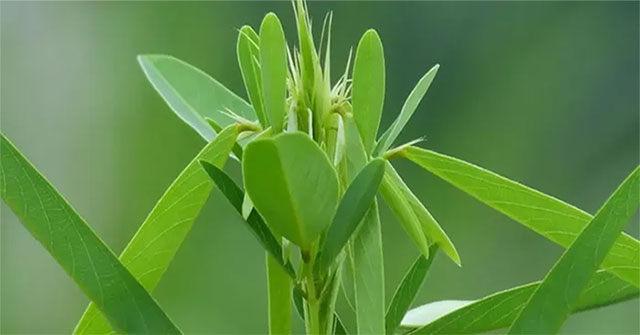
This plant species surprises scientists with its ability
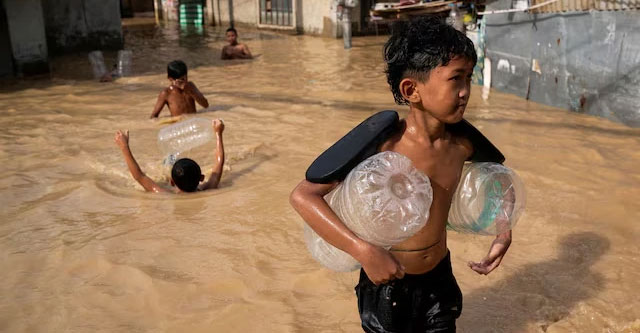
Climate change is making the Philippines more vulnerable to tropical storms, with rising temperatures making the country twice as likely to be hit by deadly storms.
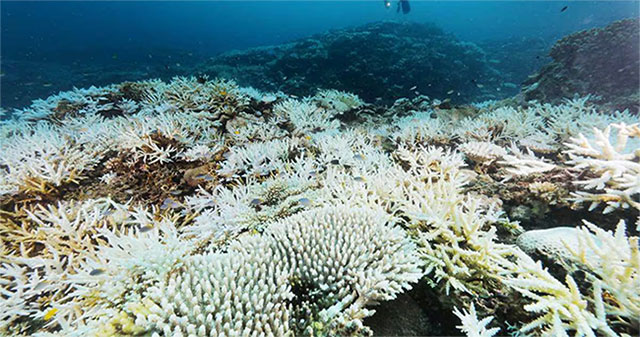
Rising ocean temperatures are fueling mass bleaching of coral reefs around the world, putting many species at risk of extinction.
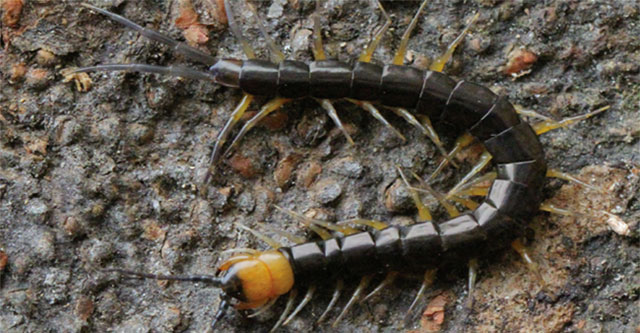
Scientists discovered the centipede Scolopendra pinguis Pocock, 1891, measuring up to 6.5 cm in size, in Phong Nha - Ke Bang forest, bringing the total number of species…

Last night, a tropical depression in the eastern Philippines intensified into Typhoon Trami. The storm is forecast to move into the East Sea.
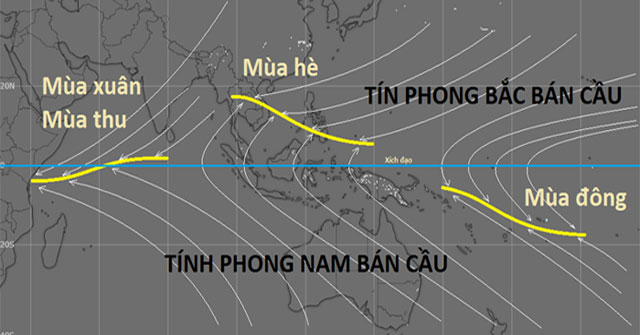
The tropical convergence zone is a band of bad weather, formed by the convergence of trade winds from the two hemispheres.

Following Hurricane Helene, a new storm named Kirk has strengthened into a Category 3 storm and is likely to become the third largest storm of this year's Atlantic hurri…
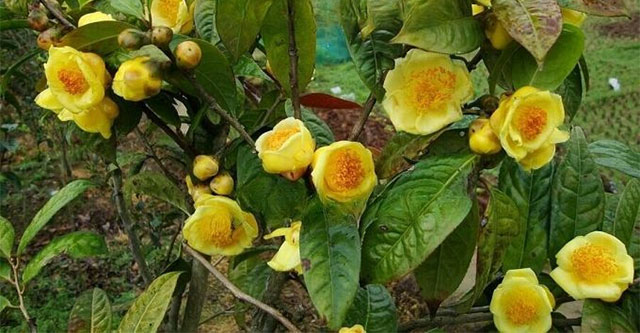
Scientists at the Center for Tropical Forestry coordinated with a number of research units to successfully build a process for producing seeds and medicinal herbs from 3…
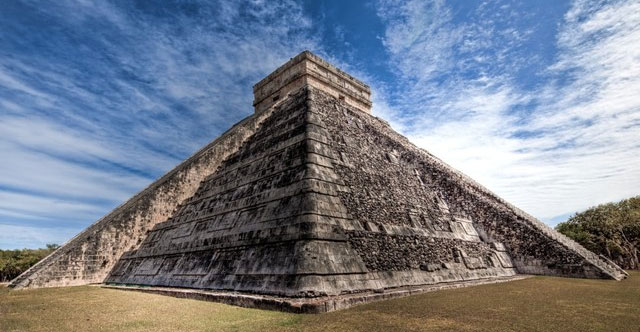
The origin of the Mayan civilization remains a mystery that archaeologists and historians are trying to decipher.
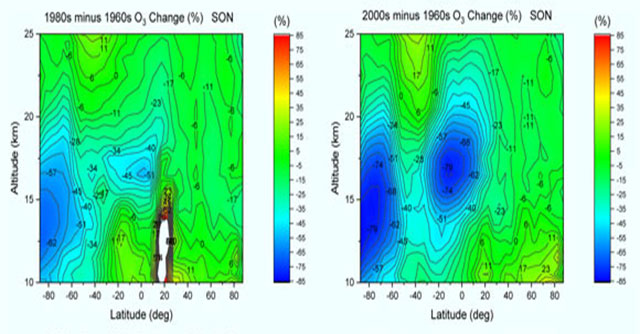
The Earth's ozone layer has appeared a new, extremely large hole, active all seasons in the lower stratosphere than the tropics.
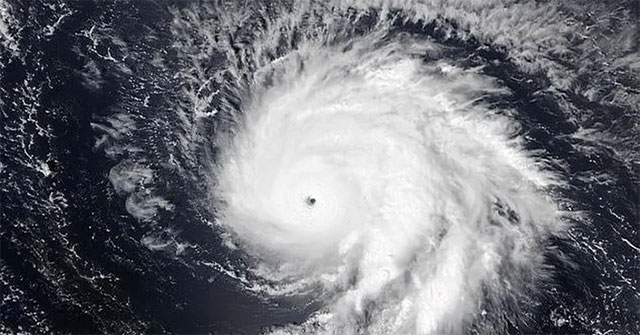
Climate change appears to be reducing the likelihood of tropical cyclones around the world, researchers have found.
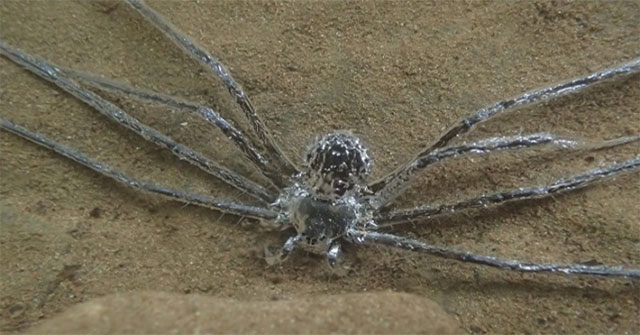
A tropical spider uses air membranes to hide under water and hide from predators for half an hour, surprising scientists.
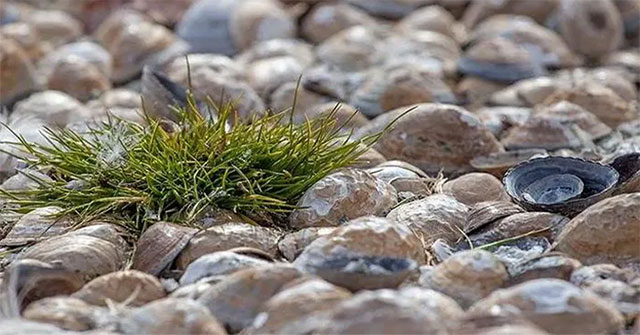
There are studies showing that in the Cretaceous period, Antarctica had a tropical rainforest climate with rich flora and fauna. But if the continent is green again, it…
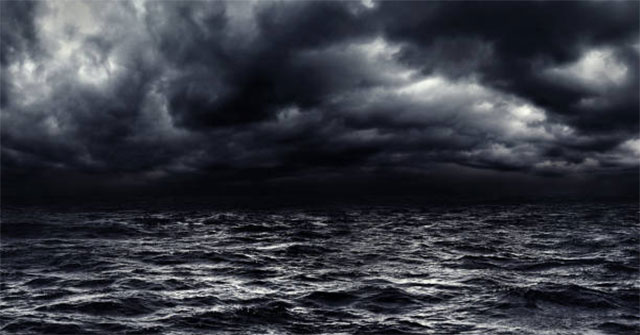
Scientists have discovered a new type of weather: an atmospheric lake. In the atmospheric lake there are small, slow-moving pools of water that form rainstorms.