
Space science
What happens after humans travel faster than the speed of light?
The speed of light is the fastest speed known to date.
Browse ScienceInfo articles and explainers related to Universe.
2,417 published items.
The speed of light is the fastest speed known to date.
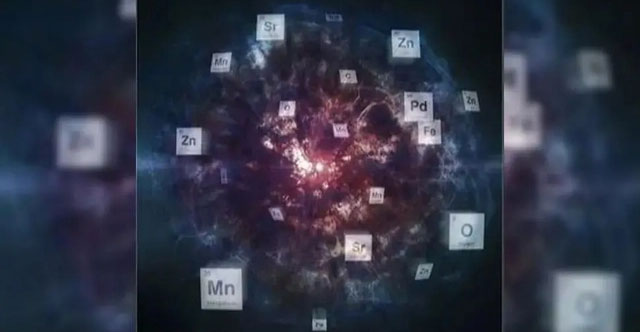
Barbenheimer is a dead entity that is completely inconsistent with humanity's understanding of the universe.
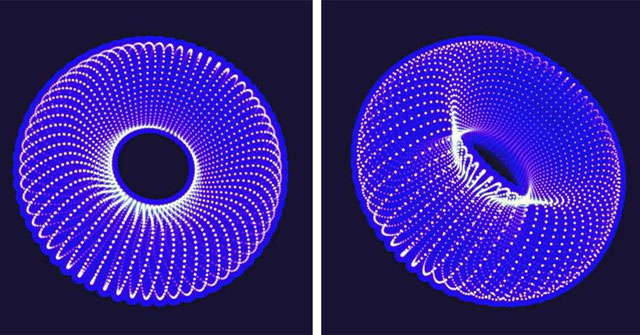
What is the shape of the universe? This is an ancient yet novel question, relevant to our knowledge and understanding of the universe and our place and importance in it.
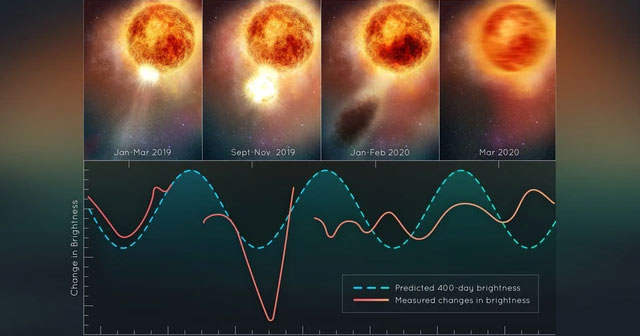
At the edge of the universe, the star cluster Betelgeuse burns silently, famous for its enormous power and strange energy.
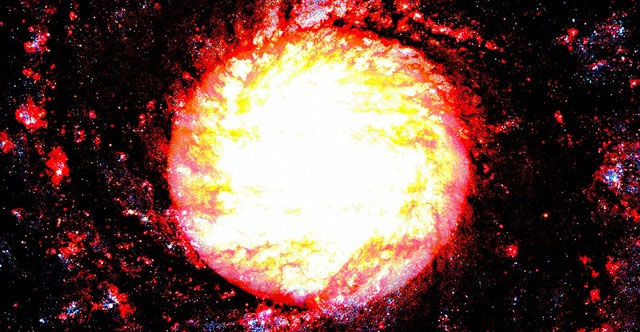
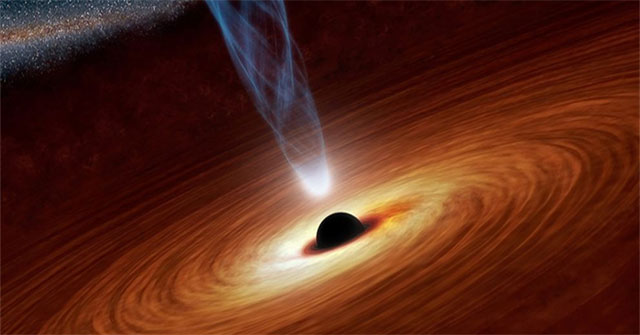
Research published on January 17 in the scientific journal Nature has revealed interesting findings about the history of the formation of the oldest black hole in the un…

This comparison of the size of the universe is overwhelming. The scale of the universe is almost beyond our imagination.
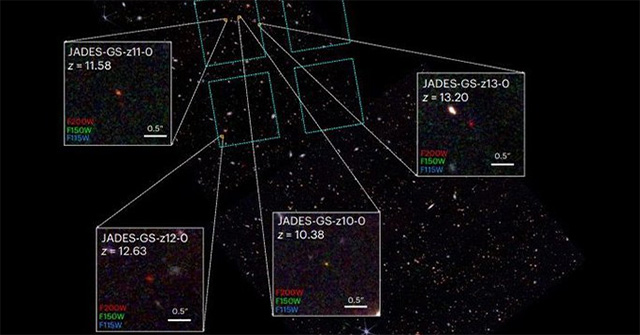
The cutting-edge James Webb Space Telescope has just set a new record by identifying the four oldest galaxies ever known in the universe, born just 300 million years aft…

At the end of the 20th century, American scientists experimented with building an ideal cage for mice, from the initial 4 couples they cloned 2,200 mice and then gradual…
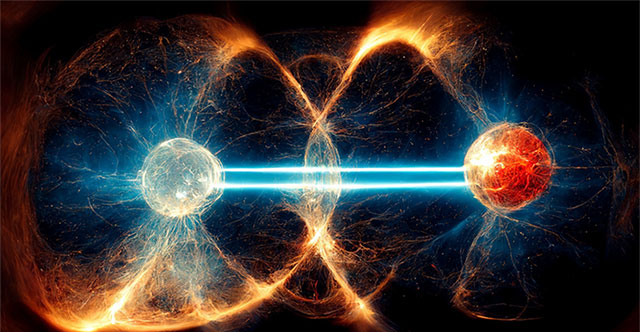
There are countless mysteries and intrigues in our vast universe. One of them is whether there is a connection between the existence of extraterrestrial life and Earth.
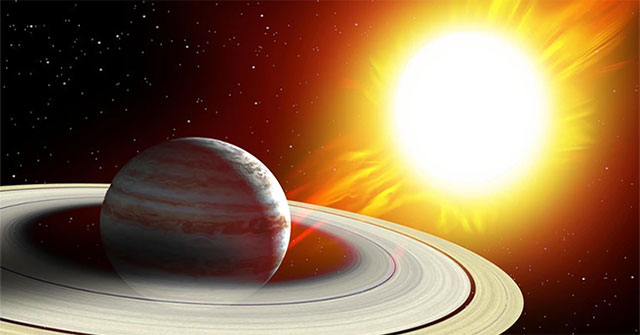
Deep in the universe, there are many mysterious planets and stars. One of them is Tabby.

Surely many people have heard of the concept of multiverse, but many people only consider it a concept in science fiction movies, far from our real world.
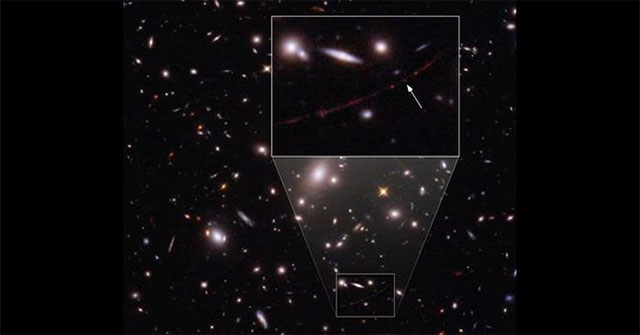
Earendel is millions of times brighter than the Sun, belonging to the class of stars
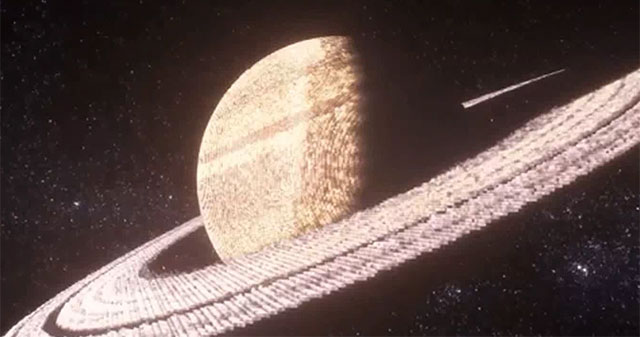
Passionate about Minecraft - a popular building game, Christopher Slayton has created black holes, stars and galaxies... in an extremely impressive way.

Albert Einstein (1879-1955) was one of the most famous scientists of all time, to the point that his name has become almost synonymous with the phrase