Space science
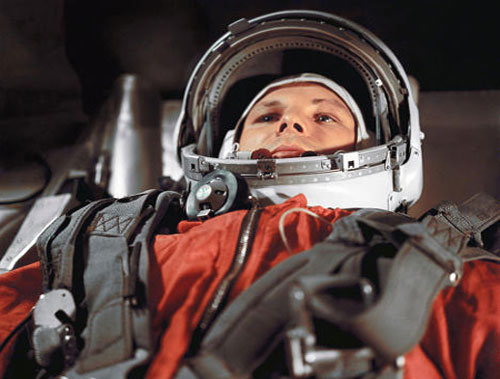
Announcing the cause of Gagarin's death
The first astronaut to fly into space died when his plane dived to avoid a hot air balloon in 1968, documents recently declassified by the Russian government.
Browse ScienceInfo articles and explainers related to Universe.
2,417 published items.
The first astronaut to fly into space died when his plane dived to avoid a hot air balloon in 1968, documents recently declassified by the Russian government.
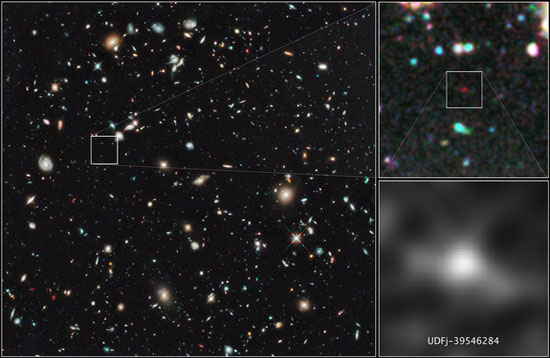
A group of international astronomers has just announced the discovery of the oldest galaxy formed from 13.55 billion years ago.
Astronomers saw such a strange explosion in the universe that they did not even know what to name in accordance with the nature of the explosion.
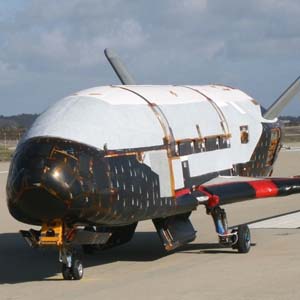
A US Air Force miniature experimental spacecraft took off from Florida on March 5 in a secret mission that could last nine months.
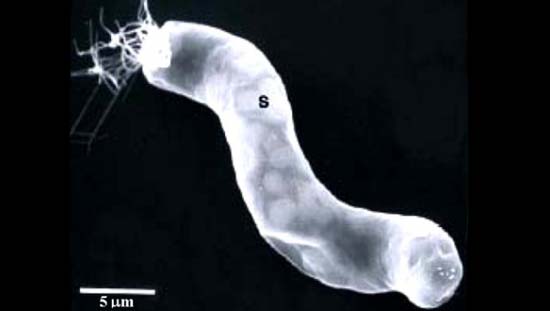
A NASA scientist recently claimed to have found evidence of extraterrestrial life on a meteorite.
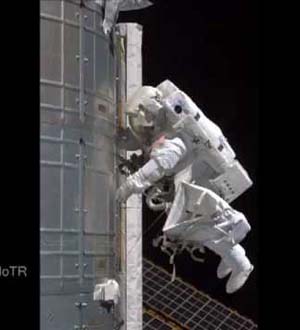
The International Space Station (ISS) 's arm was suddenly broken while two American astronauts walked out of space yesterday, causing one to get stuck for nearly 20 minu…
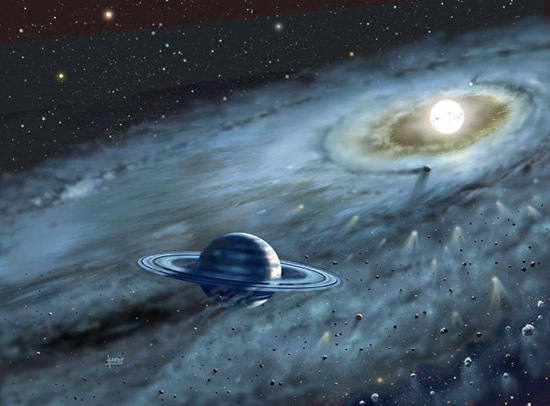
An Harvard astronomer (USA) has concluded that extraterrestrial life does not exist and that we live
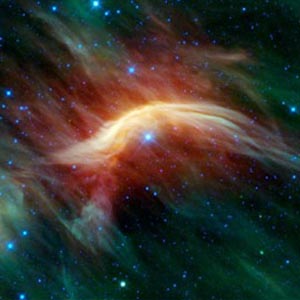
Thanks to an orbiting observatory called WISE, NASA scientists have captured shock waves caused by a star that is fleeing in the universe at speeds of up to 54,000 miles…
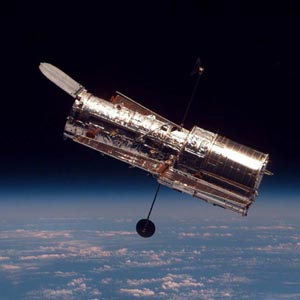
Hubble has discovered the galaxy that scientists believe to be the oldest and most remote ever discovered.

Three types of Vietnamese flower seeds were sent into space by Japanese missiles. Expected, in April they will be brought back to earth.
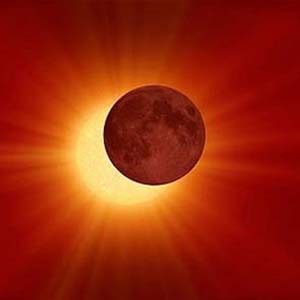
Japanese scientists are preparing to study the production of solar power by satellites in the universe and transmit electricity generated to the Earth by microwave techn…
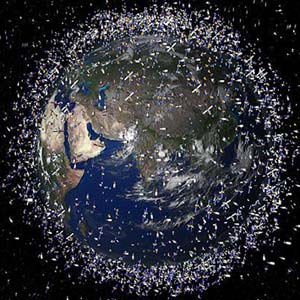
With the speed on Earth orbit, more than 28,000 km / h, a tiny piece of trash can also be disastrous.

The latest information from NASA shows that there are 54 extrasolar planets that contain potential for life.
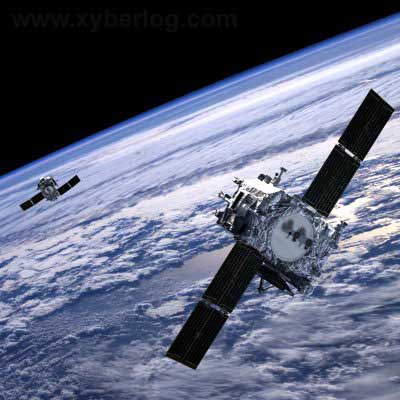
US and French defense ministers signed a cooperation agreement yesterday to monitor space junk and prevent the risk of collisions between artificial satellites of the tw…
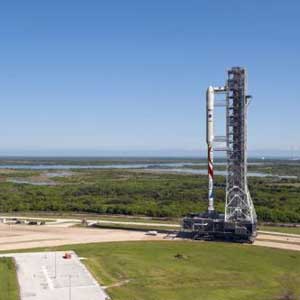
The world's two leading rocket companies want to make rockets capable of taking people into space without spacecraft.