New technology
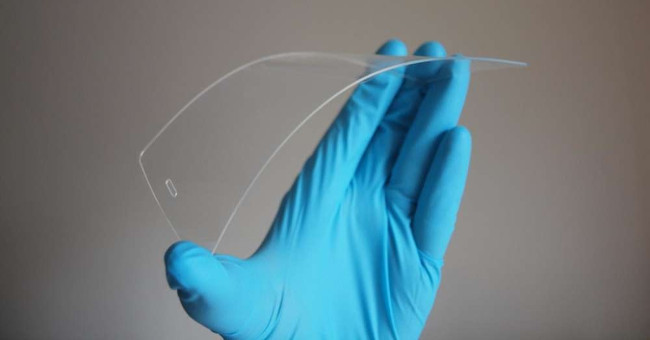
Coming soon graphene smartphone screen 'can't break'
Scientists from Sussex University have found a way to combine silver nanoparticles with graphene to create a new generation of cheaper, harder and more durable screens.
Browse ScienceInfo articles and explainers related to University.
4,907 published items.
Scientists from Sussex University have found a way to combine silver nanoparticles with graphene to create a new generation of cheaper, harder and more durable screens.
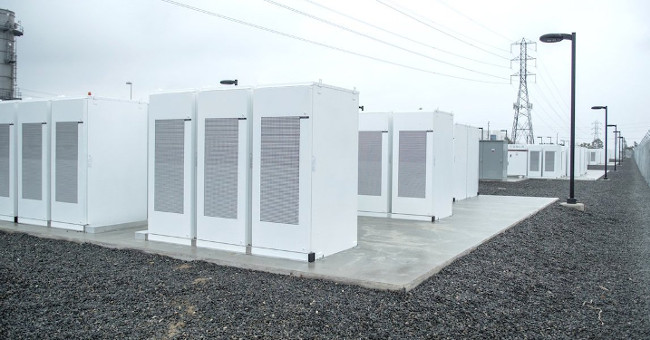
A research team from Stanford University has developed into a battery park that uses sodium at a much cheaper cost than lithium-ion batteries.
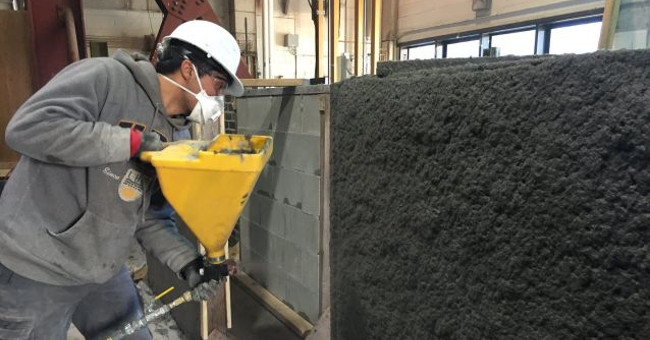
Scientists at the University of British Columbia (UBC), Canada, developed a spray-type, environmentally-friendly concrete.

Engineers at Cornell University, USA, developed a stretchable surface capable of changing the structure from 2D to 3D, allowing it

Correspondent ANSA said it was the result of a 10-year study by scientists at Clarkson University in Potsdam, New York.
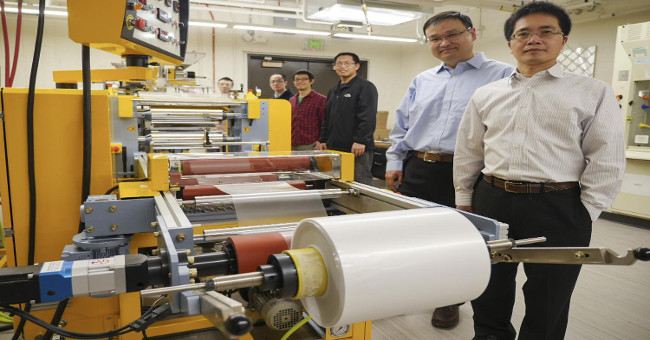
Scientists at the University of Colorado Boulder (USA) have invented a type of metal film that works to cool the surrounding environment without using electricity.
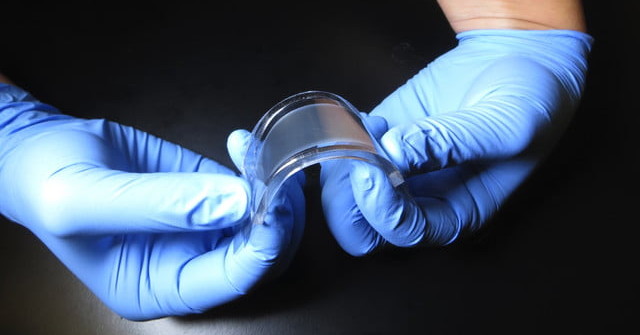
The device is only 5mm thick by graduate students at the University of California and SRI International, but is as capable of cooling as an air conditioner.

Scientists at Okinawa University of Science and Technology (OIST), Japan, successfully exploited the energy of the ocean currents, according to UPI.

Painted bright and quietly running under the trees, the EZ10 bus travels across the campus of the National Taiwan University.

Scientists at the University of Lancaster are developing a new technology that allows us to use objects around us or our body parts as a TV control.

A group of scientists from Wits University in South Africa has successfully connected the human brain to the global internet network.
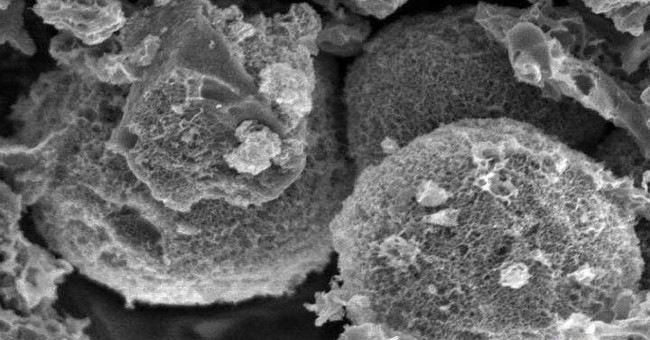
The work is led by Hongfang Ma of the Qilu University of Technology, focusing primarily on turning waste into a porous carbon material used in energy storage technology.
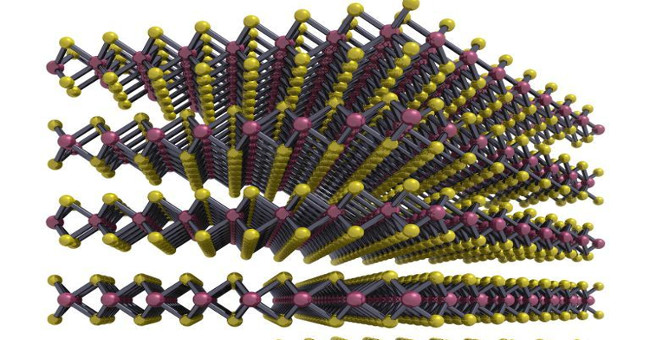
US scientists have successfully built a nanoscale machine capable of lifting 165 times its weight.
Researchers at Harvard University have created a material named

With the conventional cotton candy machine, researchers at Vanderbilt University used a polymer instead of sugar to create thin strands.