Oceanography
The secret to helping Antarctic scallops not freeze
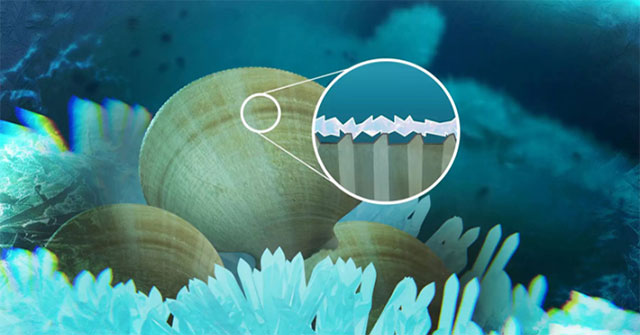
Thanks to a special shell structure with many small ridges, Antarctic scallops can survive in extremely cold environments.
Browse ScienceInfo articles and explainers related to Water.
6,456 published items.
Thanks to a special shell structure with many small ridges, Antarctic scallops can survive in extremely cold environments.

Unable to go directly to the research due to the harsh environment, Japanese experts mounted equipment on the seals' heads so that they

The WEC2P system consists of a solar cell and a hydrogel layer that absorbs moisture in the air, and can operate day and night.

The city of Kanoj, India is the only place where this long tradition of handmade perfumery is preserved.
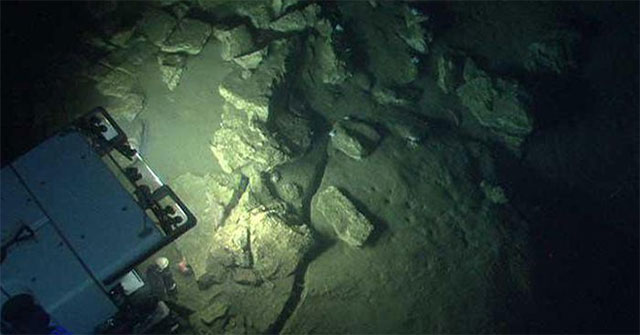
The ocean world is not only mysterious but also contains a lot of fascinating treasures.
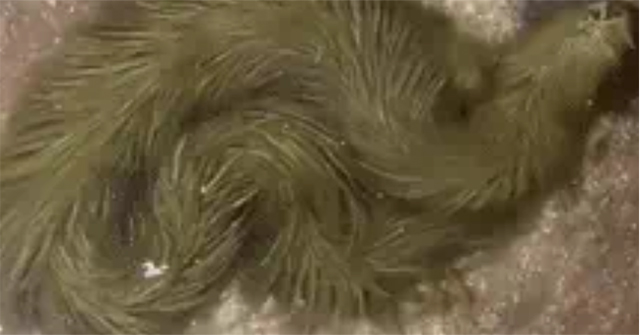
Recently, on social networks spread a video of a creature covered with a layer of moss green 'fur' swimming gracefully in the water.
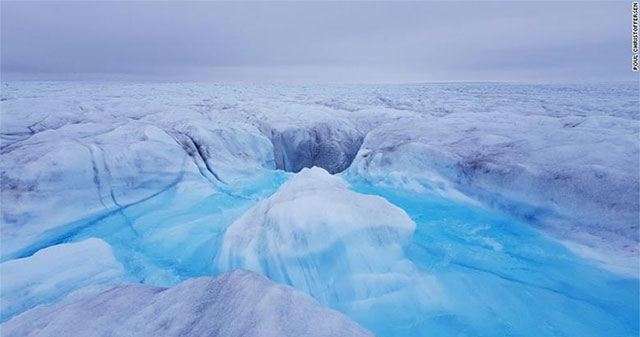
The ice covering Greenland is melting rapidly at the bottom, causing more and more water and ice to drift into the ocean, according to new research.

The Landsat 8 satellite imaged the more than 5,700 hectare solar park in the Thar desert, which has a total capacity of 2,245 MW.
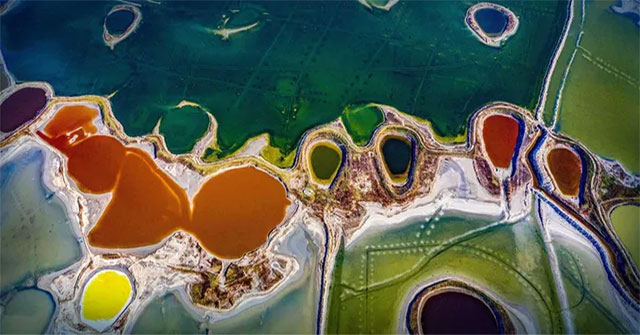
Xiechi Lake, also known as Yuncheng Salt Lake in Shanxi province, China, has become famous in recent years for its unreal beauty with impressive vibrant colors.

The emperor of the Qing Dynasty ate 120 dishes each meal, using a silver bowl and a jade spoon to spend 'mountain of money'. The source of cooking water using only water…

Since ancient times, the mystical land of China has recorded a number of mysteries with fascinating stories. Some great examples include assassinations of historical fig…

Just by solving the problem of taste, non-alcoholic beers promise to bring a new way of enjoying beer that is better for health.
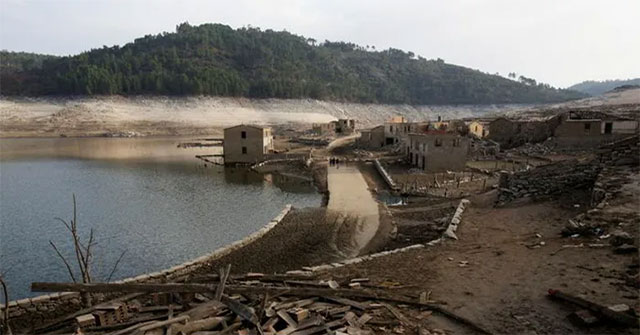
The ruins of a 'ghost' village have been exposed after a drought dried up a dam on the Spain-Portugal border, attracting curious crowds.
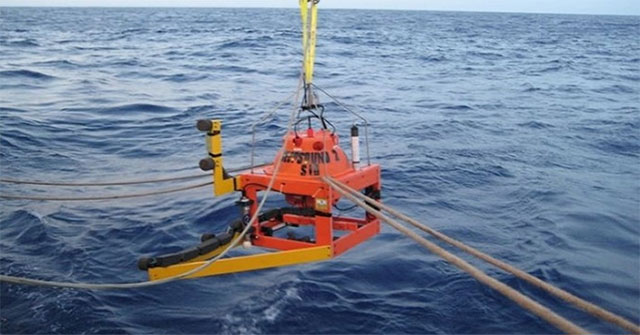
A scientific instrument collapsed into the sea, giving researchers the opportunity to accurately calculate the depth of the Challenger Deep.
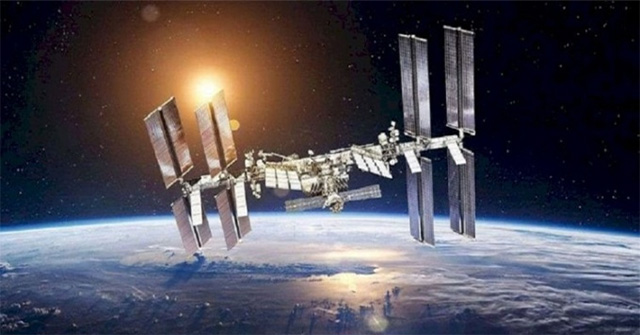
NASA will drop the International Space Station into an uninhabited sea called Point Nemo in 2031.